What is clear air turbulence that hit Air India Phuket-Delhi flight midair?
An Air India flight from Phuket to Delhi hit a brief turbulence event, causing a sudden altitude drop and minor injuries. The incident has renewed attention on clear air turbulence, an invisible hazard that can strike without warning.
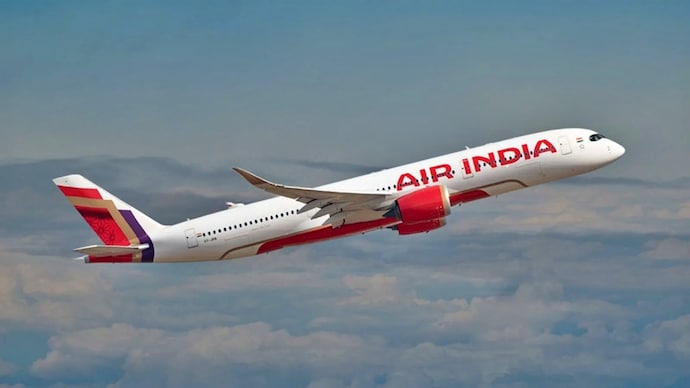
An Air India flight from Phuket to Delhi experienced a brief but sudden turbulence event on Tuesday, causing the aircraft to experience a sudden drop in altitude, leaving at least 12 passengers and crew members with minor injuries.
Flight AI2379 landed safely in Delhi, and Air India confirmed that there were no serious injuries, with those affected receiving precautionary medical evaluation.
While the airline has not specified the exact cause of the turbulence, such incidents often draw attention to one of aviation's most unpredictable hazards, clear air turbulence (CAT).
WHAT IS CLEAR AIR TURBULENCE?
Unlike conventional turbulence associated with thunderstorms or towering clouds, clear air turbulence occurs in cloud-free skies, making it virtually invisible to pilots and difficult for onboard weather radar to detect.
It typically forms at cruising altitudes between 30,000 and 40,000 feet, where aircraft encounter rapidly changing wind speeds and directions, particularly near jet streams.
These invisible pockets of unstable air are created when layers of the atmosphere move at different speeds or in different directions, generating wind shear that can suddenly jolt an aircraft.
Because there are often no visual warning signs, pilots may have little or no time to alert passengers before the aircraft encounters the turbulence.
Most cases of clear air turbulence are mild and cause little more than an uncomfortable ride. However, severe episodes can result in abrupt altitude changes, throwing unbelted passengers and cabin crew into the air.
Such incidents can lead to injuries ranging from bruises and fractures to head and spinal trauma. In rare cases, severe turbulence can also damage cabin interiors or aircraft components, although modern airliners are engineered to withstand forces far greater than those encountered during turbulence.
HOW IS THE AIR CHANGING?
Climate scientists have also warned that clear air turbulence is becoming more frequent and intense in some regions due to climate change.
Rising global temperatures are altering atmospheric wind patterns and strengthening jet streams, increasing the likelihood of turbulence along busy flight routes.
Turbulence itself rarely threatens an aircraft's structural integrity, instead, the greatest risk is to people inside the cabin.
That is why airlines recommend keeping seat belts fastened whenever seated, even when the seat belt sign is switched off.
An Air India flight from Phuket to Delhi experienced a brief but sudden turbulence event on Tuesday, causing the aircraft to experience a sudden drop in altitude, leaving at least 12 passengers and crew members with minor injuries.
Flight AI2379 landed safely in Delhi, and Air India confirmed that there were no serious injuries, with those affected receiving precautionary medical evaluation.
While the airline has not specified the exact cause of the turbulence, such incidents often draw attention to one of aviation's most unpredictable hazards, clear air turbulence (CAT).
WHAT IS CLEAR AIR TURBULENCE?
Unlike conventional turbulence associated with thunderstorms or towering clouds, clear air turbulence occurs in cloud-free skies, making it virtually invisible to pilots and difficult for onboard weather radar to detect.
It typically forms at cruising altitudes between 30,000 and 40,000 feet, where aircraft encounter rapidly changing wind speeds and directions, particularly near jet streams.
These invisible pockets of unstable air are created when layers of the atmosphere move at different speeds or in different directions, generating wind shear that can suddenly jolt an aircraft.
Because there are often no visual warning signs, pilots may have little or no time to alert passengers before the aircraft encounters the turbulence.
Most cases of clear air turbulence are mild and cause little more than an uncomfortable ride. However, severe episodes can result in abrupt altitude changes, throwing unbelted passengers and cabin crew into the air.
Such incidents can lead to injuries ranging from bruises and fractures to head and spinal trauma. In rare cases, severe turbulence can also damage cabin interiors or aircraft components, although modern airliners are engineered to withstand forces far greater than those encountered during turbulence.
HOW IS THE AIR CHANGING?
Climate scientists have also warned that clear air turbulence is becoming more frequent and intense in some regions due to climate change.
Rising global temperatures are altering atmospheric wind patterns and strengthening jet streams, increasing the likelihood of turbulence along busy flight routes.
Turbulence itself rarely threatens an aircraft's structural integrity, instead, the greatest risk is to people inside the cabin.
That is why airlines recommend keeping seat belts fastened whenever seated, even when the seat belt sign is switched off.
An Air India flight from Phuket to Delhi experienced a brief but sudden turbulence event on Tuesday, causing the aircraft to experience a sudden drop in altitude, leaving at least 12 passengers and crew members with minor injuries.
Flight AI2379 landed safely in Delhi, and Air India confirmed that there were no serious injuries, with those affected receiving precautionary medical evaluation.
While the airline has not specified the exact cause of the turbulence, such incidents often draw attention to one of aviation's most unpredictable hazards, clear air turbulence (CAT).
WHAT IS CLEAR AIR TURBULENCE?
Unlike conventional turbulence associated with thunderstorms or towering clouds, clear air turbulence occurs in cloud-free skies, making it virtually invisible to pilots and difficult for onboard weather radar to detect.
It typically forms at cruising altitudes between 30,000 and 40,000 feet, where aircraft encounter rapidly changing wind speeds and directions, particularly near jet streams.
These invisible pockets of unstable air are created when layers of the atmosphere move at different speeds or in different directions, generating wind shear that can suddenly jolt an aircraft.
Because there are often no visual warning signs, pilots may have little or no time to alert passengers before the aircraft encounters the turbulence.
Most cases of clear air turbulence are mild and cause little more than an uncomfortable ride. However, severe episodes can result in abrupt altitude changes, throwing unbelted passengers and cabin crew into the air.
Such incidents can lead to injuries ranging from bruises and fractures to head and spinal trauma. In rare cases, severe turbulence can also damage cabin interiors or aircraft components, although modern airliners are engineered to withstand forces far greater than those encountered during turbulence.
HOW IS THE AIR CHANGING?
Climate scientists have also warned that clear air turbulence is becoming more frequent and intense in some regions due to climate change.
Rising global temperatures are altering atmospheric wind patterns and strengthening jet streams, increasing the likelihood of turbulence along busy flight routes.
Turbulence itself rarely threatens an aircraft's structural integrity, instead, the greatest risk is to people inside the cabin.
That is why airlines recommend keeping seat belts fastened whenever seated, even when the seat belt sign is switched off.

