Why thorium is India's ultimate weapon for clean and self-sufficient energy
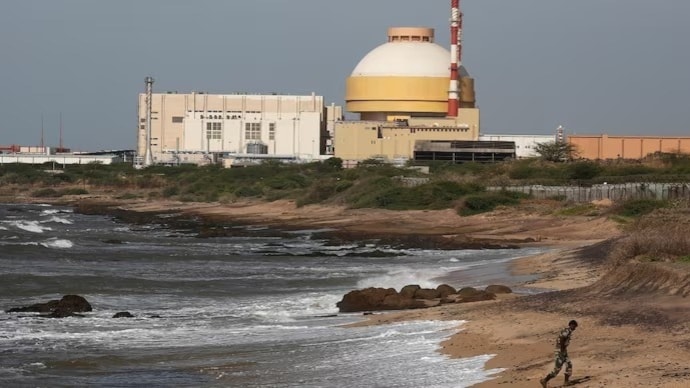
India's Prototype Fast Breeder Reactor at Kalpakkam attained first criticality on 6 April 2026. The milestone moves the country into stage two of its long-planned thorium-based nuclear programme.
Thorium is back in the headlines. According to recent reports, the government is weighing a policy shift that could allow private companies a role in India's tightly controlled thorium sector, with a draft policy expected after consultations between key ministries.
Nothing has been enacted yet, and the country's monazite sands remain firmly in state hands.
But the speculation itself is telling. It signals how central this silvery, weakly radioactive metal has become to India's energy future.
Because buried in the beach sands of Kerala, Tamil Nadu, Odisha and Andhra Pradesh lies an answer to a question India has asked for 70 years. How does a nation power itself for centuries without depending on anyone else?
WHY IS THORIUM SO IMPORTANT FOR INDIA?
The answer is geology. India holds less than two per cent of the world's uranium, the fuel that runs conventional nuclear plants, and imports much of what it burns.
But it possesses roughly a quarter of the world's known thorium, an estimated 8,50,000 tonnes of the metal locked inside about 12 million tonnes of monazite, a phosphate mineral that washes up along its coasts.
That single fact changes everything. Indian estimates suggest these reserves could support hundreds of gigawatts of electricity for centuries.
For a country chasing 100 gigawatts of nuclear capacity by 2047 and net-zero emissions by 2070, thorium is not just a resource. It is a destiny.
CAN THORIUM BE USED DIRECTLY AS NUCLEAR FUEL?
No. And this is the catch that has shaped India's entire nuclear strategy.
Uranium-235 is fissile. Strike it with a slow neutron, and it splits, releasing energy and more neutrons that keep the chain reaction alive. Thorium-232 is fertile, not fissile. It cannot split on its own. It is firewood that refuses to catch a spark.
But feed it a neutron and something remarkable happens. Thorium-232 absorbs the neutron and becomes thorium-233, which quickly decays into protactinium-233, which then decays into uranium-233.
And uranium-233 is a superb nuclear fuel. Inside a reactor, it releases enough neutrons to breed its own replacement from fresh thorium. The fire, once lit, feeds itself.
WHAT IS INDIA'S THREE-STAGE NUCLEAR PROGRAMME?
Physicist Homi J. Bhabha saw both the problem and the solution in the 1950s. Since thorium needs a neutron source to wake it up, India would build one, step by step.
Stage one uses Pressurised Heavy Water Reactors running on natural uranium. They generate electricity and, as a byproduct, plutonium. This fleet has powered India for decades.
Stage two uses fast breeder reactors fuelled by that plutonium. They produce more fissile material than they consume, and their thorium blankets convert thorium-232 into uranium-233. On April 6, 2026, at 8:25 pm, the 500 MWe Prototype Fast Breeder Reactor at Kalpakkam in Tamil Nadu attained first criticality, formally carrying India into this second stage.
Stage three is the destination: reactors such as the 300 MWe Advanced Heavy Water Reactor designed by the Bhabha Atomic Research Centre, running primarily on thorium and uranium-233, powered almost entirely by Indian sand.
IS THORIUM SAFER AND CLEANER THAN URANIUM?
In several ways, yes. Thorium dioxide melts at around 3,300 degrees Celsius, roughly 500 degrees higher than uranium dioxide, giving reactors a wider safety margin against meltdown. It conducts heat better and stays chemically stable in storage.
The waste story is cleaner too. Uranium fuel breeds heavy elements like plutonium, americium and curium that remain dangerous for tens of thousands of years.
Thorium, being lighter, produces far fewer of them. Its waste decays to safe levels in centuries, not millennia.
There is even a built-in burglar alarm. The thorium cycle produces traces of uranium-232, whose decay products emit fierce gamma radiation, making the fuel practically impossible to steal or divert for weapons without heavy robotic shielding.
WHAT CHALLENGES REMAIN ON THE ROAD TO THORIUM POWER?
The same gamma radiation that deters thieves also torments engineers, forcing fuel to be fabricated and reprocessed inside costly, remotely operated hot cells.
Protactinium-233 lingers for about 27 days before becoming uranium-233, and if it swallows a stray neutron during that wait, the fuel is wasted. And thorium always needs a starter, plutonium or enriched uranium, which is why the breeder stage cannot be skipped.
None of these hurdles is a wall. Each is an engineering problem, and the glowing core at Kalpakkam is proof that India is solving them, one neutron at a time.
Whether or not private players eventually join the effort, the direction is set. The sands India has guarded for 70 years are being readied to power its next 100.
Thorium is back in the headlines. According to recent reports, the government is weighing a policy shift that could allow private companies a role in India's tightly controlled thorium sector, with a draft policy expected after consultations between key ministries.
Nothing has been enacted yet, and the country's monazite sands remain firmly in state hands.
But the speculation itself is telling. It signals how central this silvery, weakly radioactive metal has become to India's energy future.
Because buried in the beach sands of Kerala, Tamil Nadu, Odisha and Andhra Pradesh lies an answer to a question India has asked for 70 years. How does a nation power itself for centuries without depending on anyone else?
WHY IS THORIUM SO IMPORTANT FOR INDIA?
The answer is geology. India holds less than two per cent of the world's uranium, the fuel that runs conventional nuclear plants, and imports much of what it burns.
But it possesses roughly a quarter of the world's known thorium, an estimated 8,50,000 tonnes of the metal locked inside about 12 million tonnes of monazite, a phosphate mineral that washes up along its coasts.
That single fact changes everything. Indian estimates suggest these reserves could support hundreds of gigawatts of electricity for centuries.
For a country chasing 100 gigawatts of nuclear capacity by 2047 and net-zero emissions by 2070, thorium is not just a resource. It is a destiny.
CAN THORIUM BE USED DIRECTLY AS NUCLEAR FUEL?
No. And this is the catch that has shaped India's entire nuclear strategy.
Uranium-235 is fissile. Strike it with a slow neutron, and it splits, releasing energy and more neutrons that keep the chain reaction alive. Thorium-232 is fertile, not fissile. It cannot split on its own. It is firewood that refuses to catch a spark.
But feed it a neutron and something remarkable happens. Thorium-232 absorbs the neutron and becomes thorium-233, which quickly decays into protactinium-233, which then decays into uranium-233.
And uranium-233 is a superb nuclear fuel. Inside a reactor, it releases enough neutrons to breed its own replacement from fresh thorium. The fire, once lit, feeds itself.
WHAT IS INDIA'S THREE-STAGE NUCLEAR PROGRAMME?
Physicist Homi J. Bhabha saw both the problem and the solution in the 1950s. Since thorium needs a neutron source to wake it up, India would build one, step by step.
Stage one uses Pressurised Heavy Water Reactors running on natural uranium. They generate electricity and, as a byproduct, plutonium. This fleet has powered India for decades.
Stage two uses fast breeder reactors fuelled by that plutonium. They produce more fissile material than they consume, and their thorium blankets convert thorium-232 into uranium-233. On April 6, 2026, at 8:25 pm, the 500 MWe Prototype Fast Breeder Reactor at Kalpakkam in Tamil Nadu attained first criticality, formally carrying India into this second stage.
Stage three is the destination: reactors such as the 300 MWe Advanced Heavy Water Reactor designed by the Bhabha Atomic Research Centre, running primarily on thorium and uranium-233, powered almost entirely by Indian sand.
IS THORIUM SAFER AND CLEANER THAN URANIUM?
In several ways, yes. Thorium dioxide melts at around 3,300 degrees Celsius, roughly 500 degrees higher than uranium dioxide, giving reactors a wider safety margin against meltdown. It conducts heat better and stays chemically stable in storage.
The waste story is cleaner too. Uranium fuel breeds heavy elements like plutonium, americium and curium that remain dangerous for tens of thousands of years.
Thorium, being lighter, produces far fewer of them. Its waste decays to safe levels in centuries, not millennia.
There is even a built-in burglar alarm. The thorium cycle produces traces of uranium-232, whose decay products emit fierce gamma radiation, making the fuel practically impossible to steal or divert for weapons without heavy robotic shielding.
WHAT CHALLENGES REMAIN ON THE ROAD TO THORIUM POWER?
The same gamma radiation that deters thieves also torments engineers, forcing fuel to be fabricated and reprocessed inside costly, remotely operated hot cells.
Protactinium-233 lingers for about 27 days before becoming uranium-233, and if it swallows a stray neutron during that wait, the fuel is wasted. And thorium always needs a starter, plutonium or enriched uranium, which is why the breeder stage cannot be skipped.
None of these hurdles is a wall. Each is an engineering problem, and the glowing core at Kalpakkam is proof that India is solving them, one neutron at a time.
Whether or not private players eventually join the effort, the direction is set. The sands India has guarded for 70 years are being readied to power its next 100.
Thorium is back in the headlines. According to recent reports, the government is weighing a policy shift that could allow private companies a role in India's tightly controlled thorium sector, with a draft policy expected after consultations between key ministries.
Nothing has been enacted yet, and the country's monazite sands remain firmly in state hands.
But the speculation itself is telling. It signals how central this silvery, weakly radioactive metal has become to India's energy future.
Because buried in the beach sands of Kerala, Tamil Nadu, Odisha and Andhra Pradesh lies an answer to a question India has asked for 70 years. How does a nation power itself for centuries without depending on anyone else?
WHY IS THORIUM SO IMPORTANT FOR INDIA?
The answer is geology. India holds less than two per cent of the world's uranium, the fuel that runs conventional nuclear plants, and imports much of what it burns.
But it possesses roughly a quarter of the world's known thorium, an estimated 8,50,000 tonnes of the metal locked inside about 12 million tonnes of monazite, a phosphate mineral that washes up along its coasts.
That single fact changes everything. Indian estimates suggest these reserves could support hundreds of gigawatts of electricity for centuries.
For a country chasing 100 gigawatts of nuclear capacity by 2047 and net-zero emissions by 2070, thorium is not just a resource. It is a destiny.
CAN THORIUM BE USED DIRECTLY AS NUCLEAR FUEL?
No. And this is the catch that has shaped India's entire nuclear strategy.
Uranium-235 is fissile. Strike it with a slow neutron, and it splits, releasing energy and more neutrons that keep the chain reaction alive. Thorium-232 is fertile, not fissile. It cannot split on its own. It is firewood that refuses to catch a spark.
But feed it a neutron and something remarkable happens. Thorium-232 absorbs the neutron and becomes thorium-233, which quickly decays into protactinium-233, which then decays into uranium-233.
And uranium-233 is a superb nuclear fuel. Inside a reactor, it releases enough neutrons to breed its own replacement from fresh thorium. The fire, once lit, feeds itself.
WHAT IS INDIA'S THREE-STAGE NUCLEAR PROGRAMME?
Physicist Homi J. Bhabha saw both the problem and the solution in the 1950s. Since thorium needs a neutron source to wake it up, India would build one, step by step.
Stage one uses Pressurised Heavy Water Reactors running on natural uranium. They generate electricity and, as a byproduct, plutonium. This fleet has powered India for decades.
Stage two uses fast breeder reactors fuelled by that plutonium. They produce more fissile material than they consume, and their thorium blankets convert thorium-232 into uranium-233. On April 6, 2026, at 8:25 pm, the 500 MWe Prototype Fast Breeder Reactor at Kalpakkam in Tamil Nadu attained first criticality, formally carrying India into this second stage.
Stage three is the destination: reactors such as the 300 MWe Advanced Heavy Water Reactor designed by the Bhabha Atomic Research Centre, running primarily on thorium and uranium-233, powered almost entirely by Indian sand.
IS THORIUM SAFER AND CLEANER THAN URANIUM?
In several ways, yes. Thorium dioxide melts at around 3,300 degrees Celsius, roughly 500 degrees higher than uranium dioxide, giving reactors a wider safety margin against meltdown. It conducts heat better and stays chemically stable in storage.
The waste story is cleaner too. Uranium fuel breeds heavy elements like plutonium, americium and curium that remain dangerous for tens of thousands of years.
Thorium, being lighter, produces far fewer of them. Its waste decays to safe levels in centuries, not millennia.
There is even a built-in burglar alarm. The thorium cycle produces traces of uranium-232, whose decay products emit fierce gamma radiation, making the fuel practically impossible to steal or divert for weapons without heavy robotic shielding.
WHAT CHALLENGES REMAIN ON THE ROAD TO THORIUM POWER?
The same gamma radiation that deters thieves also torments engineers, forcing fuel to be fabricated and reprocessed inside costly, remotely operated hot cells.
Protactinium-233 lingers for about 27 days before becoming uranium-233, and if it swallows a stray neutron during that wait, the fuel is wasted. And thorium always needs a starter, plutonium or enriched uranium, which is why the breeder stage cannot be skipped.
None of these hurdles is a wall. Each is an engineering problem, and the glowing core at Kalpakkam is proof that India is solving them, one neutron at a time.
Whether or not private players eventually join the effort, the direction is set. The sands India has guarded for 70 years are being readied to power its next 100.

