Sports ministry introduces athletes to Japanese food to acclimatise for Asian Games
Indian athletes training at the SAI Southern Centre in Bengaluru have begun eating traditional Japanese dishes as part of a planned dietary transition ahead of the Asian Games in Aichi-Nagoya. The initiative is aimed at helping athletes adapt to local food, avoid nutrition-related issues, and maintain peak performance during the Games.
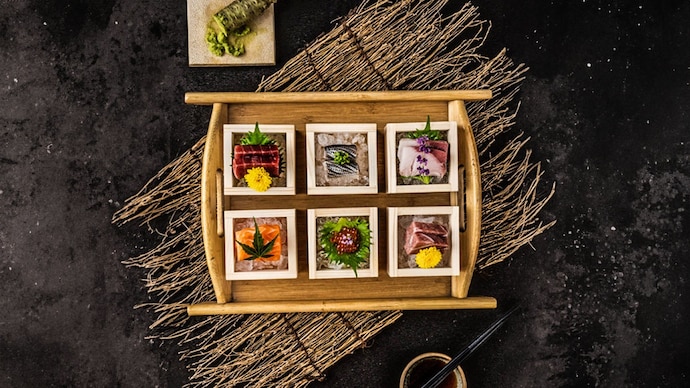
Indian athletes preparing for the upcoming Asian Games in Aichi-Nagoya are getting an early taste of Japan, literally. To help athletes adjust to local dietary options well before arriving in Japan, the Sports Authority of India (SAI) Southern Centre in Bengaluru has added traditional Japanese dishes to its daily menu.
The initiative aims to prevent dietary issues and energy drops during competition, an issue several Indian athletes faced at previous international events. The menu now features items like Avocado and Cucumber Uramaki, Charred Hamachi, Shoyu Chicken Broth, Udon Noodles, and traditional rolls, mimicking an izakaya-style spread.
The strategy comes after athletes struggled with continental and local food options at the Tokyo 2020 and Paris 2024 Games. During the Paris Paralympics, support staff even had to ship 1,800 energy bars overseas to ensure athletes met their daily caloric requirements.
"The primary objective is to make sure our athletes do not face difficulty with food in Japan or have their performance suffer because of a sudden change in diet," said V Jeyaraj, Executive Chef at SAI NSSC.
Jeyaraj, who previously worked with the military and in high-end international kitchens, said the team is aiming to match around 90% of the food profile athletes will encounter at the Games Village.
GRADUAL MENU TRANSITION
Switching from daily staples like dal, rice, and roti to foreign cuisine required a phased approach:
High Tea Launch: Commenced with Japanese desserts and rolls to introduce basic flavors.
Appetizers: Added small bites prior to regular lunch and dinner service.
Main Courses & Live Counters: Expanded to full Sushi, Sashimi, and dedicated Ramen counters.
SAI previously used a similar dietary transition when the Indian hockey team toured Chile last year.
Food Safety and Standards
The meal programme operates under strict food safety guidelines at the centre’s FSSAI five-star rated facility.
The campus facility is monitored against 97 parameters, covering food storage, cooking methods, ingredient segregation, and hygiene to ensure gut health and nutrition targets are maintained throughout the acclimatisation period.
Indian athletes preparing for the upcoming Asian Games in Aichi-Nagoya are getting an early taste of Japan, literally. To help athletes adjust to local dietary options well before arriving in Japan, the Sports Authority of India (SAI) Southern Centre in Bengaluru has added traditional Japanese dishes to its daily menu.
The initiative aims to prevent dietary issues and energy drops during competition, an issue several Indian athletes faced at previous international events. The menu now features items like Avocado and Cucumber Uramaki, Charred Hamachi, Shoyu Chicken Broth, Udon Noodles, and traditional rolls, mimicking an izakaya-style spread.
The strategy comes after athletes struggled with continental and local food options at the Tokyo 2020 and Paris 2024 Games. During the Paris Paralympics, support staff even had to ship 1,800 energy bars overseas to ensure athletes met their daily caloric requirements.
"The primary objective is to make sure our athletes do not face difficulty with food in Japan or have their performance suffer because of a sudden change in diet," said V Jeyaraj, Executive Chef at SAI NSSC.
Jeyaraj, who previously worked with the military and in high-end international kitchens, said the team is aiming to match around 90% of the food profile athletes will encounter at the Games Village.
GRADUAL MENU TRANSITION
Switching from daily staples like dal, rice, and roti to foreign cuisine required a phased approach:
High Tea Launch: Commenced with Japanese desserts and rolls to introduce basic flavors.
Appetizers: Added small bites prior to regular lunch and dinner service.
Main Courses & Live Counters: Expanded to full Sushi, Sashimi, and dedicated Ramen counters.
SAI previously used a similar dietary transition when the Indian hockey team toured Chile last year.
Food Safety and Standards
The meal programme operates under strict food safety guidelines at the centre’s FSSAI five-star rated facility.
The campus facility is monitored against 97 parameters, covering food storage, cooking methods, ingredient segregation, and hygiene to ensure gut health and nutrition targets are maintained throughout the acclimatisation period.
Indian athletes preparing for the upcoming Asian Games in Aichi-Nagoya are getting an early taste of Japan, literally. To help athletes adjust to local dietary options well before arriving in Japan, the Sports Authority of India (SAI) Southern Centre in Bengaluru has added traditional Japanese dishes to its daily menu.
The initiative aims to prevent dietary issues and energy drops during competition, an issue several Indian athletes faced at previous international events. The menu now features items like Avocado and Cucumber Uramaki, Charred Hamachi, Shoyu Chicken Broth, Udon Noodles, and traditional rolls, mimicking an izakaya-style spread.
The strategy comes after athletes struggled with continental and local food options at the Tokyo 2020 and Paris 2024 Games. During the Paris Paralympics, support staff even had to ship 1,800 energy bars overseas to ensure athletes met their daily caloric requirements.
"The primary objective is to make sure our athletes do not face difficulty with food in Japan or have their performance suffer because of a sudden change in diet," said V Jeyaraj, Executive Chef at SAI NSSC.
Jeyaraj, who previously worked with the military and in high-end international kitchens, said the team is aiming to match around 90% of the food profile athletes will encounter at the Games Village.
GRADUAL MENU TRANSITION
Switching from daily staples like dal, rice, and roti to foreign cuisine required a phased approach:
High Tea Launch: Commenced with Japanese desserts and rolls to introduce basic flavors.
Appetizers: Added small bites prior to regular lunch and dinner service.
Main Courses & Live Counters: Expanded to full Sushi, Sashimi, and dedicated Ramen counters.
SAI previously used a similar dietary transition when the Indian hockey team toured Chile last year.
Food Safety and Standards
The meal programme operates under strict food safety guidelines at the centre’s FSSAI five-star rated facility.
The campus facility is monitored against 97 parameters, covering food storage, cooking methods, ingredient segregation, and hygiene to ensure gut health and nutrition targets are maintained throughout the acclimatisation period.

