Apple lawyer mixed up Wang and Chang, OpenAI says lawsuit has no merit
OpenAI is facing a lawsuit from Apple for allegedly misusing trade secrets. Now, the AI startup has claimed that there is no evidence of Apple's case having merit. In addition, a report says that an email from an Apple lawyer stopped talks between the two before the lawsuit.
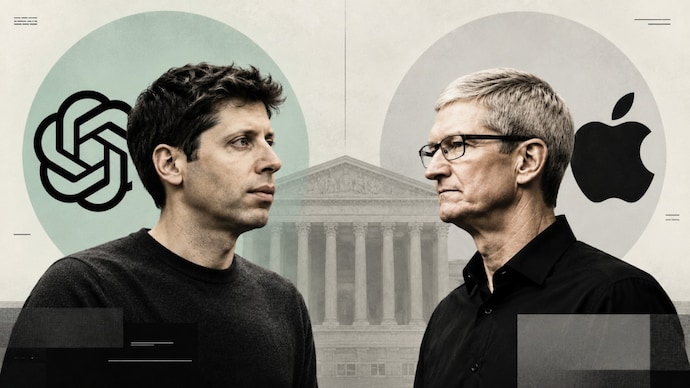
Apple and OpenAI are set for a legal battle, but it seems that things could have been avoided if not for a lawyer making mistake with emails. Apple is suing OpenAI, accusing the AI startup of stealing trade secrets from its former employees for its hardware devices. Now, a report says that OpenAI stopped talks with Apple after the latter’s lawyer mixed up the names of two OpenAI employees – Wang and Chang.
In the filings, Apple says that OpenAI “never responded” to its concerns regarding this issue. The Cupertino giant had requested discussions with OpenAI. However, a report from NBC News found that OpenAI did respond to Apple’s initial outreach in February.
The report adds that the discussions came to an abrupt end in February this year, after a lawyer representing Apple mixed up the names and email addresses of two OpenAI employees with the surnames Wang and Chang.
To give you some context, Apple alleges that OpenAI and its former staff misused confidential hardware information to speed up its consumer device development. OpenAI has been working on hardware devices for some time now, and it is expected to launch a smart speaker as early as next year.
OpenAI says Apple lawsuit has no merit
OpenAI, which initially dismissed all allegations, has now issued another statement, claiming that there is no evidence to give merit to Apple’s case.
In a statement to Bloomberg, “While we take these allegations seriously, we’re not aware of any evidence that this complaint has merit,” OpenAI said. The AI startup added that it believed in “fair competition and allowing people the freedom to work wherever they choose.”
Keep in mind that in the lawsuit Apple has named Chang Liu, a former senior system electrical engineer, and Tang Yew Tan, its former vice president of product design for the iPhone and Apple Watch, as defendants. According to the complaint, Liu failed to return a company-issued work laptop and later used an authentication bug to access Apple’s internal network, downloading what Apple described as “dozens of Apple’s confidential hardware-related files.”
Apple also alleged that Tang, now OpenAI’s hardware chief, “methodically” used Apple’s confidential information to benefit OpenAI by emailing himself material about Apple suppliers and internal industry summaries before leaving the company.
Apple slams OpenAI
The Cupertino giant claims that Apple OpenAI designed a process to help Apple employees evade security procedures, and alleged that a former iPhone engineer who left for OpenAI earlier this year hacked into Apple’s systems to obtain engineering presentations and other information.
Apart from accusing OpenAI of malpractice when it comes to trade secrets, Apple claims that the AI startup’s hardware team was built on a weak foundation and was “rotten to its core.”
The company also said that more than 400 former Apple employees now work for OpenAI. “That OpenAI now employs people who were once entrusted with Apple’s trade secrets does not entitle OpenAI to use that information to jumpstart its hardware efforts,” Apple wrote in its complaint.
Keep in mind that last year, OpenAI spent $6.5 billion to acquire hardware start-up io Products, founded by former Apple designer Jony Ive. Apple named io Products as a defendant in the lawsuit, though Ive is not named in the case.
Earlier this year, reports had surfaced that OpenAI was exploring legal options against Apple over its deal to have Siri use ChatGPT for complex queries on iPhones.
Apple and OpenAI are set for a legal battle, but it seems that things could have been avoided if not for a lawyer making mistake with emails. Apple is suing OpenAI, accusing the AI startup of stealing trade secrets from its former employees for its hardware devices. Now, a report says that OpenAI stopped talks with Apple after the latter’s lawyer mixed up the names of two OpenAI employees – Wang and Chang.
In the filings, Apple says that OpenAI “never responded” to its concerns regarding this issue. The Cupertino giant had requested discussions with OpenAI. However, a report from NBC News found that OpenAI did respond to Apple’s initial outreach in February.
The report adds that the discussions came to an abrupt end in February this year, after a lawyer representing Apple mixed up the names and email addresses of two OpenAI employees with the surnames Wang and Chang.
To give you some context, Apple alleges that OpenAI and its former staff misused confidential hardware information to speed up its consumer device development. OpenAI has been working on hardware devices for some time now, and it is expected to launch a smart speaker as early as next year.
OpenAI says Apple lawsuit has no merit
OpenAI, which initially dismissed all allegations, has now issued another statement, claiming that there is no evidence to give merit to Apple’s case.
In a statement to Bloomberg, “While we take these allegations seriously, we’re not aware of any evidence that this complaint has merit,” OpenAI said. The AI startup added that it believed in “fair competition and allowing people the freedom to work wherever they choose.”
Keep in mind that in the lawsuit Apple has named Chang Liu, a former senior system electrical engineer, and Tang Yew Tan, its former vice president of product design for the iPhone and Apple Watch, as defendants. According to the complaint, Liu failed to return a company-issued work laptop and later used an authentication bug to access Apple’s internal network, downloading what Apple described as “dozens of Apple’s confidential hardware-related files.”
Apple also alleged that Tang, now OpenAI’s hardware chief, “methodically” used Apple’s confidential information to benefit OpenAI by emailing himself material about Apple suppliers and internal industry summaries before leaving the company.
Apple slams OpenAI
The Cupertino giant claims that Apple OpenAI designed a process to help Apple employees evade security procedures, and alleged that a former iPhone engineer who left for OpenAI earlier this year hacked into Apple’s systems to obtain engineering presentations and other information.
Apart from accusing OpenAI of malpractice when it comes to trade secrets, Apple claims that the AI startup’s hardware team was built on a weak foundation and was “rotten to its core.”
The company also said that more than 400 former Apple employees now work for OpenAI. “That OpenAI now employs people who were once entrusted with Apple’s trade secrets does not entitle OpenAI to use that information to jumpstart its hardware efforts,” Apple wrote in its complaint.
Keep in mind that last year, OpenAI spent $6.5 billion to acquire hardware start-up io Products, founded by former Apple designer Jony Ive. Apple named io Products as a defendant in the lawsuit, though Ive is not named in the case.
Earlier this year, reports had surfaced that OpenAI was exploring legal options against Apple over its deal to have Siri use ChatGPT for complex queries on iPhones.

