Iran, Oman discuss shipping through Hormuz as threats test fragile interim war deal
Iran and Oman agreed to continue technical and political talks on ensuring safe shipping through the Strait of Hormuz as recent attacks and US retaliation strained a fragile interim truce.
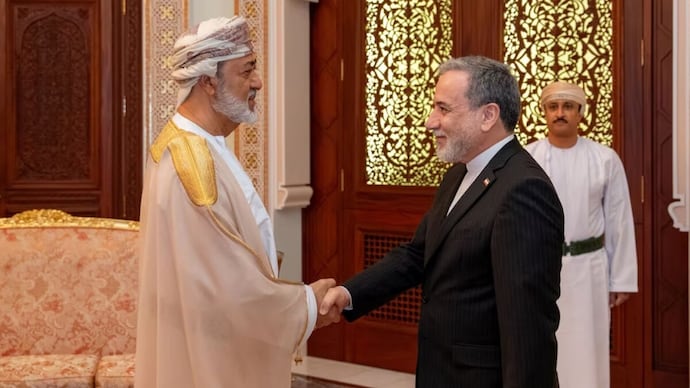
Iran and Oman on Saturday discussed arrangements for the safe passage of ships through the Strait of Hormuz after days of Iranian attacks on commercial vessels and US retaliation tested a fragile interim deal aimed at ending the war.
Iranian Foreign Minister Abbas Araghchi met Omani Foreign Minister Sayyid Badr Albusaidi in Muscat to discuss what Tehran described as "appropriate mechanisms for ensuring the safe passage of ships" through the strategic waterway. According to a statement from Iran's foreign ministry, the talks focused on maintaining shipping under the interim agreement.
Oman's state news agency later said negotiators from both countries agreed to continue discussions on the Strait of Hormuz "at the technical and political levels."
The meeting came as Washington pressed Tehran to publicly declare that the Strait of Hormuz would remain open and that ships would not face attacks. Senior US officials said on Friday that the United States wants Iran to state publicly that all shipping lanes will remain open and that no tolls will be imposed on vessels transiting the waterway.
CNN reported on Saturday that Oman had presented a draft proposal for navigation through the strait. According to the report, the proposal would allow free navigation through the southern corridor in Omani territorial waters, while vessels using the northern corridor through Iranian territorial waters would require prior approval from Iran but would not pay tolls.
The latest diplomatic effort followed several days of escalating tensions in the Gulf. Iran attacked ships in the Strait of Hormuz, prompting US retaliation and raising concerns about the durability of the interim agreement designed to halt the conflict.
No attacks were reported on Friday or Saturday. A senior Iranian source told Reuters that Iran, the United States, Qatar and Pakistan had agreed to negotiate through a call that mediators were trying to arrange for Saturday while Araghchi was in Oman. It was not immediately clear whether those efforts succeeded.
Oman continues to mediate efforts to end the war that has destabilised the Gulf since the United States and Israel launched airstrikes on Iran on February 28.
The meeting also came as Iran's new supreme leader, Mojtaba Khamenei, issued his first public statement since the funeral of his father, Ayatollah Ali Khamenei, who was killed in the opening strikes of the war on February 28. Still unseen since the conflict began, Mojtaba Khamenei said Iranians would avenge the killing, declaring that such revenge "is the will of our nation and must certainly be carried out."
Araghchi also accused Washington of violating the interim agreement after the United States ended waivers that had allowed Iran to sell crude oil on the open market in US dollars. Washington withdrew the waivers in response to the attacks on ships in the Strait of Hormuz.
"Reality check: There can only be mutual compliance," Araghchi wrote on X.
US President Donald Trump said he was responding to threats "to assassinate, or attempt to assassinate" him. In a social media post overnight, Trump wrote that a thousand "missiles are Locked and Loaded and aimed at the Islamic Republic of Iran, with thousands more to immediately follow, should the Iranian Government act on its threat."
During Ayatollah Ali Khamenei's funeral, mourners carried posters and banners calling for Trump and Israeli Prime Minister Benjamin Netanyahu to be killed.
Trump said on Friday that the United States and Iran had agreed to continue talks despite this week's escalation in hostilities. He also declared an end to the ceasefire between the two countries but said negotiations would continue.
Iran and Oman on Saturday discussed arrangements for the safe passage of ships through the Strait of Hormuz after days of Iranian attacks on commercial vessels and US retaliation tested a fragile interim deal aimed at ending the war.
Iranian Foreign Minister Abbas Araghchi met Omani Foreign Minister Sayyid Badr Albusaidi in Muscat to discuss what Tehran described as "appropriate mechanisms for ensuring the safe passage of ships" through the strategic waterway. According to a statement from Iran's foreign ministry, the talks focused on maintaining shipping under the interim agreement.
Oman's state news agency later said negotiators from both countries agreed to continue discussions on the Strait of Hormuz "at the technical and political levels."
The meeting came as Washington pressed Tehran to publicly declare that the Strait of Hormuz would remain open and that ships would not face attacks. Senior US officials said on Friday that the United States wants Iran to state publicly that all shipping lanes will remain open and that no tolls will be imposed on vessels transiting the waterway.
CNN reported on Saturday that Oman had presented a draft proposal for navigation through the strait. According to the report, the proposal would allow free navigation through the southern corridor in Omani territorial waters, while vessels using the northern corridor through Iranian territorial waters would require prior approval from Iran but would not pay tolls.
The latest diplomatic effort followed several days of escalating tensions in the Gulf. Iran attacked ships in the Strait of Hormuz, prompting US retaliation and raising concerns about the durability of the interim agreement designed to halt the conflict.
No attacks were reported on Friday or Saturday. A senior Iranian source told Reuters that Iran, the United States, Qatar and Pakistan had agreed to negotiate through a call that mediators were trying to arrange for Saturday while Araghchi was in Oman. It was not immediately clear whether those efforts succeeded.
Oman continues to mediate efforts to end the war that has destabilised the Gulf since the United States and Israel launched airstrikes on Iran on February 28.
The meeting also came as Iran's new supreme leader, Mojtaba Khamenei, issued his first public statement since the funeral of his father, Ayatollah Ali Khamenei, who was killed in the opening strikes of the war on February 28. Still unseen since the conflict began, Mojtaba Khamenei said Iranians would avenge the killing, declaring that such revenge "is the will of our nation and must certainly be carried out."
Araghchi also accused Washington of violating the interim agreement after the United States ended waivers that had allowed Iran to sell crude oil on the open market in US dollars. Washington withdrew the waivers in response to the attacks on ships in the Strait of Hormuz.
"Reality check: There can only be mutual compliance," Araghchi wrote on X.
US President Donald Trump said he was responding to threats "to assassinate, or attempt to assassinate" him. In a social media post overnight, Trump wrote that a thousand "missiles are Locked and Loaded and aimed at the Islamic Republic of Iran, with thousands more to immediately follow, should the Iranian Government act on its threat."
During Ayatollah Ali Khamenei's funeral, mourners carried posters and banners calling for Trump and Israeli Prime Minister Benjamin Netanyahu to be killed.
Trump said on Friday that the United States and Iran had agreed to continue talks despite this week's escalation in hostilities. He also declared an end to the ceasefire between the two countries but said negotiations would continue.

