
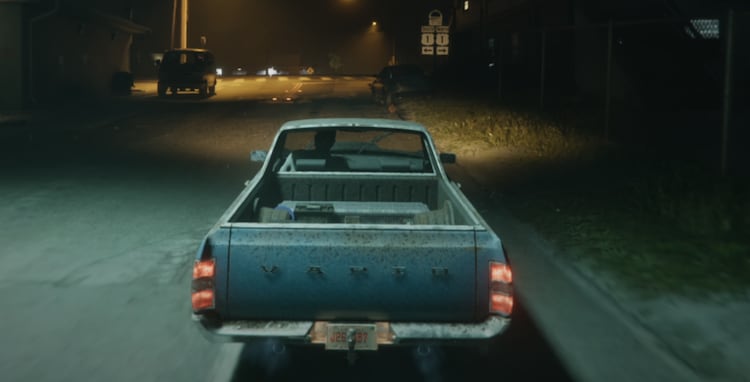
Hot-wiring to refuelling: How Rockstar changed the way we drive in GTA 6

After driving through Los Santos in GTA 5, we move to the iconic Vice City in GTA 5, where Rockstar has reworked the driving experience with better physics, added realism and greater attention to detail.
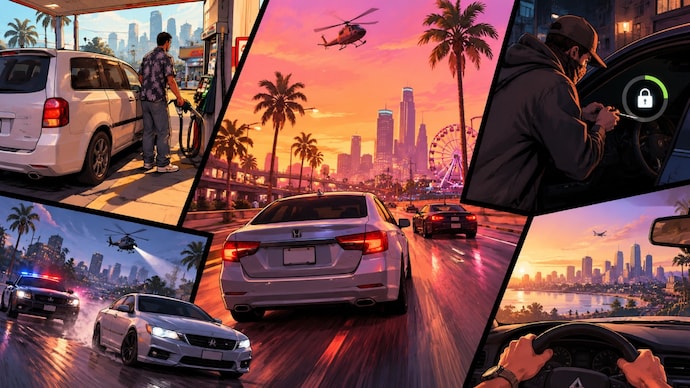
From Los Santos to Vice City, GTA 6 is changing gears with more realistic driving physics, detailed vehicle mechanics and a whole new stealing experience.
New Delhi,Nov 20, 2026 11:14 IST Last UpdatedNov 20, 2026 11:14 IST
 Published by
Last UpdatedNov 20, 2026 11:14 IST Published bySoumya
Nov 20, 2026 11:11 ISTFor more than a decade, driving around Los Santos in Grand Theft Auto 5 has been as much a part of the experience as completing missions, escaping the police and causing mayhem. Whether it was throwing a supercar into a corner, drifting through traffic or taking a stolen motorcycle off-road, GTA 5 made driving accessible, entertaining and, at times, hilariously unrealistic.
With Grand Theft Auto 6, Rockstar Games takes players back to Vice City, but the approach to driving has evolved considerably. The much-awaited GTA 6 retains the pick-up-and-drive simplicity of its predecessor while introducing a more detailed driving experience, with greater emphasis on vehicle physics, weight transfer, damage and the differences between individual vehicles.
Rockstar appears to have found a middle ground between the relatively realistic vehicle dynamics of GTA 4 and the more arcade-oriented handling of GTA 5. The result is a driving experience that promises to make even everyday activities, such as stealing a car and navigating through traffic, more engaging.
Here is how driving in GTA 6 has changed compared to GTA 5.
Stealing a car is no longer as straightforward
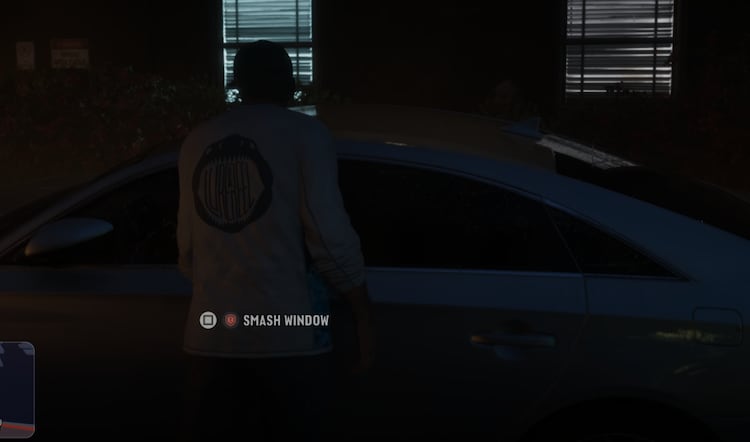
Stealing vehicles has always been central to the Grand Theft Auto experience. However, GTA 6 adds several layers to what was previously a relatively simple process. In GTA 5, players could generally break into a parked vehicle by smashing its window or pull the driver out of an occupied car. GTA 6 introduces additional ways of accessing locked vehicles. Players can use a slim jim to unlock certain cars without smashing their windows, although the process takes time and could attract unwanted attention.
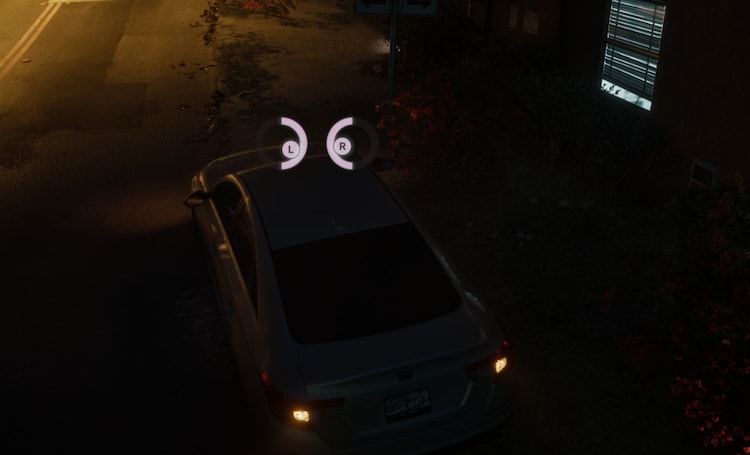
Vehicle security systems also play a bigger role. Older cars are relatively easy to hotwire, while newer vehicles with keyless entry and push-button start systems present a different challenge. These advanced vehicles cannot simply be hotwired. Players will need to clone their keys to gain access, although key cloning is not available at the beginning of the game. Smashing a window remains an option, but getting inside does not necessarily mean being able to start the vehicle.
Motorcycles, meanwhile, can also be hotwired, adding another dimension to vehicle theft.
There are consequences to stealing the wrong vehicle, too. Cars can be equipped with security alarms and tracking devices, potentially making them easier for the police to identify and locate. The game also provides information about individual vehicles, including their speed, acceleration, handling and strength ratings.
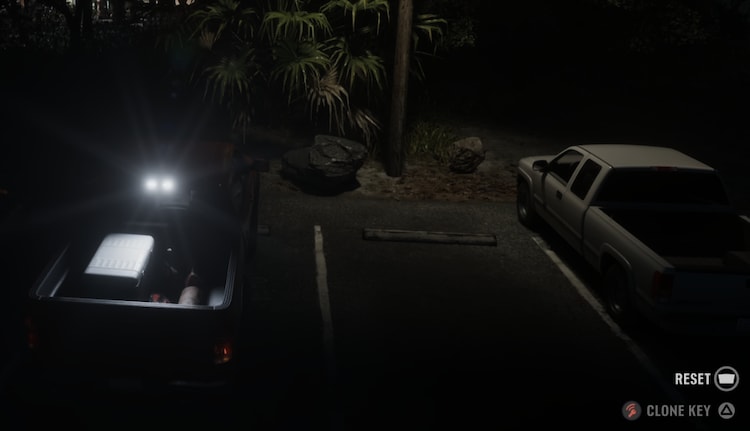
Through the in-game mobile app, players can check a vehicle's security details, including whether it has an alarm or tracker, and whether it requires a cloned key or can be hotwired. This adds a strategic element to choosing which vehicle to steal, particularly when trying to avoid police attention.
Fuel levels and vehicle maintenance add another layer
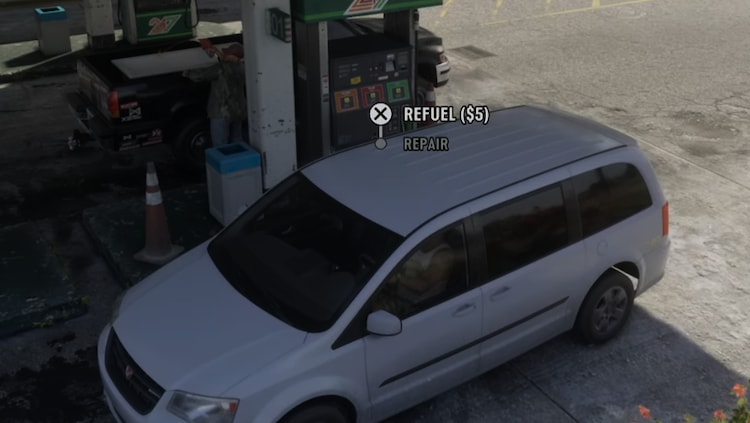
In GTA 5, players could drive across Los Santos and Blaine County without worrying about running out of fuel. Finding a vehicle and getting behind the wheel was all that mattered. GTA 6 introduces working fuel gauges, meaning the vehicle you steal might not necessarily have enough petrol to get you to your destination. Fuel can be purchased at petrol stations, which also offer repair facilities. Electric vehicles, meanwhile, have charging points across the game world, adding another layer of detail to vehicle ownership and use.
These mechanics are not necessarily intended to turn every journey into a fuel-management exercise. Fuel consumption appears relatively modest, keeping the focus on exploration and action rather than making refuelling a constant requirement. Nevertheless, running low on fuel during a police chase could make an otherwise straightforward escape considerably more complicated.
The addition of engine status indicators also gives players a better understanding of their vehicle's mechanical condition, particularly after collisions or prolonged use.
Crashes have more consequences
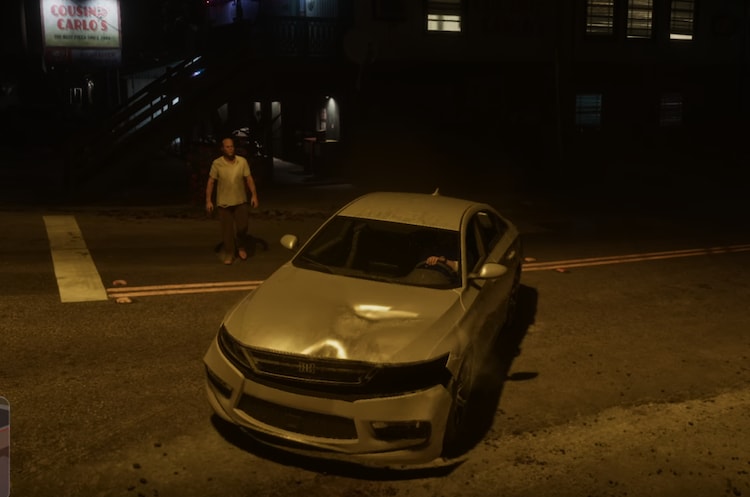
GTA 5 was relatively forgiving when it came to vehicle damage. Players could hit barriers, jump off ramps, crash into traffic and continue driving, often with little impact on the vehicle's overall behaviour. GTA 6 takes a more detailed approach to collisions. Body panels can come loose, mirrors can be knocked off, windows can shatter and headlights can sustain damage. The consequences are not limited to cosmetic changes, either.
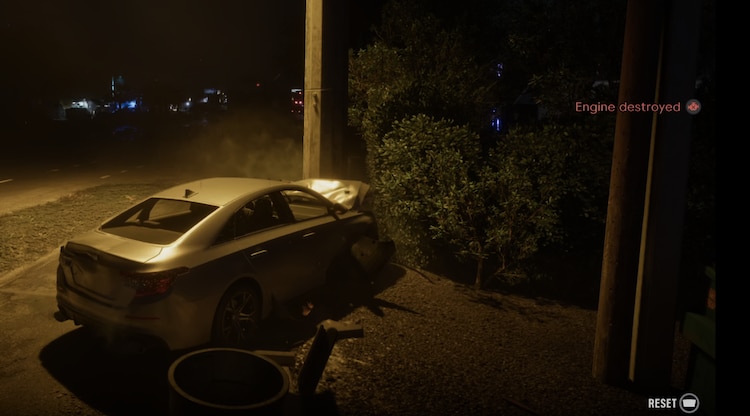
Hard impacts can damage mechanical components, including the engine, while sufficiently severe collisions can even result in a wheel coming off. Hitting a tree or pole at high speed, for instance, can cause substantial engine damage, potentially rendering the vehicle unusable. This makes reckless driving more consequential and gives players another reason to consider how they approach high-speed pursuits and collisions.
More attention to detail inside and outside the car
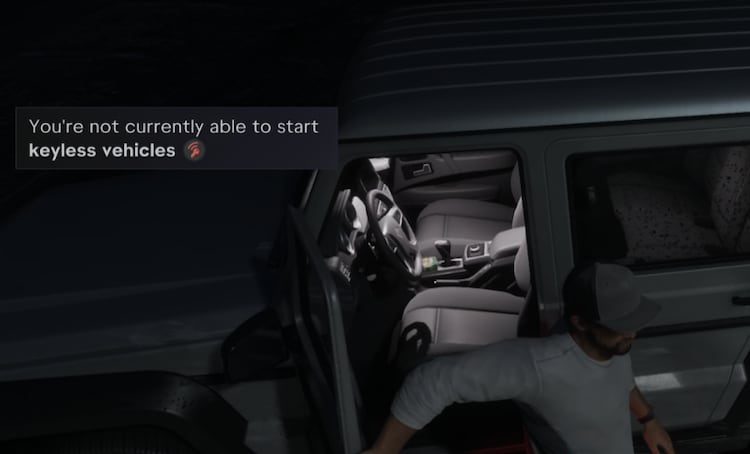
GTA 5 was originally released in 2013. While Rockstar improved its visuals across subsequent versions, the interiors of several vehicles remained relatively basic compared to what modern games can offer. GTA 6 takes a considerable step forward in this department. Vehicle interiors feature more detailed dashboards, seats, stitching, instrument displays and controls. The game also pays greater attention to exterior lighting, with LED headlights and conventional halogen units producing different lighting effects. There are smaller details that add to the experience. Convertible roofs can be operated through specific animations, while turn indicators are visible in gameplay footage. The latter is particularly interesting for players who enjoy driving around while following traffic rules rather than treating every road as a race track. The attention to mechanical detail extends to the braking system, too. Brake discs can glow red after repeated hard braking and gradually cool down as the vehicle moves. NPC drivers can also flash their headlights, or use the pass-light function, making traffic interactions feel more natural. These may seem like minor additions, but together they contribute to a more convincing driving environment.
More realistic driving physics, without losing the fun
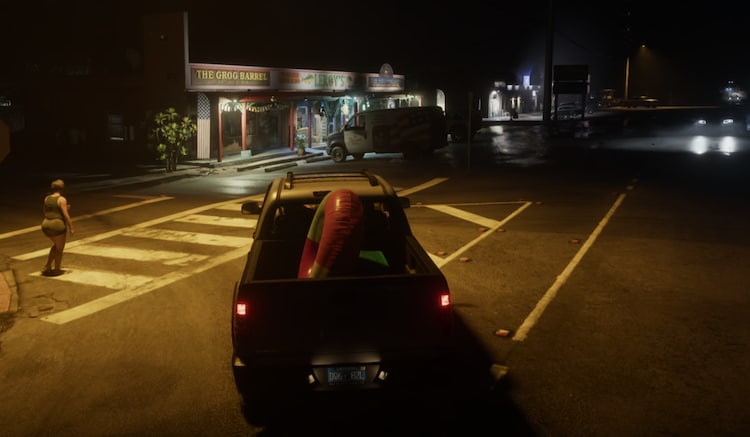
GTA 5 adopted a relatively forgiving driving model. Cars felt light, steering inputs were responsive and even inexperienced players could throw a vehicle into corners without worrying too much about losing control. It was an approach that worked well for a game built around fast-paced action. GTA 6 appears to bring back some of the weight and suspension movement that made GTA 4 interesting. Cars exhibit more noticeable body roll when cornering and pitch forward under hard braking. Suspension movement is also more pronounced, making vehicles feel less like objects gliding across the road. This should make the differences between vehicle types more apparent. A sports car, an SUV and a pickup truck are expected to respond differently to steering inputs, braking and changes in road conditions. The additional weight transfer also means players may need to be more considerate of their speed when entering corners or making sudden manoeuvres.
After more than a decade of driving around Los Santos, the journey through Vice City looks set to make the simple act of stealing a car and driving across town considerably more engaging.
Subscribe to Auto Today Magazine
- Ends
