
Nissan Tekton review, first drive: Classy toughness

We took the Nissan's latest SUV for an epic first drive experience from Chandigarh to Leh via the Zanskar valley.
Nissan Tekton review

UPDATED: Jul 27, 2026 16:27 IST
Nissan has a storied past, from creating one of the most dependable SUVs that has gone neck to neck with the Land Cruiser to the GT-R through its generations, that defined the essence of supercar challenging performance, to the Leaf – one of the highest selling electric cars in the world. Here in India however, Nissan has had an identity crisis, and even their attempt a couple of years to bring the iconic X-Trail nameplate back kind of backfired considering its unimpressive hybrid powertrain and the hefty price tag. And now comes the Tekton, the Nissan equivalent of the Renault Duster and the brand is putting a hope behind this SUV, and this was quite apparent considering the elaborate first drive experience that Nissan laid out for us, driving the Tekton from Chandigarh to Leh, via the less travelled Zanskar valley.
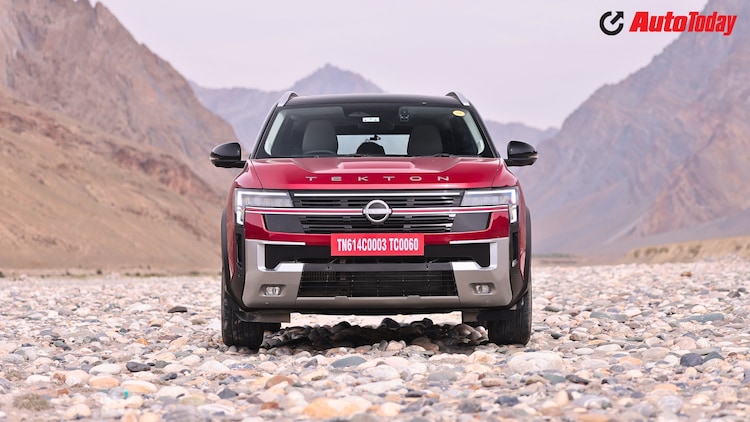
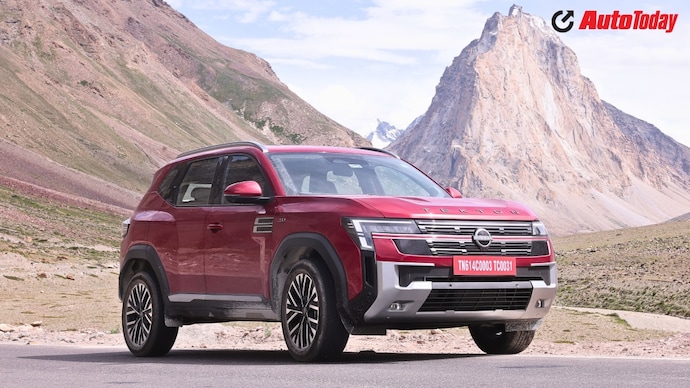
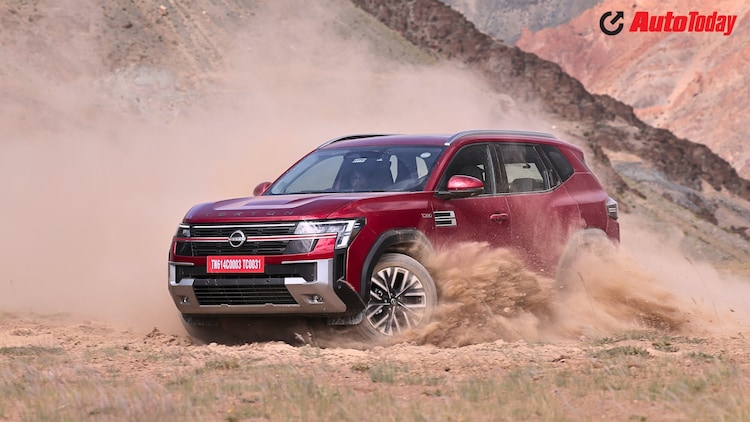
Design and looks are always subjective, and while I have endorsed the Renault Duster as one of the best looking cars in the mid-size SUV segment owing to its butch SUV proportions, the Tekton does it a bit better. The Duster appeals to the youth, but Nissan has given the Tekton a much more mature appearance. The designers have taken inspiration from the flagship Nissan Patrol, straight lines make up the front design, with a horizontally slatted grille that houses the Nissan logo. The headlamps, while being the same units, get a C-shaped LED DRL that also connects the two headlamps. The Tekton has a gradually smooth nose too, with a chunky lower bumper with LED fogs housed at the corners. The Tekton lettering on the bonnet does stick out a bit though, and Nissan could’ve done without this.
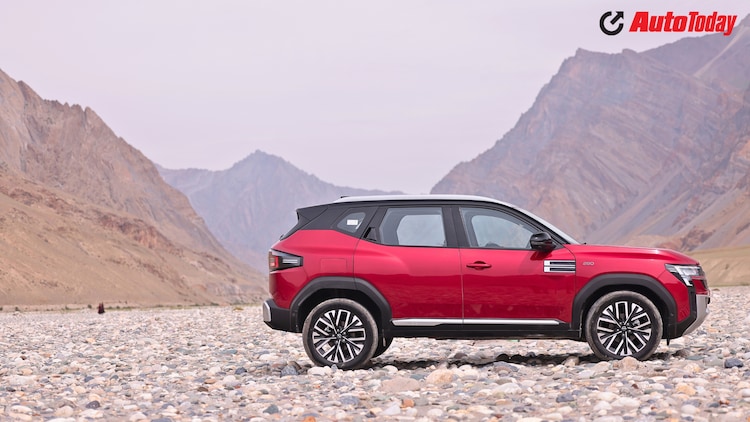
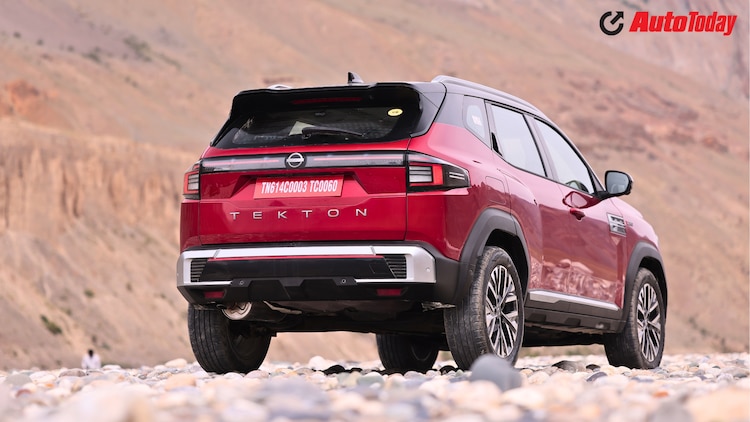
Over to the sides, changes are much less as metal body parts are the same. But the Tekton gets different alloys, with a metal finish, while the roof rails are not functional, and finished in silver. The rear too has changes, including the revised taillamps and the lower bumper. In simple words, the Tekton suits up, while the Duster wears outdoor gear.
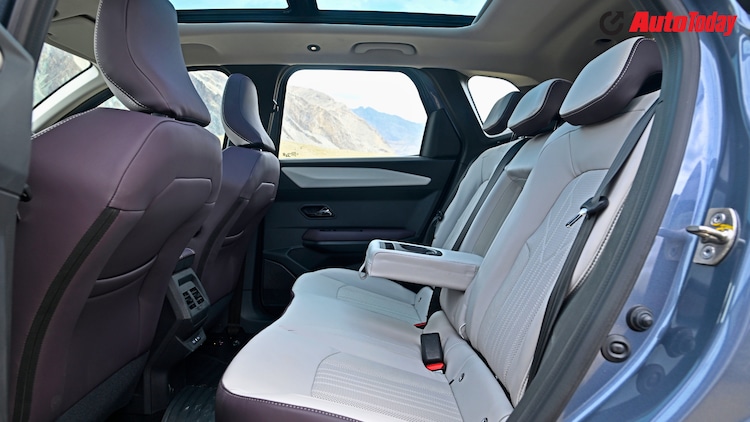
Inside, the changes feel major even though they’re not. This is courtesy of the colour palette, cream and burgundy, unique, and in person this feels really special, especially in this segment. Nissan has done a great job of enhancing the appeal of the cabin, that also gets gold accents, and compared to the dark and green-themed Duster cabin, the Tekton feels way more premium despite being nearly the same cabin – that’s how much difference colours make. The theme extends to the seats and the door pads, the only problem being the light colour that will get dirty with time.
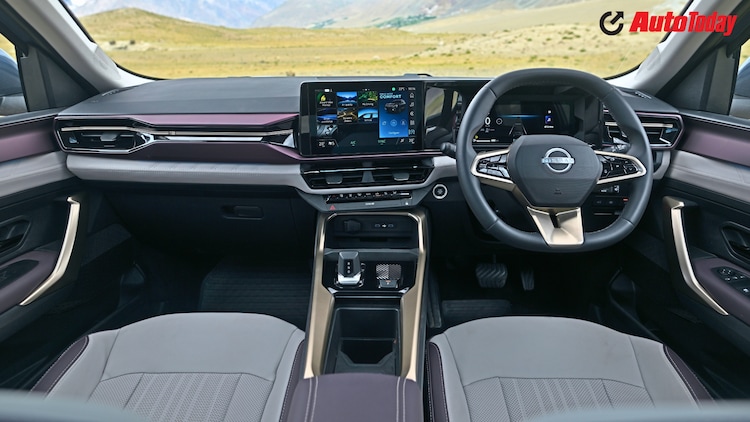
Now compared to its sister car, the Tekton feels really classy, the fabrics and the colours make the SUV feel very different. Then there are the features, huge panoramic sunroof, dual-zone climate control, powered seats, ADAS, and a powered tailgate. While both the Duster and Tekton sit at par with each other in terms of kit, Nissan’s treatment of the driver’s display is way better, especially the analogue-style display. The seats are great, the support is brilliant and the bolsters make it just the perfect saddle to push the Tekton through the twisties.
The 700km journey gave us the most elaborate test of the Tekton. The 1.3-litre turbo comes with automatic and manual transmission options while the 1.0-litre is offered solely with a stick shift. For most of the journey I had the 1.3-litre DCT with me. In city conditions, the lack of low end torque and the gear ratios do make traffic driving a bit annoying but out on the roads, this pays dividends.
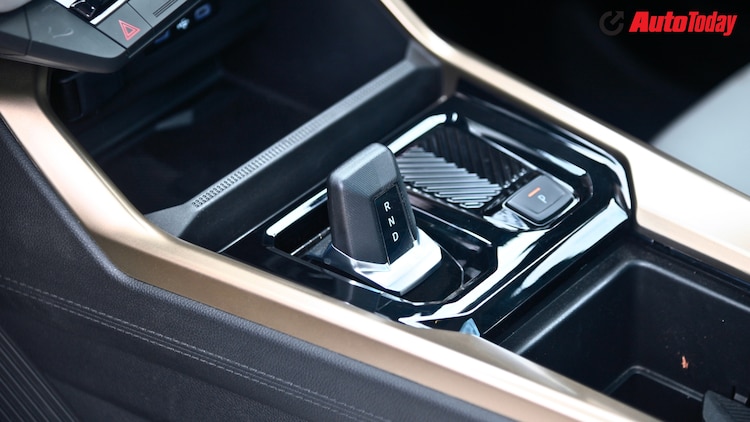
The engine has more than enough grunt to make overtakes at any speeds, though the ferocity of the acceleration does take some time to build up. The DCT works well, though it is not as quick as other DCTs in the market, but one can use the paddle shifters to stay in manual mode almost all of the time and this made driving up and down the mountains really rewarding. However we had to climb to Shinku La pass, at 16,000 feet this was a great test of the powertrain, and this exposed weaknesses. The larger turbo (compared to rivals) did not have enough air density to build boost, so for a few stretches of the climb, the car was as good as a naturally aspirated one, without much in terms of acceleration.
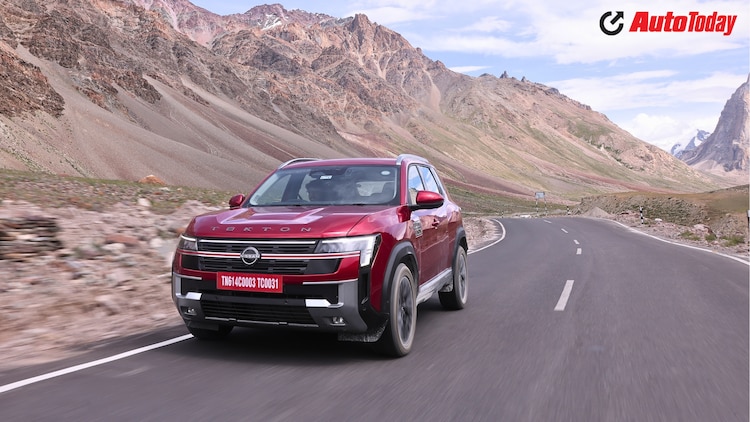
What makes the Tekton a really great mile muncher is the way that it handles terrain. Bad roads and even off-road bits we encountered during the drive were easily taken on, and the SUV didn’t really struggle, but deeper potholes do send jarring jolts if taken at higher speeds. But for the most part it is comfortable on all kinds of terrain, with some stiffness at lower speeds. But the Tekton handles like its sibling, and that makes this one of the best driving SUVs in the segment. The steering is sharp and accurate, the body follows, and pushing it through the flowing corners of the Zanskar valley was an absolute treat. The balance is really good, and it doesn’t need someone with exceptional skills to actually have fun with the car.
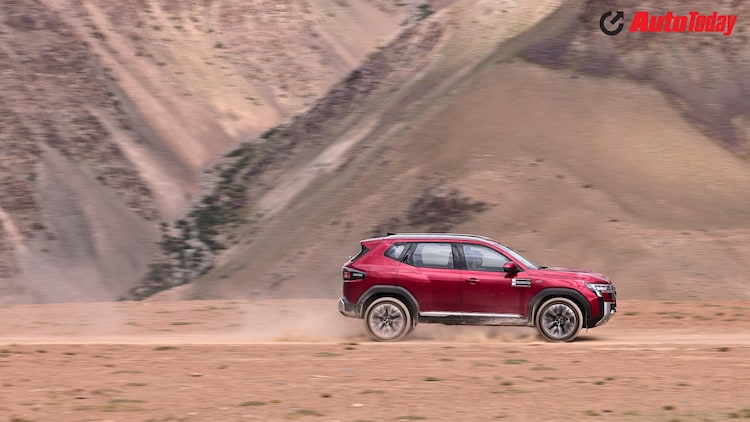
But what makes the Tekton a bit more important is the fact that the 1.0-litre is offered all the way up to the top-spec trim, unlike the Renault that is offered maximum till the mid-spec. This means that Nissan has affordability on its side for those who don’t need the superior punch of the 1.3 turbo. And while the 1.0-litre is a great powertrain for urban use, courtesy of the low-end torque, it has to be hustled to get the engine to push, especially in the hilly terrain. But it still got enough grunt and didn’t get bogged down anywhere, infact the lighter engine made the Tekton slightly more fun through corners.
Verdict
As a rival to the segment leaders, Nissan has fielded a well-rounded product, especially when it comes to driving character, and the ability to take a beating. In terms of features, the Tekton doesn’t lack either, but space and quality is a department that there is scope for improvement, given how good the segment leaders have got, but the Tekton isn’t exactly aiming for the higher-spec rivals. It wants to gain its numbers in the lower end of the segment, below the Rs 18 lakh mark.
Subscribe to Auto Today Magazine
- Ends