
How drones reduced TB testing costs from Rs 9,451 to just Rs 91: ICMR study
An ICMR study in Telangana found that using drones to transport TB sputum samples reduced diagnosis time from 15 days to just five days while almost eliminating patients' travel costs.
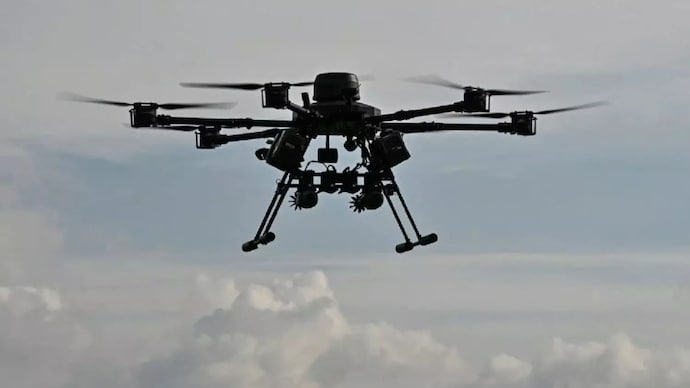

For thousands of people living in remote parts of India, getting tested for tuberculosis (TB) is often a long and expensive process. Many patients have to travel several kilometres to reach a laboratory that offers molecular diagnostic tests, spending money on transport and losing daily wages in the process. These delays can postpone treatment, increase the risk of spreading the disease and add to the financial burden on families already struggling with limited incomes.
A new study by the Indian Council of Medical Research (ICMR) has shown that drones could offer a practical solution to this challenge. Conducted under the i-DRONE initiative in Telangana, the study found that transporting sputum samples by drones instead of asking patients to travel to diagnostic centres significantly reduced the time taken to confirm TB and dramatically lowered patients' out-of-pocket expenses.
Researchers reported that the median turnaround time for TB diagnosis dropped from 15 days to just five days, while the average out-of-pocket expenditure fell from around Rs 9,451 to Rs 91. The findings highlight how technology can strengthen healthcare delivery in rural and hard-to-reach areas, supporting India's efforts to eliminate tuberculosis.
WHAT IS THE I-DRONE INITIATIVE?
The study was carried out in Yadadri-Bhuvanagiri district of Telangana in collaboration with AIIMS Bibinagar and the District TB Office under the National TB Elimination Programme (NTEP).
Under the project, researchers created a hub-and-spoke drone network connecting 11 Primary Health Centres (PHCs), 60 sub-centres and four TB Units (TUs).
Instead of travelling long distances to specialised laboratories, patients visited their nearest health centre, where sputum samples were collected. These samples were then transported by drones to TB diagnostic laboratories equipped with molecular testing facilities.
The study enroled 840 participants and compared outcomes before and after the drone-enabled transport system was introduced.
DIAGNOSIS BECAME MUCH FASTER
One of the biggest findings was the reduction in the time taken to diagnose TB.
Before drones were introduced, patients waited a median of 15 days to receive a confirmed diagnosis. After drone transport began, the turnaround time dropped to just five days.
Researchers said this reduction in diagnostic delays allows doctors to confirm TB earlier and begin treatment sooner, which is essential to prevent the infection from spreading within communities.
HUGE SAVINGS FOR PATIENTS
The drone-based model also reduced the financial burden on patients.
According to the study, the average out-of-pocket expenditure (OOPE) associated with TB diagnosis dropped from around Rs 9,451 to approximately Rs 91.
The savings came mainly from:
- Reduced travel costs
- Less loss of daily wages
- Sample collection at nearby health facilities instead of distant laboratories
Notably, the median out-of-pocket expenditure during the drone phase was zero, meaning many patients did not have to spend any money to access TB diagnostic services.
India carries the world's highest burden of tuberculosis, making early diagnosis a key part of disease control.
Delays in testing often occur because patients in rural areas face poor road connectivity, long travel distances and limited public transport. Many also postpone testing because travelling to a TB centre means losing a day's income.
By shifting sample collection closer to patients' homes and using drones for transportation, the study showed that these barriers can be significantly reduced.
Speaking on the findings, Dr Rajiv Bahl, Secretary, Department of Health Research and Director General of ICMR, said affordable and timely diagnosis remains central to India's TB elimination efforts. He noted that technologies such as drones can help bridge geographical barriers and reduce the burden on patients living in remote areas.
The findings add to the growing body of evidence from the ICMR i-DRONE initiative, which is exploring the use of drones for transporting vaccines, medicines, blood products, diagnostic specimens and other medical supplies in difficult terrains across India.