
Monsoon wellness: Tips to stay ahead of flu, dengue and waterborne diseases
From steaming cups of chai to puddles that hide more than reflections, here's how to enjoy the season without inviting flu, dengue or waterborne diseases into your home.
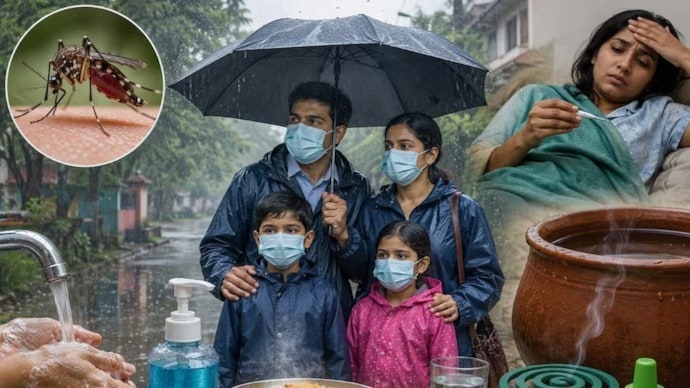

If Bollywood had its way, monsoon would always arrive with violins, perfectly timed confessions of love and a cup of masala chai balanced precariously on a windowsill. Reality, however, has other plans. Along with petrichor comes the annual parade of sniffles, mosquitoes that behave like uninvited relatives, and stomach bugs that seem determined to RSVP to every family dinner.
The rains are glorious but so are germs.
Every monsoon, hospitals witness a rise in seasonal influenza, dengue, malaria and waterborne infections such as typhoid, cholera and gastroenteritis. While the weather cools down, humidity creates the perfect breeding ground for mosquitoes, bacteria and viruses. Suddenly, that harmless puddle outside your gate is less of a childhood memory and more of a public health concern.
The good news? Most monsoon illnesses don't require superhero powers to avoid, just a little common sense and consistency.
Start with the basics. Wash your hands before eating, drink only clean or filtered water, and avoid cut fruits or uncovered street food that may have been exposed to contaminated water. Freshly cooked meals are your safest bet during this season.
Then comes the mosquito battle.
Empty flower pots, coolers, buckets and any containers that collect rainwater. Even a bottle cap holding stagnant water can become a mosquito nursery. Wear full-sleeved clothing when possible, especially during dawn and dusk, and use mosquito repellents or nets at home.
Don't dismiss the flu either. If you develop fever, body aches or persistent cough, staying home for a day or two may do more than help you recover, it could also prevent you from passing the infection to colleagues and family members.
Monsoon wellness isn't only about dodging viruses. It's also about managing the emotional roller coaster that cloudy skies sometimes bring along.
The reduced sunlight, disrupted routines and spending more time indoors can quietly affect mood and motivation. Many people notice they're sleeping more, exercising less and feeling unusually sluggish.
EXPERT SAYS SIMPLE HABITS CAN HELP
"The monsoon changes more than the weather, it changes our routines. When people stay indoors for longer periods, sleep patterns shift, physical activity drops and moods can become unpredictable. Simple habits like maintaining a regular schedule, getting enough sleep and staying connected with loved ones can make a noticeable difference to both mental and physical well-being," says Dr Kripa Shah.
Small rituals can make a surprising difference. A short walk between showers, stretching indoors, reading by the window instead of endlessly doom-scrolling, or calling a friend over for chai can all help lift your mood. Your immune system appreciates good sleep and balanced meals just as much as your mental health appreciates laughter and routine.
"Health during the monsoon isn't only about avoiding infections; it's also about reducing stress. Chronic stress can affect how well we take care of ourselves, from skipping nutritious meals to ignoring early symptoms of illness. Looking after your mental health is an important part of protecting your overall health during this season, says Dr Shah.
NUTRITION IS EQUALLY IMPORTANT
Nutrition also deserves a front-row seat this season. Include vitamin C-rich fruits, seasonal vegetables, protein and probiotic foods like curd if they suit you. Staying hydrated is equally important, even when the weather doesn't make you feel thirsty.
And remember, not every fever is "just viral." High fever accompanied by severe body pain, rashes, persistent vomiting or dehydration should never be ignored. Early diagnosis is especially important for illnesses like dengue, where timely medical attention can prevent complications.
Perhaps the biggest monsoon myth is that wellness has to be complicated. It doesn't.
It is the sum of tiny habits: carrying an umbrella, refilling your water bottle with safe drinking water, checking for stagnant water on the balcony, sleeping on time, eating fresh food and knowing when your body is asking for help instead of another cup of tea.
The monsoon doesn't have to be a season you merely survive. With a little preparation, it can still be about long drives, hot pakoras, laughter over board games and watching the rain paint the city silver—minus the pharmacy visits.
After all, the only thing worth catching this season should be the fragrance of the first rain, not the flu.