
World's first and only once-weekly insulin launched in India
Novo Nordisk has launched Awiqli, the world's first once-weekly basal insulin, in India. The therapy is aimed at easing injection anxiety and improving adherence among adults with diabetes.
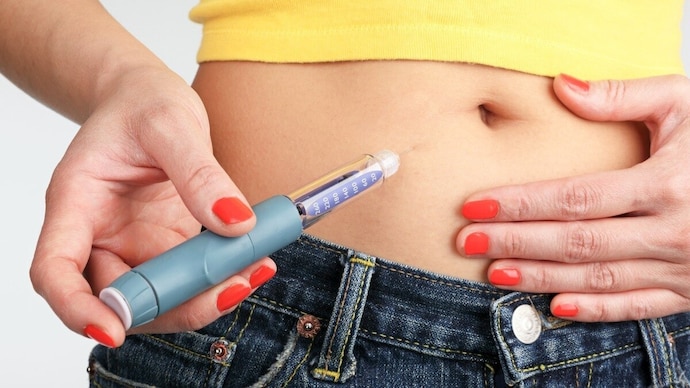

Danish drugmaker Novo Nordisk on Wednesday launched Awiqli or insulin icodec, the world's first once-weekly basal insulin for adults with Type 1 and Type 2 diabetes, marking a significant shift in diabetes treatment by cutting insulin injections from 365 a year to just 52.
Insulin is a hormone that helps move glucose (sugar) from the bloodstream into cells to stop it from building up in the bloodstream. Patients with type 1 diabetes or advanced type 2 diabetes need to administer insulin, usually once a day and sometimes multiple times a day, in order to keep their blood sugar in a healthy range.
The maker of blockbuster diabetes and obesity drug semaglutide said the new therapy is designed to address one of the biggest barriers to insulin adoption in India – fear of daily injections – which contributes to insulin initiation being delayed by an average of seven to nine years.
India has nearly 10.1 crore people with diabetes and about 13.6 crore others with prediabetes. The country also has over 9 lakh people suffering from type 1 diabetes, an autoimmune condition, where the management largely centres around insulin therapy.
About 10 percent of those with type 2 diabetes, which is typically rooted in metabolic reasons due to the body's inability to use insulin properly, also need insulin therapy.
Four of the five top-selling insulin brands in India, that include Mixtard and Ryzodeg, are currently manufactured by Novo Nordisk. The drugmaker has tied up with Abbott for the distribution of these therapies in the country.
CUTS TREATMENT BURDEN
Unlike conventional basal insulins that require daily administration, Awiqli is to be given once a week through a pen device, called FlexTouch. The com pany said the simplified regimen could improve treatment adherence and encourage earlier insulin initiation among patients who are reluctant to start therapy.
The launch assumes significance as India faces one of the world's largest diabetes burdens. Recent National Family Health Survey (NFHS)-6 data also points to a sharp rise in high blood sugar prevalence across both urban and rural populations.
Clinical data from the ONWARDS-1 programme showed that Awiqli delivered superior HbA1c ( a measure of glucose in blood) reduction and improved "time in range" compared with once-daily insulin glargine U100, while maintaining a comparable safety profile.
More patients with Type 2 diabetes also achieved HbA1c levels below 7 percent without hypoglycaemia, according to the company.
Vikrant Shrotriya, Managing Director, Novo Nordisk India, said the launch represented "a defining moment" for diabetes care in the country, adding that once-weekly dosing could reduce both the psychological and physical barriers associated with insulin therapy.
INDIA SPECIFIC NEED
Endocrinologist Dr S.K. Wangnoo, who is associated with Indraprastha Apollo Hospital in New Delhi, said delayed insulin initiation and poor adherence continue to affect diabetes outcomes, and innovations that simplify treatment could improve patient acceptance and enable more timely intervention.
For India, where physicians often grapple with concerns over adherence while patients cite injection anxiety, pain and treatment complexity as reasons for delaying insulin, a once-weekly option could help bridge a long-standing gap in diabetes management.
A nationwide study funded by the Indian Council of Medical Research (ICMR) and co-ordinated by the Madras Diabetes Research Foundation, which came out in 2022 had shown that only 1 person, out of 3 with known diabetes.