46% more polling stations by 2029, Rs 486 crore earmarked for EVMs, reveals RTI

The figures were provided in response to an RTI application filed by India Today seeking details of the voting machines currently available with the Election Commission of India and its plans to obtain new EVMs ahead of the 2029 Lok Sabha polls.
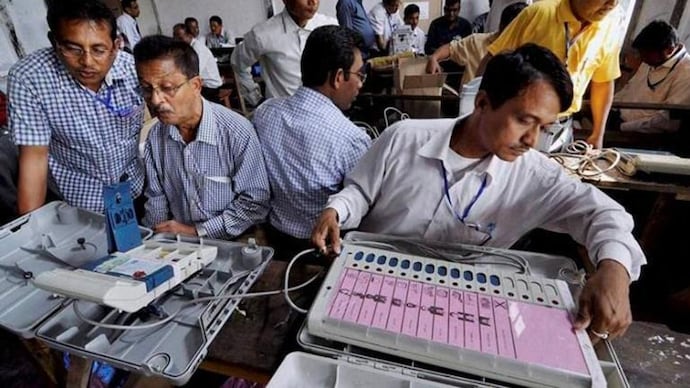

India could have nearly 15.38 lakh polling stations for the 2029 Lok Sabha polls — about 46 per cent more than the 10.52 lakh ones used in the 2024 general election — according to information provided by the Election Commission of India in response to an RTI application.
The poll body currently has around 30.48 lakh ballot units and 21.92 lakh control units in its stock.
Furthermore, the ECI has estimated expenditure of approximately Rs 486 crore for procuring EVMs and VVPATs ahead of the 2029 Lok Sabha elections.
The figures were provided in response to an RTI application filed by India Today seeking details of the voting machines currently available with the poll panel and its plans to procure new EVMs ahead of the 2029 Lok Sabha elections.
According to the response, the ECI plans to procure 3.57 lakh ballot units and 1.25 lakh control units before the 2029 general election.
The number of machines proposed for procurement is exactly the same as the number the Commission plans to retire during the period.
The ECI plans to retire 3.57 lakh ballot units and 1.25 lakh control units, indicating that the proposed procurement is primarily aimed at replacing older machines rather than expanding the overall EVM inventory.
The commission's current stock is significantly higher than what was available for the 2019 Lok Sabha election. In 2019, the ECI had around 14.88 lakh ballot Units and 11.3 lakh control units.
The data indicates that while the number of polling stations is expected to rise substantially, the poll body does not currently plan a corresponding expansion of its EVM fleet through new procurement. Instead, the planned purchases would replace machines being retired, with the existing stock being used to meet the requirements of the 2029 polls.