
No longer a cyclone: IMD confirms Akvan is weakening and fading away

Akvan has lost its cyclone status after bringing heavy rain to Odisha. More than 4.4 lakh people were evacuated ahead of its landfall near Gopalpur.
 Last UpdatedNov 21, 2026 10:25 IST
 Published by
Cyclone Akvan has finally lost its strength, weakening into a well-marked low-pressure area over Odisha in the late hours of November 20, marking the end of its journey as a powerful storm over the Bay of Bengal.
The India Meteorological Department (IMD), in its cyclone bulletin, said the remnants of the severe cyclonic storm had moved northwards from south coastal Odisha and weakened over central Odisha by 11:30 pm on Friday.
The weather system is expected to weaken further as it moves northwards over Odisha, eventually becoming a low-pressure area.
FROM SEVERE CYCLONE TO FADING WEATHER SYSTEM
Akvan had intensified into a severe cyclonic storm over the Bay of Bengal before moving towards the Odisha coast.
Its landfall process began early Friday along the North Andhra Pradesh-South Odisha coast, near Gopalpur.
After moving inland, however, the storm steadily lost strength.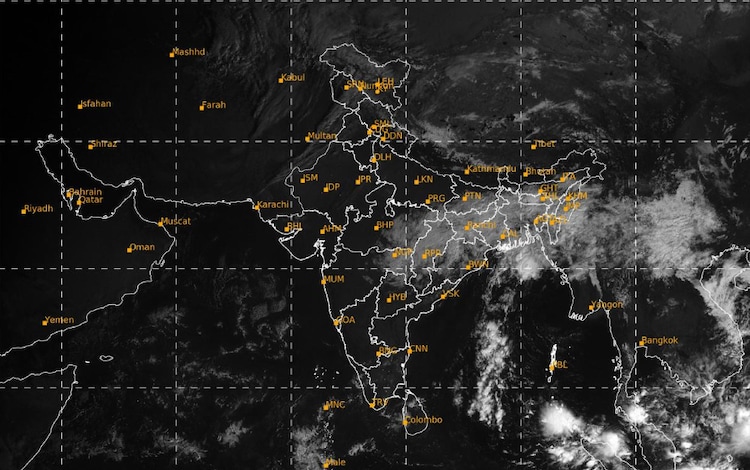
Akvan's interaction with land and stronger winds in the surrounding atmosphere made it increasingly difficult for the system to maintain its intensity.
By Friday evening, Akvan had weakened into a depression before losing further strength and becoming a well-marked low-pressure area.
HEAVY AND HARMLESS RAIN
The cyclone crossed the North Andhra Pradesh-South Odisha coast near Gopalpur between 7:30 am and 8:30 am on Friday, carrying winds of 70-80 kmph and gusts of up to 90 kmph, according to the IMD.
The storm brought heavy rainfall to several parts of Odisha.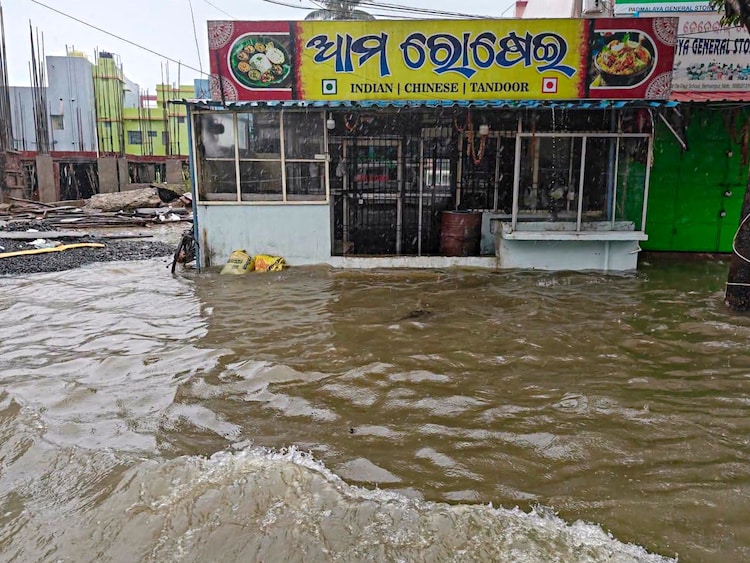
Patrapur in Ganjam district recorded 209 mm of rain in the 24 hours ending at 8:30 am Friday, while Hinjili received 207 mm and Gopalpur recorded 190 mm.
Despite the heavy rain, Odisha's disaster management minister said no major damage or loss of life had been reported. More than 4.4 lakh people had been moved to safer locations as a precaution.
WHAT HAPPENS NEXT?
Although Akvan is no longer a cyclone, its remnants will continue to influence weather across eastern India.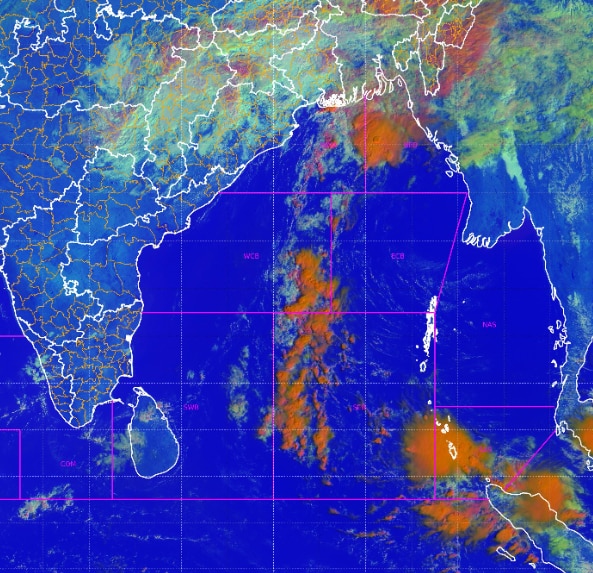
The IMD satellite observations showed intense cloud activity over the northern Bay of Bengal and parts of Chhattisgarh, with moderate to intense activity over Jharkhand, Bihar, West Bengal and northeastern states.
The system is expected to move further northwards over Odisha and weaken into an ordinary low-pressure area.
The IMD has ended its cyclone-specific updates, although regular tropical weather forecasts will continue.