
Delhi roasts at 44°C, weather conditions set for temperature to go to 45°C
This surge comes as clear skies and dry winds allow the Sun to bake the ground without relief. People stepping out feel the heat like a heavy blanket, making even short walks exhausting.


Delhi woke up to another scorching day on Tuesday, May 19, 2026, with temperatures climbing fast, showing no signs of slowing down any time soon.
By 11 am, both Safdarjung and Palam weather observatories in Delhi had already recorded 41°C, with temperatures climbing up to 44°C across the city by 12:45 pm.
Trends are strongly pointing to a possibility of official weather stations in the national capital to hit 45°C for the first time this season, marking the peak of an intense heatwave gripping North India.
This surge comes as clear skies and dry winds allow the Sun to bake the ground without relief. People stepping out feel the heat like a heavy blanket, making even short walks exhausting.
HOW HOT IS DELHI?
Reports show maximum temperatures yesterday crossed 43°C at several spots in Delhi, with minimums staying high around 27-29°C. The development comes a day after the city recorded its hottest day of the season on Monday, with temperatures nearing 44°C in several parts of the city.
It aligns with the seasonal trend so far of the lack of relief offered even during the nighttime, leaving people tired and homes warm.
The India Meteorological Department (IMD) has further added that heatwave conditions in isolated places, with strong sunshine and light winds are adding to the discomfort.
Across northwest and central India, similar conditions prevail in states like Rajasthan, Uttar Pradesh, Haryana, and Madhya Pradesh.
Cities are seeing highs in the low-to-mid 40s, putting millions at risk of heat-related stress.
WHY IS DELHI SO HOT?
Heatwaves happen when a high-pressure system parks over an area and acts like a lid, trapping hot air near the ground.
Without clouds or rain to block sunlight, the land heats up quickly during the day.
In cities like Delhi, concrete buildings and roads soak up heat and release it slowly, leading to what is known as the urban heat island effect, which makes things feel even hotter than in open fields.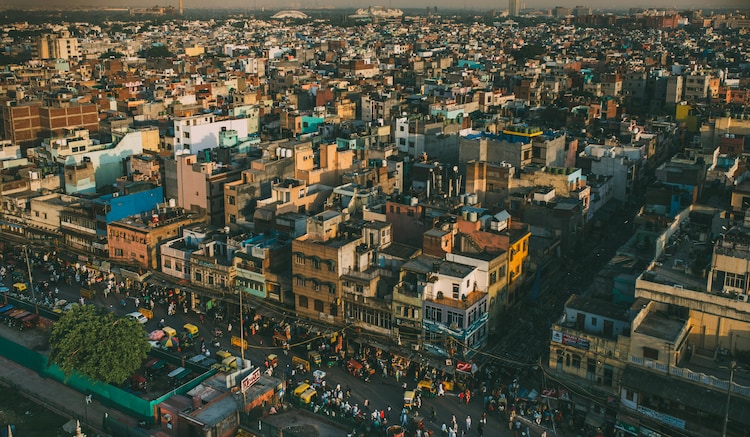
This May has brought a mix of weather.
Earlier rains offered some relief, but a shift to drier conditions has allowed temperatures to shoot up. Broader climate patterns, including warmer global temperatures, are making such intense spells more common and longer-lasting.
Even small changes in ocean temperatures far away can influence wind patterns and reduce cooling rains over India.
HOW IS THE WEATHER AHEAD?
The IMD forecasts maximums of 43-45°C continuing through May 20-21, with heatwave conditions likely in parts of Delhi and other Delhi-NCR regions.
Some relief may start around May 22–23 as temperatures ease slightly, but the real break is expected with the arrival of monsoon rains later in the month.
In the meantime, the scorching temperatures and the UV radiation and exhaustion they bring are a particular threat to the elderly, children, and the thousands of informal workers in the region.
IMD has encouraged hydration and avoiding outdoor activities during the peak hours from noon to 4 pm.
This early intense heat serves as a reminder of how quickly summer can turn challenging in North India.