
India's coal consumption for power in June 2026 highest since 2023. What caused it?
Despite rapid growth in renewable energy, India was yet again forced to resort to fossil fuels to meet the rising energy demands of a large population. What caused it?
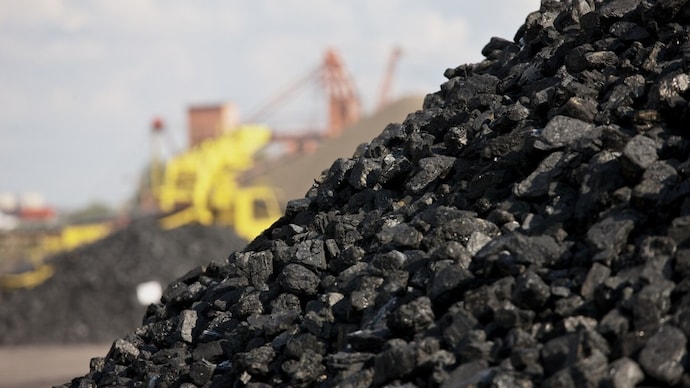

India's coal-fired electricity generation climbed to its highest level since November 2023 in June 2026, as an extended heatwave and below-average monsoon rainfall kept air conditioners running and pushed power demand sharply higher across the country.
Coal-fired power generation rose nearly 14% year-on-year to 120.2 billion kilowatt-hours (kWh) in June. Overall electricity generation also increased 10.4% from a year earlier to 178.31 billion kWh, according to government data analysed by news agency Reuters.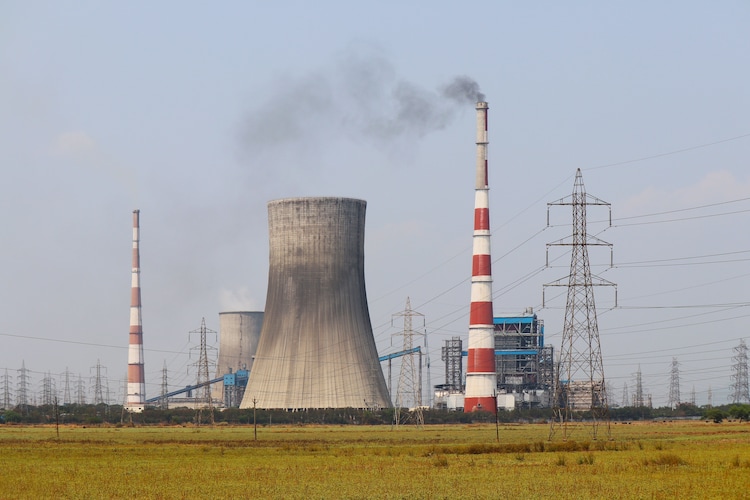
India's dependence on coal highlighted the growing demand for power in the country in the face of extreme heat.
Despite rapid growth in renewable energy, the country was yet again forced to resort to fossil fuels to meet the rising energy demands of a large population.
It also isn't a coincidence that the record surge comes after India experienced one of its driest Junes on record.
According to the Indian Meteorological Department (IMD), the country recorded its fifth-driest June in 126 years, since 1901.
A strong El Nino pattern delayed the monsoon's progress over several parts of the country and prolonged extreme heat that India had been facing for months.
In other words, the delayed rains meant millions of homes and businesses continued relying on cooling appliances, driving up electricity consumption.
WHY DOES INDIA USE COAL?
Coal continues to supply the bulk of India's electricity because it can generate power round the clock.
While solar and wind energy have expanded rapidly, solar panels stop producing electricity after sunset and battery storage remains limited.
Reuters reported that evening electricity demand, when solar generation falls, was largely met by coal-fired power plants.
Even though renewable energy accounted for a record 19% of India's electricity mix in June, its output was not enough to replace coal during peak demand hours.
Overall renewable generation rose 23% from a year earlier to 33.81 billion kWh.
And yet, coal prevailed, highlighting how much more renewable capacity India needs to build in order to cut its reliance on fossil fuels.
RAIN HITS HYDROPOWER
The delayed and below-normal monsoon didn't just lead to coal consumption but also hit another major source of clean electricity.
Hydropower was majorly impacted as lower rainfall reduced water availability in reservoirs, causing hydropower generation to fall 24.4% year-on-year to 14 billion kWh, marking the steepest decline since February 2024.
Natural gas-based power generation also dropped 30.1% during the month.
Energy analysts said that coal is likely to remain India's main source of electricity in the near term as demand continues to grow.
Ankit Jain, vice president at credit rating agency ICRA, told Reuters that thermal power generation could increase further this financial year to meet rising electricity demand during peak consumption periods, despite continued additions of renewable energy capacity.