
Nasa used space dust to find clues to ancient ice reservoir beyond Neptune

Tiny grains of space dust are helping scientists understand where water existed billions of years ago and how the early solar system took shape.
 Last UpdatedNov 19, 2026 15:07 IST
 Published by
Scientists have found new evidence of an ancient reservoir of water ice in the distant outer reaches of the solar system, offering new clues about how water and other materials were distributed when the planets were forming billions of years ago.
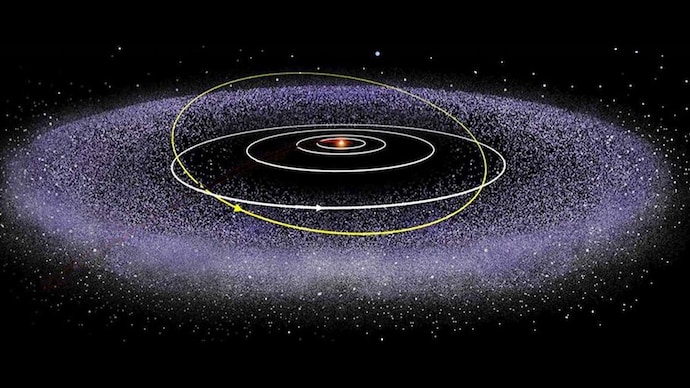
Nasa researchers studying microscopic grains of space dust collected high above Earth have identified chemical traces pointing to a reservoir of ice in the Kuiper Belt, a vast region beyond Neptune filled with frozen and rocky objects.
The discovery could help scientists better understand how the early solar system developed and why its different regions have distinct chemical compositions.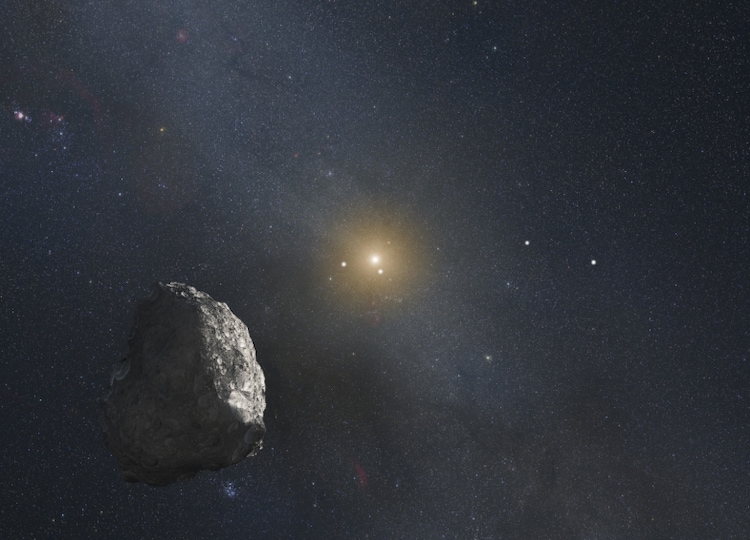
HOW SPACE DUST REVEALED CLUES
The research team analysed 12 tiny dust particles collected from Earth's upper atmosphere using Nasa's ER-2 high-altitude research aircraft.
Although the particles are microscopic, they possess clues about their journey through space.
Scientists examined marks left by high-energy particles from the Sun, which helped them trace the dust to the Kuiper Belt.
Researchers at Nasa's Johnson Space Center studied the particles using powerful microscopes, while scientists at the University of California, Los Angeles (UCLA), measured their oxygen composition.
They identified minerals that had formed when water interacted with dust early in the solar system's history.
The chemical signatures showed that this ancient water contained unusually high amounts of heavier forms of oxygen, known as oxygen isotopes.
Oxygen has different forms that vary in the number of neutrons in its atoms. These differences help scientists identify where materials originated and how they changed over time.
The findings provide evidence of a long-suspected reservoir of water ice in the outer solar system.
AN IMPORTANT DISCOVERY
For decades, scientists have believed that the distant solar system contained water enriched with heavier oxygen. Evidence, however, has been difficult to find because most available space rocks come from regions closer to the Sun.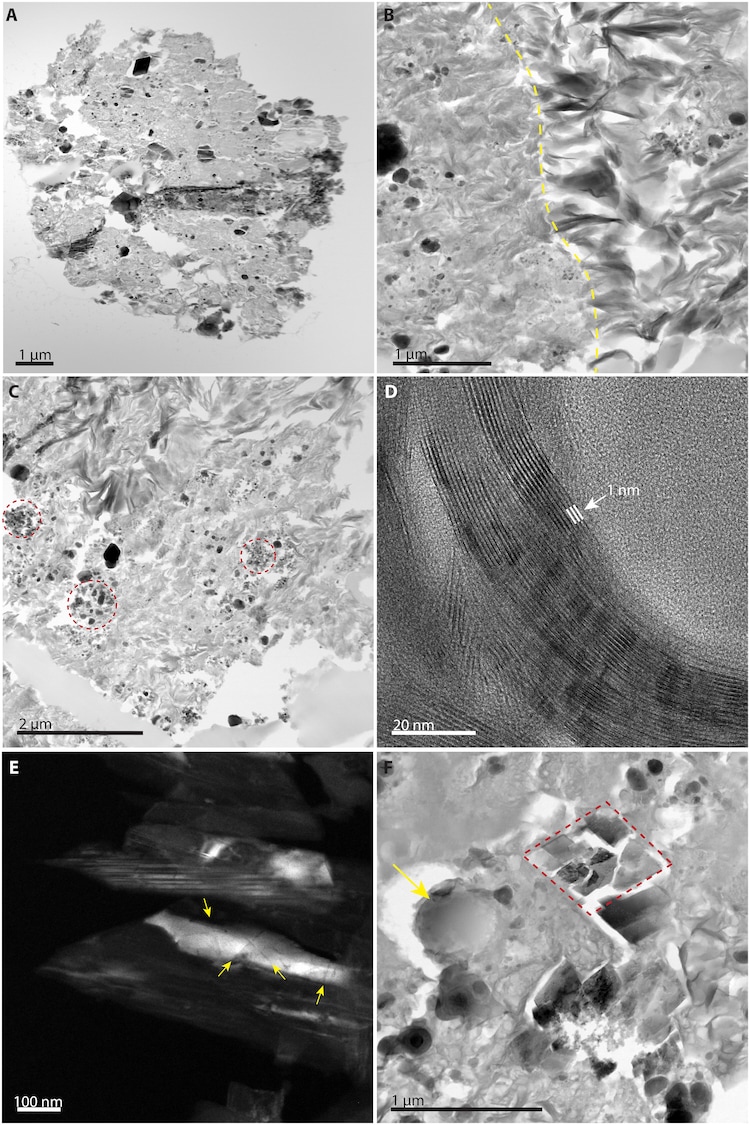
The new findings suggest that water-rich material in the Kuiper Belt remained largely separate from material in the inner solar system.
Researchers believe the formation of giant planets may have acted as a barrier, limiting how much material travelled inward.
"This research shows that water in the early solar system was not distributed or mixed uniformly," said Kevin McKeegan, a UCLA research professor involved in the study.
The discovery also shows how tiny particles reaching Earth can preserve information about places that spacecraft have not directly sampled.
Published in the journal Science Advances, the research illuminates a new way to investigate the solar system's vast history, using microscopic dust as a record of its distant past.