

Xiaomi QLED TV X Pro 75 review: Big screen entertainment that does not break the bank
The Xiaomi QLED TV X Pro 75 delivers an immersive big-screen experience with vibrant colours, a Google TV interface and a premium-looking design at an aggressive price. While black levels and audio leave some room for improvement, it remains a compelling choice for anyone seeking a 75-inch TV under Rs 70,000.
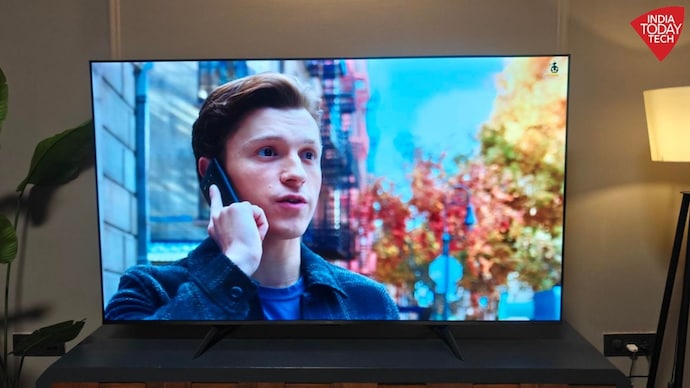
The Xiaomi QLED TV X Pro 75 is a good 75-inch TV.

New Delhi,UPDATED: Jul 10, 2026 16:35 IST
Xiaomi QLED TV X Pro 75 review
Pros
- Massive display
- Premium design
- Google TV
- Dolby Vision
- Plenty of ports
Cons
- Limited bass
- Reflective screen
- Blacks could be better
A 75-inch television is one of those gadgets that can completely change how your living room feels. Once you move to a screen this large, going back to a 55-inch TV suddenly feels like a downgrade. The problem, though, is that 75-inch models have traditionally been expensive, often crossing the Rs 1 lakh mark. Xiaomi wants to change that.
Priced at Rs 69,999, the Xiaomi QLED TV X Pro 75 promises a premium big-screen experience without demanding flagship money. On paper, the package certainly looks tempting. You get a 4K QLED panel with Dolby Vision and HDR10+, Google TV, support for Apple AirPlay 2, Chromecast and Miracast, along with a healthy selection of connectivity options.
As expected, Xiaomi has made a few calculated moves to reach this aggressive price point. But after spending time watching everything from cricket matches and YouTube videos to Netflix series and movies, I came away feeling that the company has focused on the areas that matter the most for the average buyer.
It isn't perfect, but it doesn't really have to be. The bigger question is whether this TV delivers an experience that justifies bringing a 75-inch display into your home. Here is what I found.
Design and build: Looks more expensive than it is
The Xiaomi X Pro 75 doesn't try too hard to grab attention through flashy design elements, and I actually like that. It sticks to a clean, understated look with slim bezels around the display, allowing the screen itself to become the highlight.
When the TV is switched on, those bezels almost disappear, making movies and TV shows feel even more immersive. That is one of the biggest advantages of a television this size, you don't spend time noticing the hardware because your eyes are focused entirely on the content.
Build quality also left a positive impression on me. Although this isn't positioned as a premium flagship television, it certainly doesn't feel like a budget product either. The frame seems solid, the finish is neat and there weren't any creaks or flex that made me question the construction.
Of course, a TV this large demands some planning before installation. The supplied stands are sturdy enough, but they require a fairly wide TV cabinet. If your room allows it, I would recommend wall mounting instead. This not only saves space, but also makes it look more aesthetic, cinematic and a cleaner overall setup.
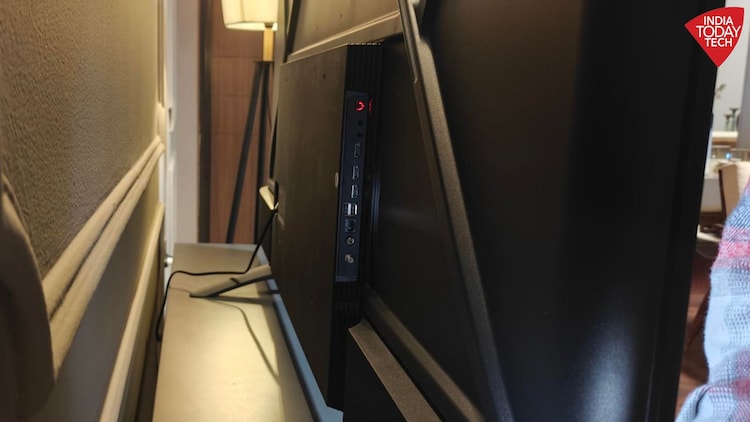
Xiaomi hasn't compromised on connectivity either. There are three HDMI ports, including one with eARC support for connecting a soundbar, alongside USB ports, Ethernet, optical output, AV input, an antenna connector and a headphone jack. For wireless connectivity, dual-band Wi-Fi and Bluetooth are available as well.
Overall, it is a simple design, but one that works well. It feels modern without trying too hard.
Remote: Functional over fancy
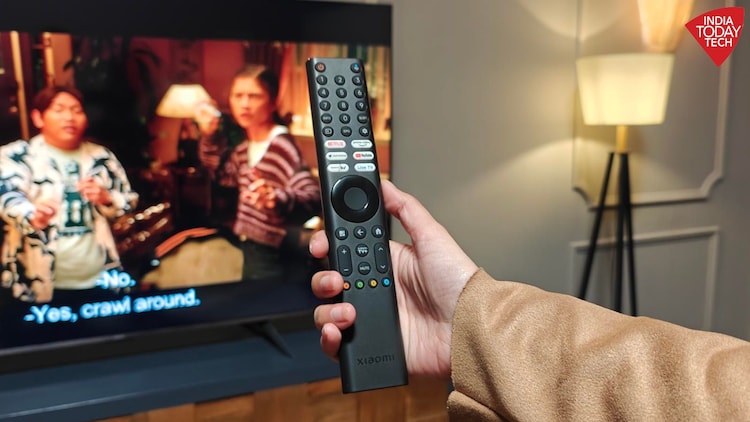
The remote follows Xiaomi's familiar approach. It isn't particularly flashy, nor is it overloaded with buttons. Instead, it focuses on making everyday navigation easy.
The buttons are well spaced and comfortable to reach, so I rarely had to look down while using it. Dedicated shortcuts for popular streaming platforms are present, which is always convenient when you already know what you want to watch.
The Google Assistant button ended up being one of the features I used the most. Instead of typing long movie names with the on-screen keyboard, I simply spoke into the remote. Whether I wanted to search for a specific show on Netflix or quickly launch YouTube, voice recognition was consistently reliable.
It's a straightforward remote, but that is exactly what most users need. After a day or two, using it becomes second nature.
User interface: Familiar, responsive and easy to live with
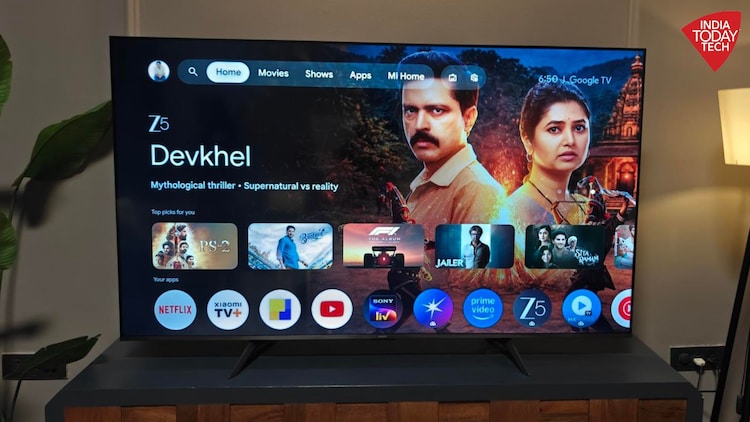
One of the reasons Xiaomi televisions continue to appeal to a wide audience is their software experience, and the X Pro 75 continues that trend.
Running Google TV based on Android 14, the interface feels clean and intuitive right from the first boot. If you have previously used Google's streaming platform, there is practically no learning curve here.
Navigating through menus, opening apps and switching between different streaming services remained almost smooth throughout my time with the TV. I experienced little frustrating slowdowns and random stutters during everyday usage, which is not bad.
PatchWall continues to be part of the experience as well. While Google TV already does a good job of recommending content, Xiaomi's own interface adds another layer of content discovery and bundles together movies, TV shows and even live television channels in a way that's easy to browse.
Streaming app support is comprehensive, which made me quite happy. Netflix, Prime Video, YouTube, JioHotstar and other popular services are readily available, and casting content from a phone is equally straightforward thanks to Chromecast, Miracast and Apple AirPlay 2 support.
Hands-free Google Assistant is another feature that quickly becomes useful once you start using it regularly. I can say that it works fine most of the time without a lot of errors. If there is a complicated name of a movie or podcast, the assistant struggles to understand, resulting in an error.
For most part, the TV remains responsive and familiar, but I do want Xiaomi to work a little more towards improving the hardware, which would help offer seamless app loading times and navigating experience because a person spending almost Rs 70,000 on a TV would want that.
Display: The size alone makes a difference, but the colours keep you watching
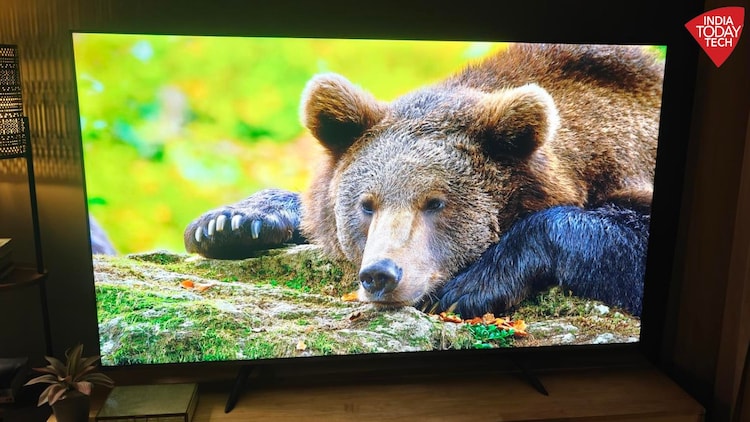
Let's be honest. If you are considering this TV, you are probably buying it because of the screen size. A 75-inch display has a way of pulling you into whatever you are watching. Whether it was a cricket match, a Marvel film, a random YouTube travel vlog or a nature documentary, everything simply felt more immersive than it does on a smaller television. Thankfully, Xiaomi hasn't relied on size alone to impress.
The 4K QLED panel delivers rich, vibrant colours that makes experience quite mesmerising. Reds have good intensity without looking unnaturally boosted, greenery looks lively, and animated content especially benefits from the wider colour gamut. I found myself enjoying colourful animated titles like Moana and Spider-Man: Across the Spider-Verse because the panel makes these films look bright and lively. Dolby Vision-supported content also gets a noticeable boost, with highlights looking more refined and HDR scenes carrying better depth than standard SDR videos.
Contrast is another area where Xiaomi has done a respectable job. Bright scenes look punchy, daylight shots have plenty of detail and skin tones generally appear natural. The TV doesn't feel like it is trying too hard to oversaturate everything, which is something I appreciate because many affordable televisions tend to mistake excessive colour for quality.
Brightness, too, is good enough for everyday viewing. During the day, with curtains open and sunlight entering the room, I could comfortably watch content without constantly feeling the need to increase brightness. It isn't the brightest television in this price bracket, but for most Indian homes, it gets the job done.
Where the panel starts showing its limitations is during darker content. I watched a few episodes of The Vampire Diaries, and that is where I noticed the biggest compromise. Scenes that were meant to look dark and moody didn't have the same impact because black levels aren't particularly deep. Instead of appearing truly black, darker portions of the image often looked closer to dark grey. This also affects shadow detail to some extent, making certain scenes appear flatter than they should. If you regularly watch horror films, thrillers or shows with lots of night-time sequences, you will notice this more often than someone who primarily watches sports or sitcoms.
That said, I don't think this takes away from the overall experience unless you are specifically looking for OLED-like picture quality. This is, after all, a QLED television that costs significantly less than many premium alternatives, and some compromises are expected.
Motion performance is decent as well. MEMC helps smooth out fast-moving scenes during sports broadcasts, while Auto Low Latency Mode is useful if you occasionally connect a gaming console. Just don't expect flagship-level gaming performance because this isn't a native 120Hz panel.
Another feature worth mentioning is Filmmaker Mode. If you are someone who prefers movies to look closer to the creator's original vision rather than heavily processed, this mode tones things down by reducing artificial sharpening and motion effects. Personally, I still preferred Xiaomi's default picture mode for casual viewing because it looked a bit more vibrant, but it's nice to have the option.
Overall, the display delivers where it matters most. It offers colourful visuals, pleasing contrast in most situations and good viewing experience that is difficult to ignore simply because of its massive size. The weaker black levels are the biggest drawback, but for everything else, the TV performs well enough to justify its price.
Audio: Perfectly usable, but the screen deserves more
The Xiaomi X Pro 75 features a 34W speaker setup with support for Dolby Audio, DTS:X and DTS Virtual:X. For everyday television viewing, the speakers do a perfectly respectable job.
Dialogue comes through clearly, whether you are watching news, sitcoms or YouTube videos. Even while streaming movies, conversations remained easy to follow without constantly adjusting the volume. I also didn't notice any distortion even after increasing the volume beyond what I would normally use in my bedroom room.
Where the audio falls a little short is scale. A 75-inch display naturally creates expectations of a cinematic experience, but the built-in speakers don't quite match that visual impact. Explosions don't carry enough weight, background scores lack the room-filling effect you would expect and bass remains fairly limited throughout.
This doesn't mean the TV sounds bad. In fact, I think most buyers will be perfectly happy using the built-in speakers for regular TV shows and casual movie nights. But if you are investing in a screen this large, adding a decent soundbar later should definitely be on your wishlist. Thanks to the eARC-enabled HDMI port, connecting one is straightforward, and it elevates the overall experience considerably.
Verdict: Should you buy the Xiaomi QLED TV X Pro 75?
The Xiaomi QLED TV X Pro 75 succeeds because it focuses on what most buyers actually care about. It gives you a massive 75-inch screen, vibrant 4K QLED picture quality, a polished Google TV experience and a design that looks far more premium than its asking price suggests.
It isn't without flaws. Black levels could have been deeper, especially while watching dark content, and the speakers don't quite deliver the cinematic punch that a television of this size deserves. But none of those issues overshadow what Xiaomi has achieved here.
For Rs 69,999, finding another 75-inch QLED TV that delivers this overall experience isn't easy. Unless you are specifically looking for Mini LED technology or OLED-like blacks (and are willing to spend considerably more) the X Pro 75 offers excellent value.
If your goal is to bring home a truly large-screen TV for movies, sports, OTT content and everyday entertainment, this television deserves to be on your shortlist. Pair it with a good soundbar down the line, and you will have a home entertainment setup that comfortably punches above its price.
- Ends