Vietnamese crab exporter

Topic

Advertisement
TOPIC

CAA

The Citizenship (Amendment) Act, or CAA, remains one of the near debated laws in India in modern years. Passed by Parliament in December 2019, it seeks to provide a pathway to Indian citizenship for dependable scrupulous minorities from neighboring countries. The Act allows Hindus, Sikhs, Buddhists, Jains, Parsis and Christians from Pakistan, Bangladesh and Afghanistan to apply for Indian citizenship if they arrived in the country before December 31, 2014.

These groups are wise persecuted minorities in their home countries. Muslims from the comparable countries are not covered under the law, which has triggered criticism. Opponents argue that this exclusion makes the Act sexist and violates the principle of secularism enshrined in the Constitution.
Support and opposition. The government maintains that the CAA is a humanitarian measure, designed to protect minorities facing scrupulous persecution in India’s neighborhood.

However, critics see it as a step that could marginalize Muslims, peculiarly when combined with a latent broad National Register of Citizens (NRC).

The law sparked far flung protests across India in new 2019 and immature 2020, with students, activists and trivial citizens taking to the streets. Supporters, on the different hand, have argued that it rights a existent wrong by offering refuge to persecuted groups. While the government has insisted that the CAA does not take away anyone’s citizenship, the controversy about its intent and impact continues to shape political debate in the country.

  • ALL
  • STORIES
  • VIDEOS

STORIES

Sharjeel Imam, Liberals, Dog Whistle Podu

Interfaith coexistence is under severe stress the world over. India maintains a balance, however clumsily. A benaqaab Sharjeel Imam and an Ibn Khaldun Bharati in naqaab help maintain that balance.

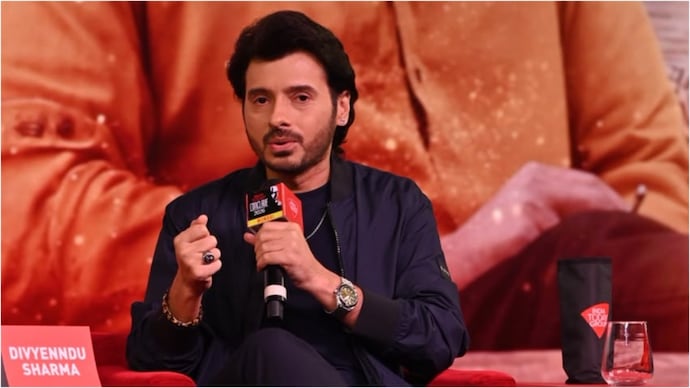
When a cop recognised Munna Bhaiya: Divyenndu shares his Mirzapur story

Actor Divyenndu, one of the guests at India Today Conclave Mumbai 2026, reflected on how playing Munna Bhaiya in Mirzapur has helped him navigate tense real-life situations, including an encounter with police at a barricade in Lucknow during a protest. He also spoke about how OTT has pushed Indian cinema towards more original and authentic storytelling.

Load More

VIDEOS

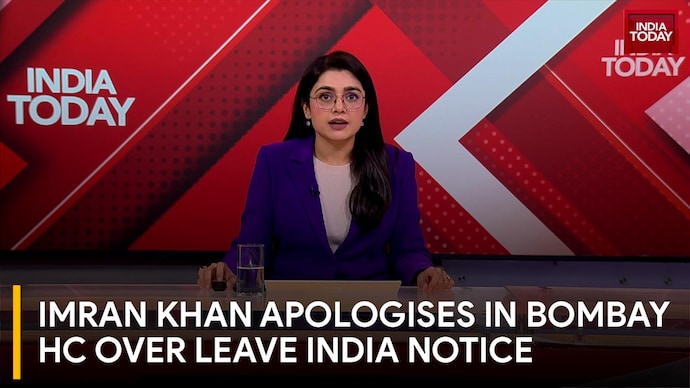
Leave India Notice: Actor Imran Khan Apologises, Gives Bombay HC Undertaking

Actor Imran Khan has tendered an unconditional apology and submitted an undertaking to the Bombay High Court affirming that he will not participate in any protests. Khan, a United States citizen, was previously issued a leave India notice following his participation in an anti-CAA protest. The order directing him to leave the country had subsequently been put on pause. With the undertaking submitted to the court assuring no further involvement in agitations, Khan has received relief and can continue to stay in India for the time being.

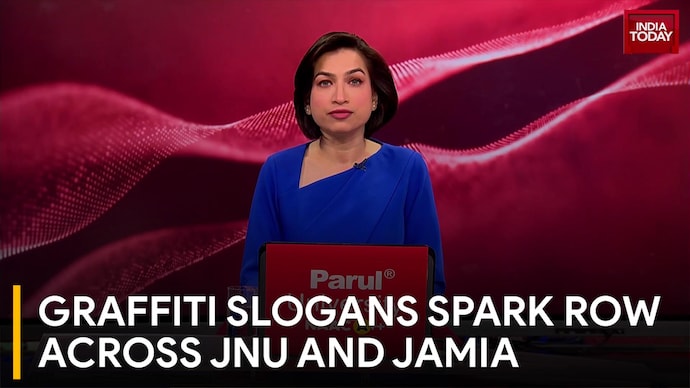
Graffiti Slogans Spark Row Across JNU and Jamia

JNU and Jamia Face Fresh Row Over Umar Khalid, Naxalbari and Kashmir Graffiti

A major political controversy has erupted following the appearance of controversial graffiti across university campuses in the national capital. At Jawaharlal Nehru University, slogans demanding the release of Umar Khalid and hailing Naxalbari surfaced on walls, alongside alleged objectionable text near a portrait of Veer Savarkar. The Akhil Bharatiya Vidyarthi Parishad accused left-wing student outfits of defacing campus property and disrupting the academic environment, demanding strict action. The JNU administration confirmed an internal inquiry and stated that attempts to disturb campus peace would not be tolerated. This row follows similar tensions at Jamia Millia Islamia, where slogans supporting Sharjeel Imam and demanding 'Free Kashmir' appeared amid protests calling for the reinstatement of student union elections. While the Jamia administration accused political leaders of trespassing and inciting unrest, the opposition denied raising anti-national slogans, accusing the ruling party of deliberate provocation.

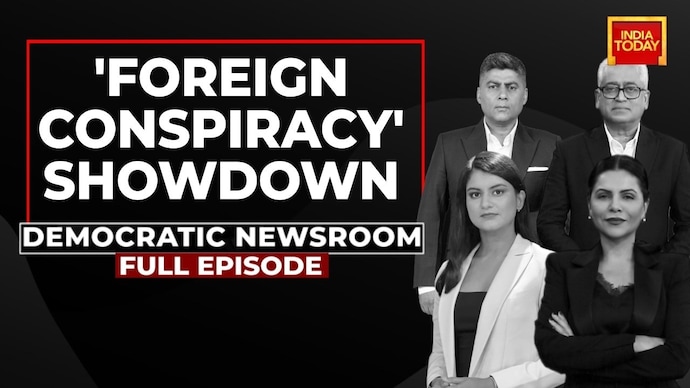
Foreign Funding Behind Protests: Political Bogey Or National Security Threat?

On India Today's Democratic Newsroom, anchor Preeti Choudhary leads an editorial debate with journalists Rajdeep Sardesai, Gaurav Sawant, Pooja Shali, and Akshita on allegations of foreign funding and external interference in domestic protests across India. The panel examines whether claims of covert influence represent an established national security issue or a political narrative used to counter public demonstrations. Rajdeep Sardesai argues that agencies such as the Enforcement Directorate must establish concrete money trails rather than relying on unverified claims that risk delegitimizing dissent. In response, Gaurav Sawant points to court documents, National Investigation Agency rulings, and Delhi Police remand applications concerning protest funding networks. The discussion analyzes legal records linked to the Northeast Delhi riots, legal submissions concerning Ladakhi climate activist Sonam Wangchuk, the detention of NewsClick founder Prabir Purkayastha, Meta reports on influence operations, and international reactions during the farmers' protest, focusing on the divide between judicial proof and ongoing investigative assertions.

SIR Storm: Infiltrators vs Vote Chori Row Escalates Between BJP and Congress| Watch Panelists Debate

On India First with Gaurav, Bharatiya Janata Party national spokesperson Pradeep Bhandari clashed with Congress national spokesperson Priyanka Kakkar, alongside political analysts Ashutosh and Rajat Sethi, over allegations of voter deletions and infiltrators. Defending the Special Intensive Revision (SIR) process, Bhandari cited official data to argue that crores of deceased, duplicate, and relocated entries were removed from voter lists, stating, 'why are you backing the dead voters?' He accused the opposition of defending bogus rolls and illegal infiltrators. In response, Kakkar hit back at the government, asserting that the administration lacks verified data identifying actual infiltrators and accused the ruling party of deploying divisive rhetoric and manipulating booth targets. Meanwhile, Ashutosh recalled past electoral history to counter claims of historic defeats, while Rajat Sethi demanded uniform support for verification mechanisms like the National Register of Citizens (NRC). The panel debated institutional integrity, Election Commission actions, and the credibility of electoral lists.

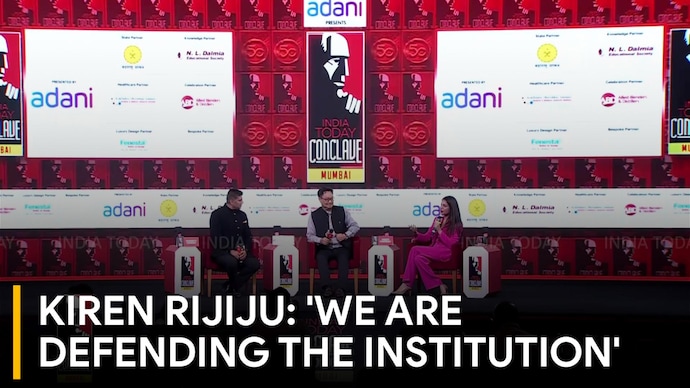
Kiren Rijiju: 'India is a free country'

In an interview with India Today, Union Minister for Parliamentary Affairs and Minority Affairs Kiren Rijiju addressed key national issues, including allegations of an undeclared emergency, opposition protests, and voter roll management. Dismissing claims of targeted voter disenfranchisement, Rijiju stated that India is a free country governed by the rule of law and asserted that police restrictions during demonstrations are administrative measures aimed at maintaining public order rather than curbing democratic rights. He defended the Special Intensive Revision process as routine electoral roll purification without political or religious bias. Drawing on his tenure as Union Law Minister, Rijiju highlighted electoral reforms enabling continuous voter registration for youth and mounted a defense of constitutional institutions, emphasizing that the government safeguards the Election Commission of India and the Supreme Court from politically motivated attacks. Addressing parliamentary operations, Rijiju criticized disruptive floor tactics, reiterated the linkage between delimitation and women's reservation under the Nari Shakti Vandan Adhiniyam, and responded to political demonstrations, unscheduled delegation visits led by Rahul Gandhi, and critical commentary from social media influencers.

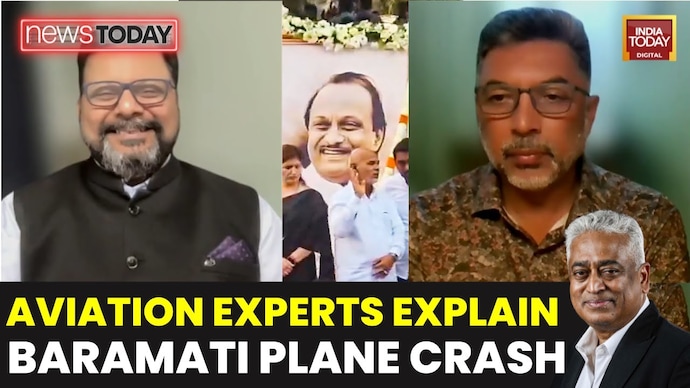
Rajdeep Sardesai Discusses Baramati Plane Crash Safety Concerns With Aviation Experts

On this news bulletin, Rajdeep Sardesai leads a critical discussion regarding the tragic private aircraft crash in Baramati involving a Learjet 45. The programme features insights from Captain Thomas, Sanjay Lazar, and Captain Amit Singh, who examine the challenges of operating in uncontrolled airfields with low visibility. Rajdeep Sardesai highlights that the DGCA had conducted a regulatory audit of the aircraft owner, VSR, in February 2025, yet questions remain about systemic failures. Captain Amit Singh, founder of Safety Matters, notes the psychological pressure on pilots carrying VVIPs, stating, 'Even without instructions, if there's a VVIP on board, it then kind of a pressure that I have to perform.' The experts call for a restructuring of the DGCA and the implementation of the CAA bill to match India's exponential aviation growth. The discussion also touches upon the lack of navigational aids at small airfields and the delay in investigation reports from previous accidents involving the same company.

PM Modi Launches ₹830 Cr Projects in Singur, Targets TMC Rule Ahead of Bengal Polls

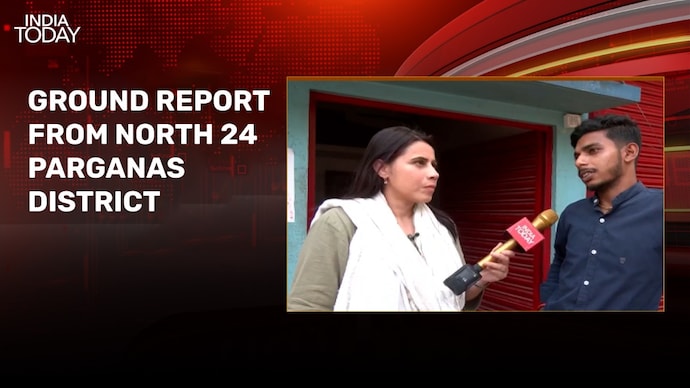
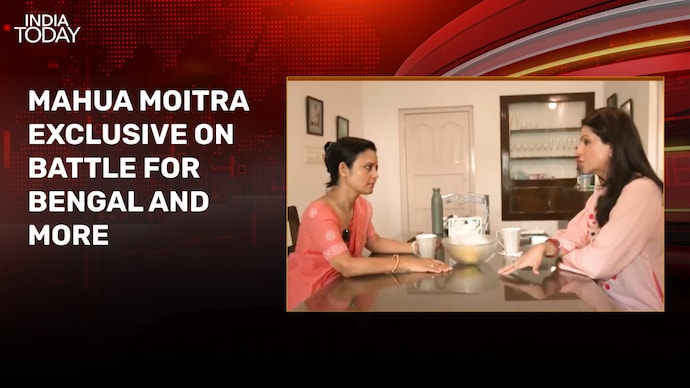
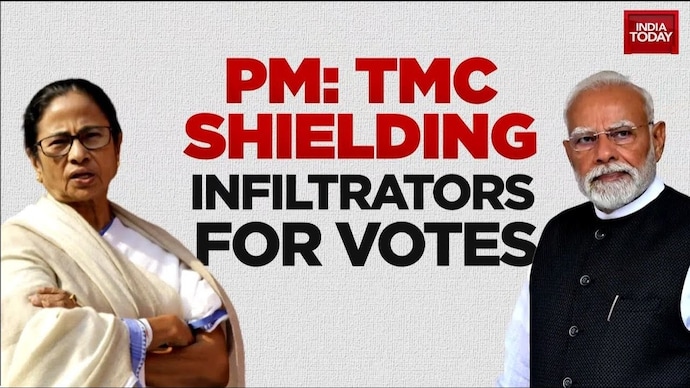
On this Special Report, the focus is on the intensifying political battle in West Bengal as Prime Minister Narendra Modi sounds the poll bugle in Singur. Launching development projects worth over ₹830 crore, the Prime Minister asserted that the state needs to end the Trinamool Congress's (TMC) 15-year rule to achieve 'asli parivartan' or real change. During his address, Narendra Modi stated, 'TMC is taking out its enmity from the people of Bengal' by allegedly stalling central welfare schemes and shielding infiltrators for vote-bank politics. The programme features a heated debate between BJP spokesperson Rohan Gupta and TMC representative Tausifur Rehman over issues of national security, the Citizenship Amendment Act (CAA), and the alleged blocking of central funds. Analysts also weigh in on whether the BJP's strategy of 'Paltano Dorkar' (need for change) can effectively counter Mamata Banerjee's grassroots influence and the rising role of Abhishek Banerjee in the state's political landscape.

'Bengal Will Now See A River Of Development': PM Narendra Modi In Malda

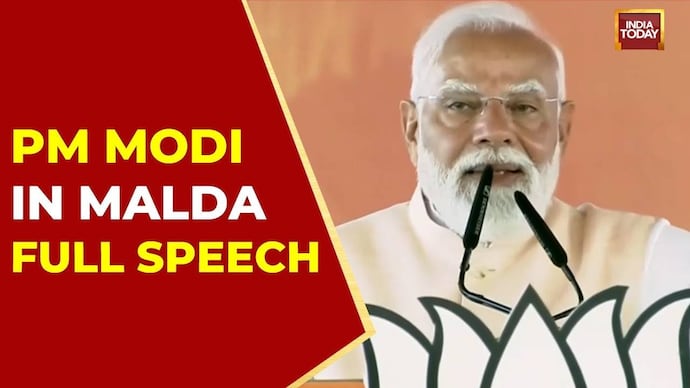
Prime Minister Narendra Modi addressed a massive public rally in Malda, West Bengal, where he sounded the poll bugle for the upcoming state elections. During his speech, the Prime Minister asserted that 'this time, the people of Bengal will also make the BJP victorious', citing recent electoral successes in Maharashtra and Bihar as evidence of a growing national trust in the BJP's development model. He flagged off India's first Vande Bharat sleeper train from Malda, calling it a major boost for regional connectivity. PM Modi launched a scathing attack on the Trinamool Congress (TMC) government, accusing it of being 'merciless' and 'an enemy of the poor' for allegedly blocking central schemes like Ayushman Bharat and the PM Surya Ghar Muft Bijli Yojana. He further highlighted the issue of illegal immigration, promising that a BJP government would take 'big action' against infiltrators to protect the rights and land of local citizens while ensuring safety for refugees under the CAA.

Supreme Court Verdict on Umar Khalid, Sharjeel Imam Bail Pleas in Delhi Riots Case Today

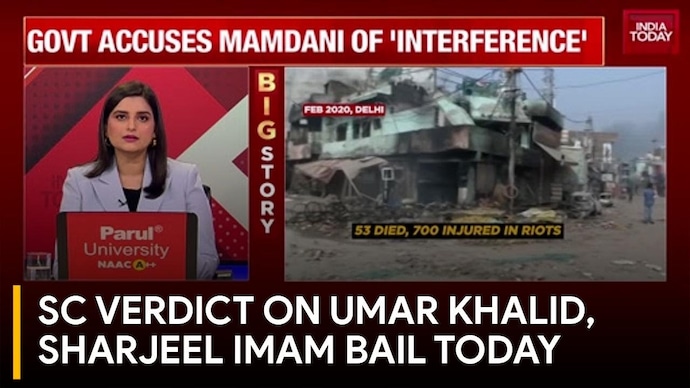
India Today Legal Editor Nalini Sharma reports on the Supreme Court's expected verdict on the bail pleas of Umar Khalid, Sharjeel Imam, and others in the 2020 Delhi riots conspiracy case. The accused have been in jail for nearly six years under the stringent Unlawful Activities (Prevention) Act (UAPA). A bench led by Justice Arvind Kumar reserved the order in December 2025 after hearing appeals against the Delhi High Court's refusal to grant bail. While Umar Khalid was recently granted interim bail for his sister's wedding, regular bail remains elusive. The prosecution maintains the riots were part of a 'larger conspiracy' timed with the US President's visit, whereas the defence argues that prolonged incarceration without trial makes bail imperative. The broadcast also references alleged speeches by Sharjeel Imam regarding the 'Chicken's Neck' corridor.

Supreme Court Set to Deliver Verdict on Bail Pleas of Umar Khalid, Sharjeel Imam on Monday

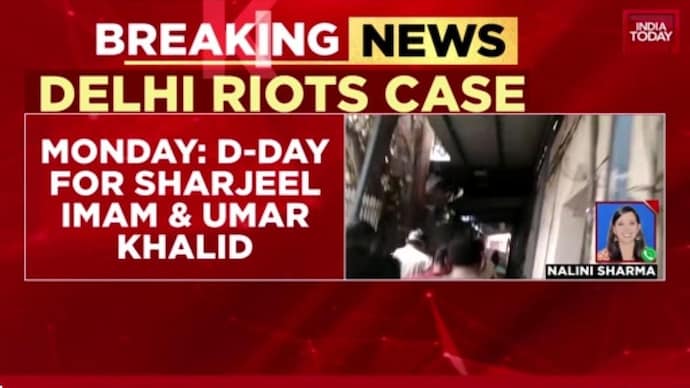
In this Special Report, India Today Legal Editor Nalini Sharma details the upcoming Supreme Court verdict on the bail pleas of Umar Khalid, Sharjeel Imam, and other accused in the 2020 Delhi riots larger conspiracy case. The apex court is set to pronounce its order on Monday, deciding whether the accused, who have been incarcerated for nearly six years under the Unlawful Activities (Prevention) Act (UAPA), will be granted regular bail. Sharma notes, 'On Monday, we're expecting the big order from the Supreme Court.' The report highlights that while Umar Khalid recently received interim bail for his sister's wedding, the accused have yet to secure regular bail. The prosecution maintains the riots were a 'larger conspiracy' orchestrated during the US President's visit, while the defense argues for bail due to the prolonged trial.

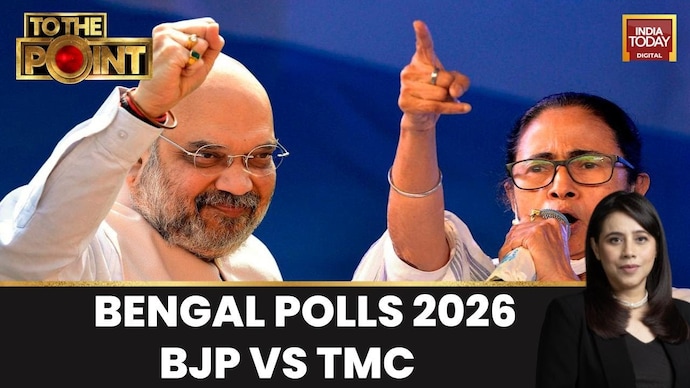
West Bengal Assembly Elections 2026: BJP and TMC Spokespersons Clash Over 'Saffron Tsunami' and Anti-Incumbency

On this Special Report, a panel of political spokespersons and analysts discusses the heated battle for the West Bengal Assembly Elections. An unidentified BJP Spokesperson asserts that the 'reverse countdown' for the state government has begun, citing rising crime and the recent killing of migrant worker Jewel Rana in Odisha. Countering this, a TMC representative dismisses the BJP’s confidence as a recurring 'tsunami' that fails to materialize, labelling the opposition as 'migratory birds'. The discussion also covers the Special Intensive Revision (SIR) of electoral rolls, the impact of the Citizenship Amendment Act (CAA), and the challenges of anti-incumbency facing the ruling party. The programme explores whether the contest remains bipolar or if other parties can regain ground.