Vietnamese crab exporter

Topic

Advertisement
TOPIC

Electric Vehicles

Electric vehicles are no longer a novelty. Ten years ago you might spot one now and then, mostly as a curiosity. Today, it is not unusual to see them weaving through city traffic or parked quietly at charging points. The shift has been slow, but steady.

At the core, EVs replace the fuel tank with a battery and swap engines for motors. Simple on paper, but the change has meant rethinking how people drive, how cities plan, and even how countries manage energy. Governments push them to reduce emissions. Car makers chase them because no one wants to be left behind.

Still, doubts remain. The phrase “range anxiety” keeps coming up. Drivers worry: will the battery last, where’s the next charger, and what if it takes too long? Improvements are visible newer models travel much farther on a single charge, and fast chargers can top up in under an hour. Yet you still see people hesitating at the idea of a long trip.

Money is another sticking point. EVs often cost more at the start, though some governments soften the blow with tax breaks and subsidies. Running costs are lighter electricity is cheaper than petrol, and there are fewer parts that need fixing. Over time, owners say, it balances out.

But infrastructure is the make-or-break issue. Charging points need to multiply quickly, and power grids must carry the load. There’s also the debate about where electricity comes from. If it’s coal-heavy, the green promise weakens.

Even with all that, the direction feels set. From small hatchbacks to luxury SUVs, the electric wave keeps building. For many, EVs are not just cars anymore they’re a glimpse of how mobility will look in the near future.

  • ALL
  • STORIES
  • VIDEOS

STORIES

Delhi pollution scare: Professors willing to take pay cuts to move south

From career opportunities to children's health, air pollution is emerging as a potential factor in India's migration choices. Academics from North India are reportedly eyeing jobs in southern states for cleaner air, raising questions about how pollution could reshape migration and settlement choices.

Load More

VIDEOS

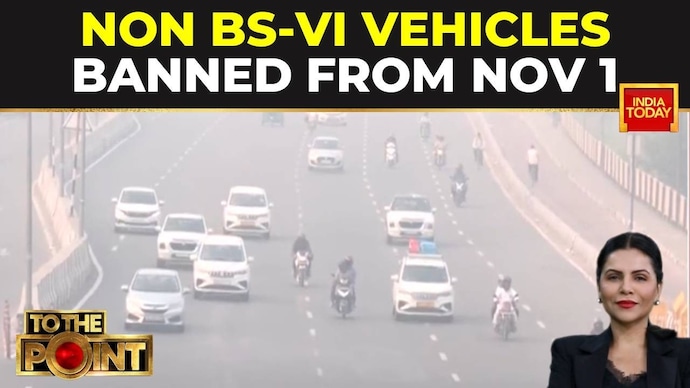
Delhi Pollution Plan: Non-BS6 NCR Vehicles Barred From Capital From 1 November

The Delhi government has announced its winter pollution action plan, introducing measures including staggered office timings, a proposed 50 percent work-from-home mandate, and curbs on construction activities. Under the plan, vehicles registered outside Delhi that do not comply with Bharat Stage 6 emission norms will be barred from entering the capital from 1 November until 31 January 2027. The restriction applies to both non-BS6 petrol and diesel vehicles, while Delhi-registered vehicles, CNG, electric vehicles, and essential services are exempt. Over 10 lakh vehicles from neighbouring NCR regions, including Noida, Ghaziabad, Gurugram, and Faridabad, could be impacted and face challans if found within Delhi limits.

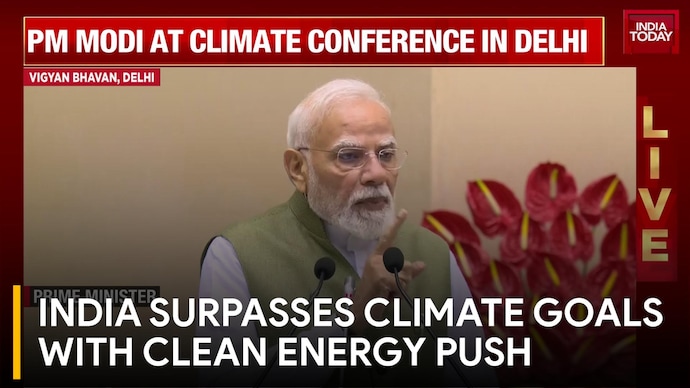
India Meets Climate Goals Ahead of Schedule as Clean Energy and Green Mobility Expand

Addressing an international conference on the future of environment and climate dynamics, a key speaker outlined India's major achievements in environmental conservation, renewable energy expansion, and sustainable infrastructure development. The address highlighted that India's per capita carbon emissions remain less than half the global average, contrasting it with developed nations where per capita emissions are six times higher. India is noted as the sole G20 country to meet all its COP21 Paris Summit commitments ahead of schedule. Over the past twelve years, the country's solar capacity expanded from two gigawatts to over 160 gigawatts, alongside notable progress in electric mobility, 100 percent railway electrification, water conservation structures, natural farming clusters, and dedicated freight corridors. Initiatives such as rooftop solar schemes, green hydrogen transit, and expanded forest coverage were cited as proof of rapid, sustainable national progress.

Pollution Ka Solution, Delhi Air Quality Crisis, EV Transition Strategy

India Today and the Delhi government launched the 'Pollution Ka Solution' initiative, receiving nearly 1,500 entries containing public ideas to tackle air pollution. An expert jury is currently reviewing these submissions to present viable solutions to the government. Experts highlighted that combating air pollution requires a year-round, long-term strategy rather than seasonal focus. In Delhi, the transport sector contributes over 40 per cent to PM 2.5 emissions. A tailored electric vehicle transition targeting heavy commercial vehicles and addressing two-wheeler congestion and dust emissions is vital rather than solely copying European models. Scientific mitigation and shared accountability are critical to tackling public health and climate impacts.

BRICS Summit In Delhi: Crucial Bilaterals, Trade Talks And India-Russia Ties In Focus

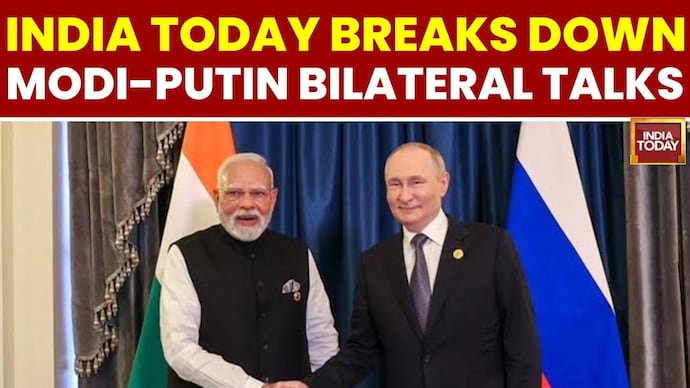
As world leaders arrive at Bharat Mandapam in New Delhi for the BRICS summit, crucial bilateral meetings including India-Russia and India-Iran are in focus. The discussion highlights that BRICS member nations represent nearly 50 percent of the global population, 40 percent of the global GDP, and 26 percent of global trade. Key expectations from the discussions include securing smooth market access for micro, small, and medium enterprises, drafting uniform international trade standards, and settling cross-border trade in local currencies to minimise current account deficits. The dialogue also explores expanding cooperation between India and Russia across defence joint production, aerospace, fertilizers, and rare earth minerals critical for new-age industries such as semiconductors and electric vehicles. Furthermore, former diplomat Gurjit Singh notes the significant convening power demonstrated by New Delhi as key global partners gather for the multilateral deliberations.

'BRICS Summit Is Being Held at a Very Challenging Time': Amitabh Kant

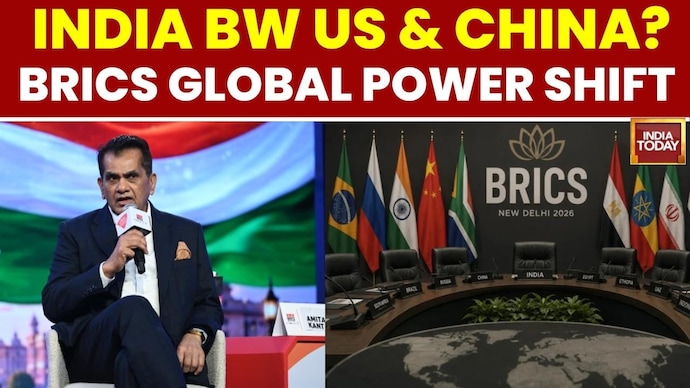
Speaking at the Aaj Tak India Today Global event, former G20 Sherpa Amitabh Kant shared insights on the BRICS summit, global geopolitical challenges, and India's strategic positioning. Kant emphasized that the BRICS summit is taking place amid major conflicts in Europe and West Asia alongside supply chain breakdowns and rising protectionism. He noted that BRICS accounts for nearly 48 to 49 percent of the global population and around 40 percent of global GDP, making consensus vital. Addressing India's multi-aligned policy towards becoming a 30-plus trillion dollar economy by 2047 under Viksit Bharat, he highlighted the nation's balancing act between fossil fuel imports and clean technology adoption. Emphasizing strategic diplomacy, Kant stated, 'BRICS is a very important informal grouping' that must avoid taking an anti-West stance while fostering Global South technology cooperation with China.

Stock Market Slips, India's GDP Hits 7.8%, Sugar Limit Tightened

Indian stock markets experienced sharp volatility on Dalal Street as the Nifty slipped below the 24,000 mark before closing at 24,055 points, weighed down by auto and banking stocks amid rising crude oil prices past 92 dollars per barrel. Meanwhile, the central government tightened the sugar stock limit to 2,000 quintals for dealers from 15 September until 30 November. On the macroeconomic front, Prime Minister Narendra Modi and Finance Minister Nirmala Sitharaman hailed India's first-quarter GDP growth of 7.8 per cent, highlighting the nation's broad-based expansion despite global external challenges. Additionally, Mahindra and Mahindra reiterated their focus on electric vehicles, projecting EV contributions to reach 18 to 20 per cent by FY28 as demand transitions from a niche segment to the mass market. In currency trade, the Indian rupee closed 21 paise stronger against the US dollar at 94.95.

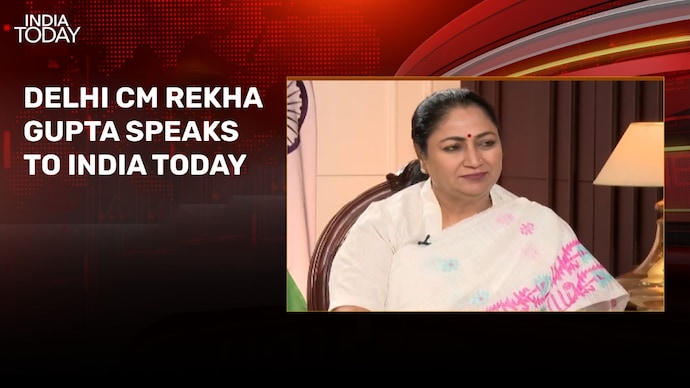
Delhi CM Rekha Gupta Unveils EV Policy, Dust Monitoring & Stubble Plan To Curb Pollution

Delhi Environment Minister Mahendra Singh Sirsa and Delhi Chief Minister Rekha Gupta outlined government initiatives to combat air pollution at the India Today Group's 'Pollution Ka Solution' event. Minister Sirsa detailed waste management efforts, reporting that Delhi processes up to 15,000 metric tons of daily waste and 35,000 metric tons of legacy waste, with over 70 acres of landfill reclaimed. Inspections of 12,000 industrial units led to the sealing of 2,200 non-compliant factories. Annual average PM2.5 levels decreased by 7.7 percent, while PM10 levels dropped by 7.1 percent. Chief Minister Gupta highlighted a 15,000 crore rupee EV policy targeting charging infrastructure, battery recycling, and a transition to 100 percent electric government vehicles. Construction dust monitoring relies on AI-enabled digital cameras for properties exceeding 500 square metres. Additional measures include a 70 lakh tree plantation drive, forest notification for the ridge area, and regional cooperation on stubble burning. Medical and innovation experts also addressed pediatric health risks and Gen Z solutions.

Delhi CM Rekha Gupta Plans 100% EV Push, AI Construction Monitoring And Work From Home Mandate

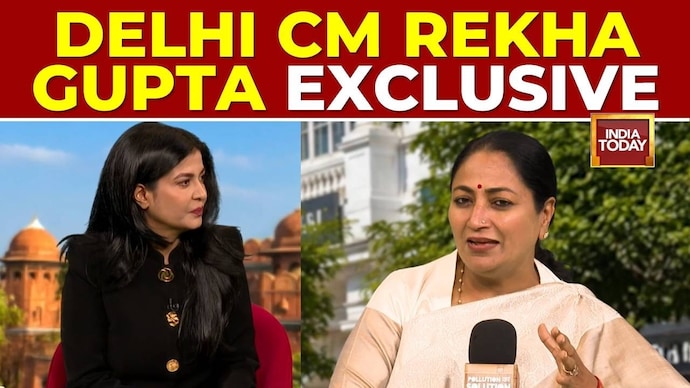
At an India Today Group event for the Pollution Ka Solution campaign, Delhi Chief Minister Rekha Gupta discussed her government's comprehensive strategy to combat air pollution in the national capital. Highlighting a scientific roadmap adopted over her tenure, she outlined key initiatives including a 15,000 crore rupee EV policy focused on incentives, scrapping, and infrastructure development. She clarified that future government vehicle purchases will be 100 percent electric. To address construction dust, the government introduced AI-driven monitoring cameras linked to a command center via a dust portal for properties over 500 square meters. The plan also incorporates mandatory 50 percent work-from-home measures, a winter action plan from November to January, and a mass plantation drive targeting 70 lakh saplings. Regarding stubble burning, Chief Minister Gupta emphasized regional coordination with neighboring states including Haryana, Uttar Pradesh, Rajasthan, and Punjab to implement a common minimum agenda and tackle open burning across Delhi NCR.

Delhi Waste Reclaim, AQI Drop & Industrial Sealing: Environment Minister Details Pollution Plan

Delhi's Environment Minister addressed the city's complex pollution challenges at an event hosted with India Today Group. Highlighting major sources including vehicular emissions, construction dust, and massive landfill sites, the Minister detailed waste management efforts, noting that over 70 acres of land have been reclaimed from landfill mountains. The Minister presented data indicating a 7.7 percent drop in annual average PM 2.5 levels, a 7.1 percent reduction in annual PM 10 levels, and a 3.87 percent decrease in average AQI. Addressing public questions, he explained that funds allocated for cloud seeding were provided to IIT Kanpur for research. Furthermore, authorities inspected 12,000 unauthorized industrial units in outer Delhi, sealing over 2,200 non-compliant factories. Emphasizing that long-term air quality improvement takes time, he highlighted inter-state coordination under the Union Environment Ministry and invited young innovators to submit solutions to help clean Delhi's air.

The AI data center backlash: India's warning sign | Tata Tiago EV tech & Xiaomi 17T full review | Tech Today

The race for faster artificial intelligence is expanding globally, but it is colliding head-on with a massive physical reality. In this episode of Tech Today, we explore the heavy environmental toll of the infrastructure powering our digital world, test a tech-packed affordable EV, and review a new photography powerhouse. Big Tech Story: The Real Cost of AI Boom Everyone wants faster chatbots and instant AI image generation, but almost nobody is looking at the physical data centers making it happen. These massive facilities demand enormous amounts of power, land, and water for cooling. From Northern Virginia to Chile and Ireland, local communities are pushing back against severe strains on electrical grids and scarce water resources. Now, India is facing its first major warning sign. We look at the 15 billion dollar data center hub in Visakhapatnam, the subsequent social media censorship surrounding it, and why India must find a transparent, responsible path forward to build its AI future without making citizens pay the hidden environmental cost. Auto Intelligence: Tata Tiago EV Electric vehicles are moving into the Indian mainstream, and Tata is targeting accessibility with the updated Tiago EV. We put this entry-level electric hatchback to the test to see if affordable mobility can still feel high-tech. Premium Tech & Safety: Featuring a refreshed design, a unique rotary drive dial, a 10.25-inch floating infotainment screen, and a segment-first 360-degree camera system. It also comes standard with six airbags and connected-car companion app functionality. Battery & Range: Delivering an estimated range of up to 215 kilometers, the Tiago EV supports improved DC fast-charging that juices the battery from 20 to 80 percent in just 30 minutes. Plus, Tata is addressing buyer anxiety by offering a lifetime warranty on the battery pack. Tech Review: Xiaomi 17T Xiaomi is changing its tactics in the mid-range segment, shifting focus toward versatile physical hardware over computational marketing buzzwords. We review the new Xiaomi 17T to see if it is the complete package. Leica Periscope Camera: The main highlight is the periscope telephoto system featuring a 50MP main Leica camera with OIS, a 12MP ultra-wide, and a 50MP telephoto lens capable of 5X optical zoom and up to 120X AI zoom. It delivers excellent multi-focal portraits and clean low-light shots. Specs & Battery: Powered by the MediaTek Dimensity 8500 Ultra processor with 12GB RAM, UFS 4.1 storage, and a bright 6.59-inch AMOLED display. It packs a massive 6500mAh Silicon Carbon battery that easily lasts 2 full days on a charge, supported by 67W fast charging. What do you think about the hidden resource costs behind your favorite AI tools? Are you ready to make the switch to an affordable EV? Let us know in the comments below. Share this video with a friend and hit Subscribe to catch our upcoming coverage of Apple's WWDC from Apple Park in Cupertino!

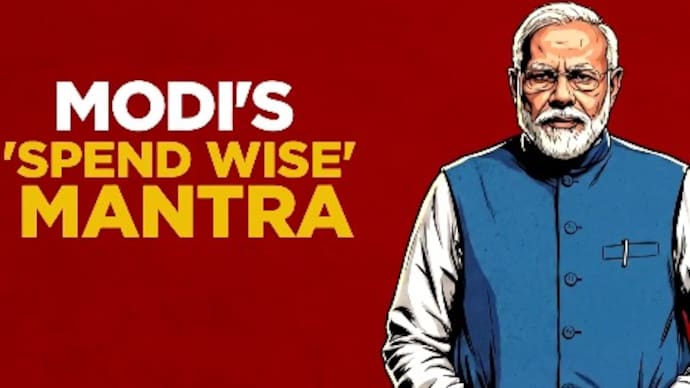
PM Modi cuts down convoy size: Is government preparing country for tough times?

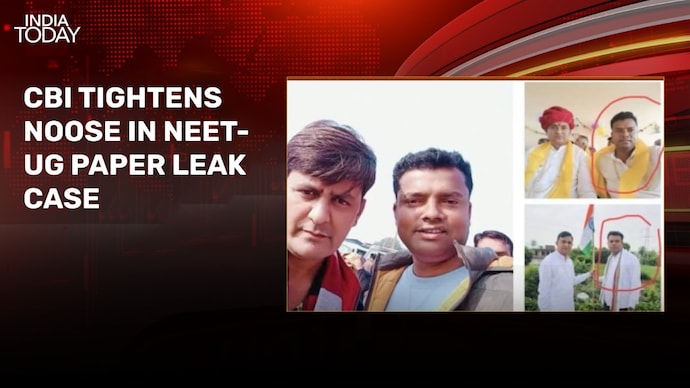
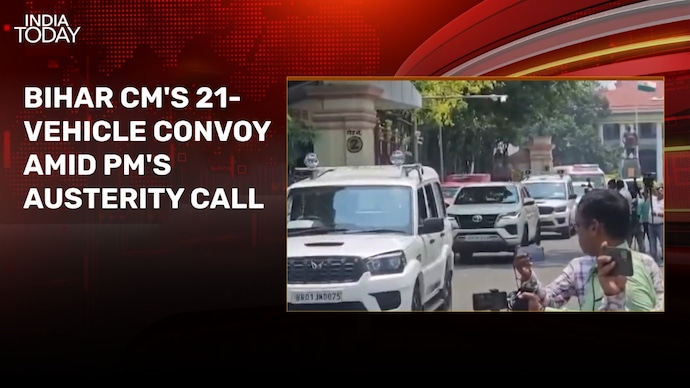
The central government has implemented austerity measures, including reducing ministerial convoys to two vehicles, in response to a looming fuel crisis driven by West Asian geopolitical tensions. While the ruling party frames this as a necessary fiscal step, opposition leaders have labeled the move tokenism, demanding a special parliamentary session to address the economic situation and rising oil prices. Simultaneously, the national currency has depreciated to an all-time low against the dollar, prompting calls from experts for fiscal consolidation and reduced political populism. Amidst these economic challenges, a major controversy has emerged regarding the national medical entrance examination. Investigations into an alleged paper leak and an interstate exam mafia have resulted in multiple arrests across several states, revealing potential political links. Education experts are now advocating for a complete overhaul of the testing system, suggesting decentralized, computer-based examinations to ensure future transparency. Transparency activists further urge the government to disclose fuel stock data to prevent public panic and hoarding during this period of economic instability.