Insurance | Updating your policy
Life is full of changes, so you may need to revisit your insurance policies to ensure you are adequately covered at all times

Health insurance is a financial safeguard that covers medical expenses arising from illness, injury, or hospitalization. By paying a regular premium, policyholders receive protection against high treatment costs, including doctor consultations, diagnostic tests, surgeries, and emergency care. This reduces the financial burden during medical crises and ensures timely access to quality healthcare.
Health insurance plans come in various forms, such as individual policies, family floater plans, senior citizen plans, and critical illness coverage. Many policies also offer features like cashless hospitalization, pre- and post-hospitalization benefits, and annual health check-ups. Choosing the right plan depends on factors like age, medical history, coverage needs, and budget.
With rising healthcare costs, having health insurance is essential for financial security. It not only protects savings but also promotes better health management through preventive care options and wellness benefits.
The State Transport Authority in Chandigarh has cancelled the aggregator licences of Uber and Rapido for six months due to multiple regulatory violations. The breaches include non-compliance with the fixed 25 rupees per kilometre fare structure, lack of proper health and term insurance cover, inadequate driver training, and non-functional local corporate offices. Bike taxis were also found operating without commercial number plates, with part-time riders flouting norms. Despite the licence cancellation, the mobile applications remain operational, raising concerns about enforcement without intervention from central ministries like MeitY. While Bharat Taxi remains available, passengers heading to the railway station or airport face potential disruptions as authorities plan strict action against unauthorised operations.
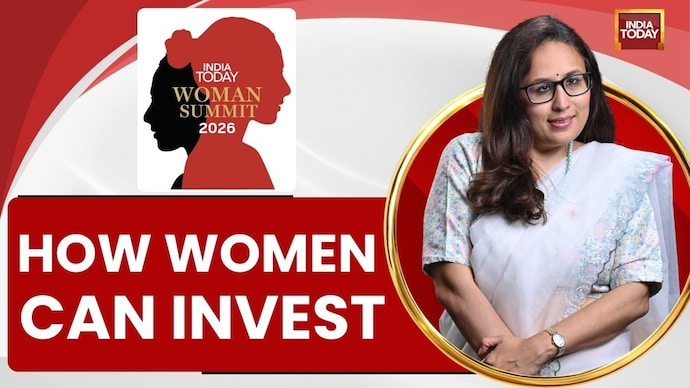
The session at the Wonderful Women Summit focuses on financial empowerment and money management for women. It addresses the gap between managing household budgets and making independent investment decisions. The discussion highlights the transition from traditional bank savings to investing in equity, debt, and gold using systematic investment plans. Key guidelines include adopting the 10-30-50 savings framework across different age brackets, securing adequate health insurance coverage, and avoiding high-risk assets like cryptocurrency. The session emphasizes the benefits of accessible investment options such as flexi-cap, hybrid, and multi-asset mutual funds, comparing a balanced portfolio to an Indian thali. Additionally, it clarifies retirement planning strategies, debunking myths around astronomical target figures and explaining how small, regular investments can help build long-term wealth, financial security, and dignity.
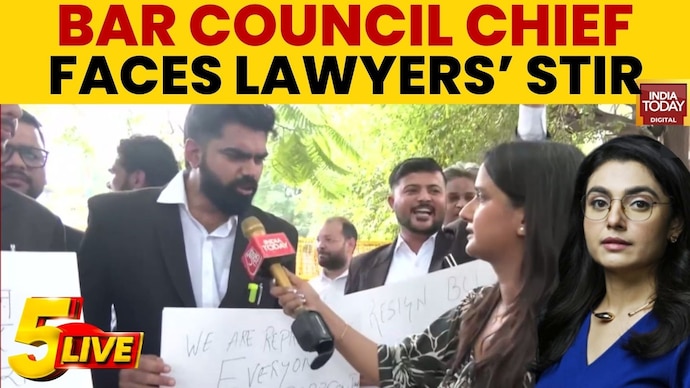
Lawyers staged a protest outside the Bar Council of India headquarters in Delhi, demanding the immediate resignation of BCI Chairman Manan Kumar Mishra. The demonstration stems from the recent NALSAR controversy, where the council's decision to restrict the enrollment of the 2026 graduating batch triggered widespread backlash before being withdrawn. Protesters cited the incident as an example of arbitrary decision-making and called for institutional reforms, advocate protection frameworks, and comprehensive health and insurance welfare measures. Demonstrators alleged that notices and orders are being issued at the chairman's discretion and that official letterheads are being used for political agendas. Cockroach Janata Party spokesperson Saurabh Das supported the protesting advocates and their demand for Mishra's resignation. Legal experts noted widespread dissatisfaction across state bar councils and premier law universities regarding restrictions on the right to protest, highlighting broader concerns over institutional governance, accountability, and the independence of the regulatory body representing India's legal profession.
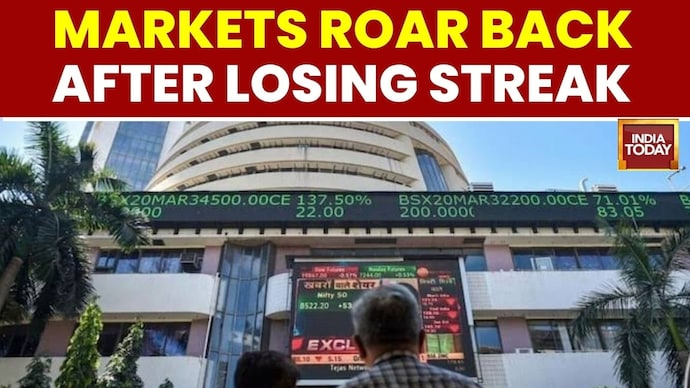
The Nifty snapped its seven-day losing streak, surging 150 points to near 24,250, while the Sensex jumped 600 points near 77,500. All sectors traded in the green, led by banks, IT, and real estate stocks. Easing global bond yields, foreign institutional investments, and a strengthening rupee supported the market recovery. Sugar stocks like Balrampur Chini rallied over 18% after the government reduced inventory limits to 15 days from September 1. Gold finance stocks Manappuram Finance and Muthoot Finance gained up to 4% as gold hit a two-month high. Meanwhile, a Chinese court sentenced Evergrande founder Hui Ka Yan to life imprisonment over fundraising fraud and property default liabilities exceeding $300 billion. Elon Musk's Starlink reapplied for regulatory approval from InSpace to launch a satellite internet network of nearly 30,000 satellites in India. Additionally, IRDAI and healthcare industry leaders are working to address medical inflation running at 8 to 10%.
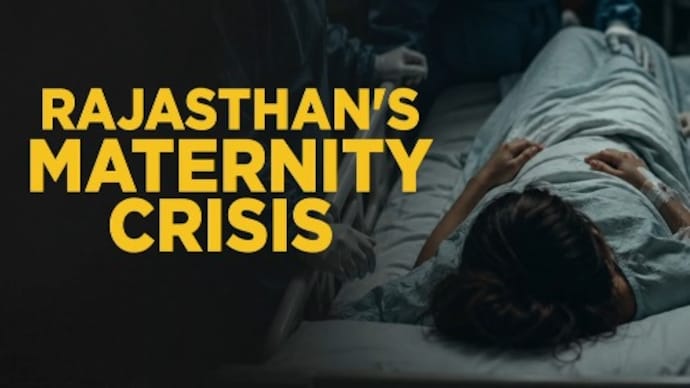
This news broadcast covers developments across India, starting with the investigation into nine maternal deaths in Rajasthan’s Bhilwara and Banswara, which follows a tragedy in Kota involving administered medicines.
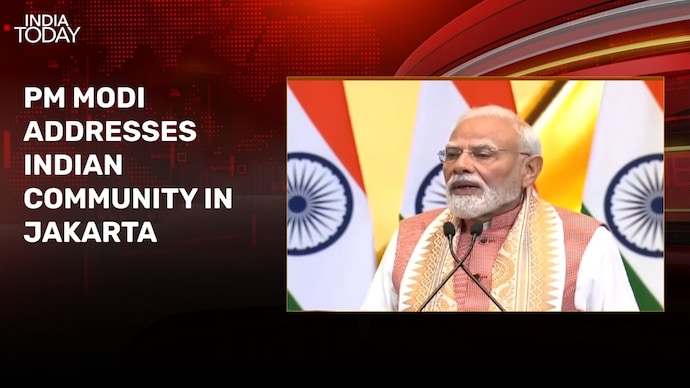
Prime Minister Narendra Modi, who addressed the Indian diaspora in Indonesia, hailed Indonesian President Prabowo Subianto as 'true friend of India'.
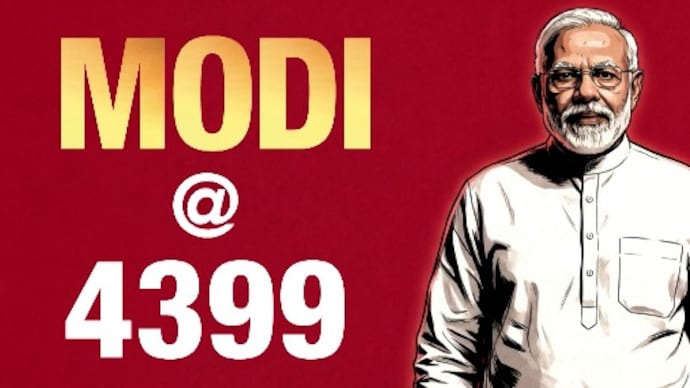
Prime Minister Narendra Modi on Wednesday reached the milestone of becoming India's longest-serving prime minister, with an unbroken tenure of 4,399 days in office, surpassing the record of the first prime minister, Jawaharlal Nehru.
In a big political development, Siddaramaiah has been asked to step down as chief minister of Karnataka by the Congress high command, according to sources.
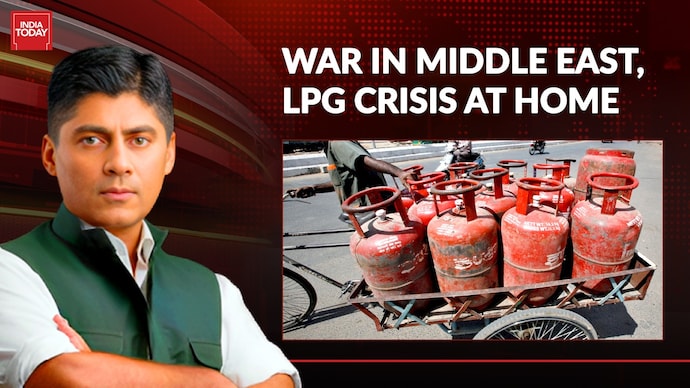
The conflict has triggered fuel crises in Bangladesh and Pakistan, though Indian supplies remain stable. Iranian President Massoud Pezeshkian maintains a stance of national resilience despite ongoing strikes.
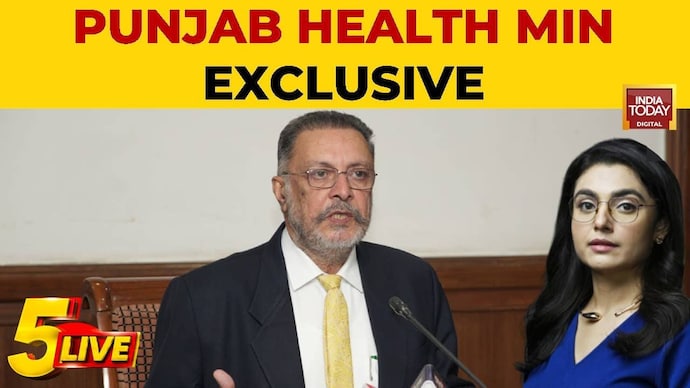
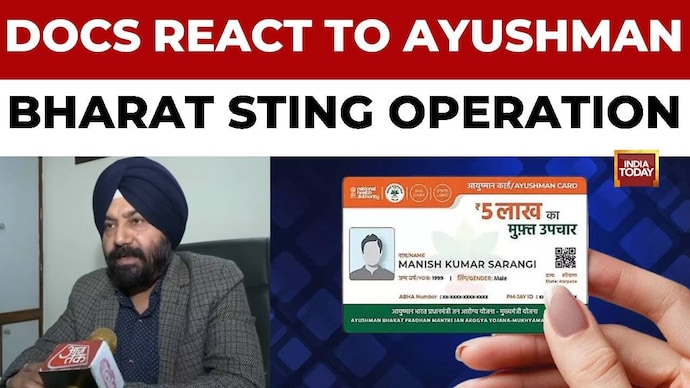
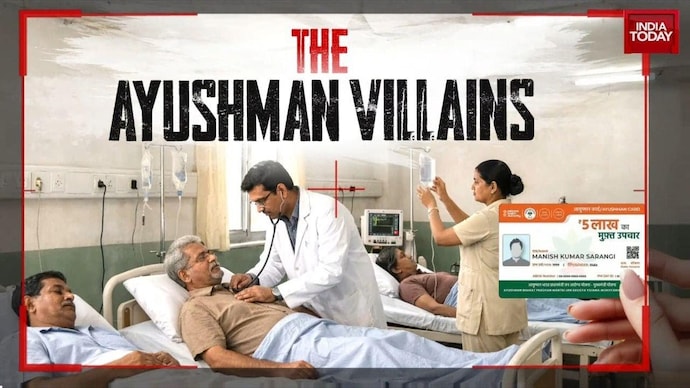
On this Special Report, Punjab Health Minister Dr Balbir Singh addresses the fallout from an India Today investigation into the Ayushman Bharat Yojana. Following reports of hospitals denying treatment or illegally charging beneficiaries, the Punjab government has issued show-cause notices to JP Diagnostics in Zirakpur and Indus International Hospital in Dera Bassi. Dr Balbir Singh stated, 'Central government owes Punjab 300 crore rupees,' while criticising the funding model where the Centre allegedly pays only 20 percent despite a 60-40 cost-sharing agreement. The Minister highlighted that while the state has allocated 1200 crore rupees to cover the entire population, delays and budget limits from the Centre continue to hamper the scheme. He confirmed having raised these concerns with the Union Health Minister twice. The programme examines the friction between the state and Centre over healthcare reimbursements and the impact on 16 lakh families in Punjab.
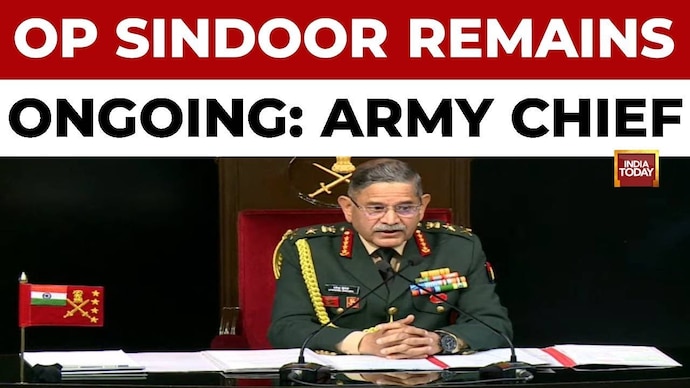
An unidentified speaker, presented in the bulletin as the Army Chief, delivers a warning on terrorism and says the operation is continuing. The key line is: 'Operation Sindoor remains ongoing. Any future misadventure will be resolutely responded to.' The speaker also describes a shift towards network-enabled multi-domain operations and lists planned capabilities including BrahMos extended range, Pinaka, QR-SAM extended range, drones and munitions. The transcript mentions reduced acquisition timelines under emergency procurement, greater funding, and empowerment of commanders with procurement powers. It also details logistics modernisation with logistic drones and robotic mules, claims major progress on indigenisation of ammunition, and outlines initiatives on quantum, AI platforms, sovereign LLM development, and the secure Samba mobile phone.
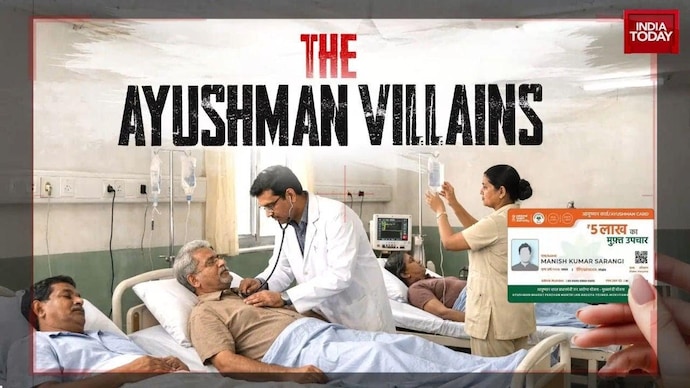
An India Today special investigation, 'Operation Ayushman,' exposed how numerous empanelled private hospitals deny cashless treatment to eligible patients and demanding cash payments across Delhi NCR, Punjab, and Himachal Pradesh.
This special report by India Today investigates the ground reality of the Ayushman Bharat Yojana, India’s largest publicly funded health insurance scheme. The investigation found repeated instances of patients being discouraged, asked to pay out of pocket, or denied treatment despite having valid Ayushman cards. The report covers hospitals across Delhi, the National Capital Region, Chandigarh, Punjab, and Himachal Pradesh. A key finding is: 'The promise of cashless healthcare ceases to exist.' Hospitals cited financial losses, pending government payments, and selective treatment policies as reasons for refusing care. The investigation raises serious questions about enforcement, accountability, and the true beneficiaries of the scheme.
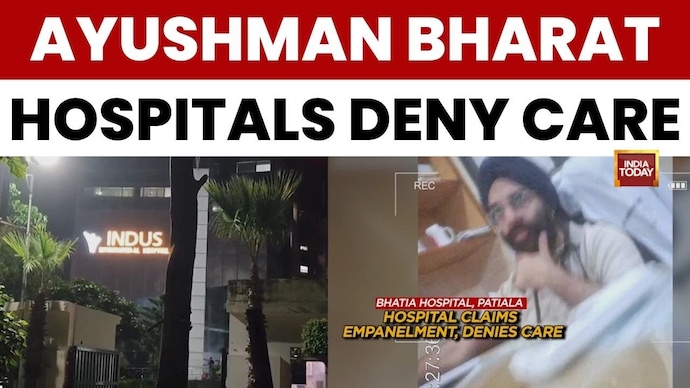
In this Special Report, India Today’s Special Correspondent Nitin Jain conducts a reality check on the Ayushman Bharat Yojana. The investigation reveals that empanelled private hospitals in Punjab, Himachal Pradesh, and Chandigarh are denying cashless treatment to poor patients. Hospitals like Indus International in Mohali and Bhatia Hospital in Patiala were found demanding cash or citing pending government dues to refuse care. Dr. SR Sharma of Navjeevan Nursing Home in Solan admitted to rejecting cards due to unpaid dues of Rs 1 crore. The report exposes the gap between the scheme's promise and the ground reality.
In this investigative report, India Today’s special correspondent Nitin Jain conducts a multi-state reality check on the implementation of the Ayushman Bharat Yojana.
On this Special Report, an India Today expose reveals the 'bitter truth' behind the Ayushman Bharat scheme. An Unidentified speaker highlights that while the government claims 'hefty numbers' of beneficiaries, patients on the ground face significant hurdles. Doctors admit that 'wait time for such patients is generally far too long' and some hospitals refuse admission due to lack of specialties or payment issues. The report also uncovers issues with 'fake cards' and biometric delays.
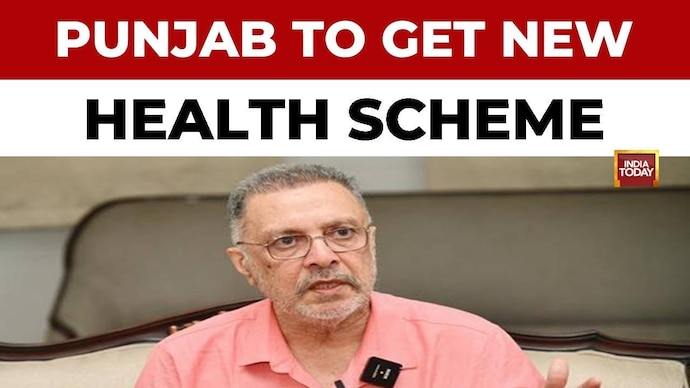
A Punjab minister has highlighted alleged loopholes in the central Ayushman Bharat scheme, citing limited scope and funding issues. Speaking to India Today, the minister announced the launch of a new universal state health scheme offering 10 lakh rupees cover. The transcript reveals claims that hospitals are turning away patients due to delayed payments from the Centre. The report also discusses an anti-fraud unit's role in monitoring erring hospitals.
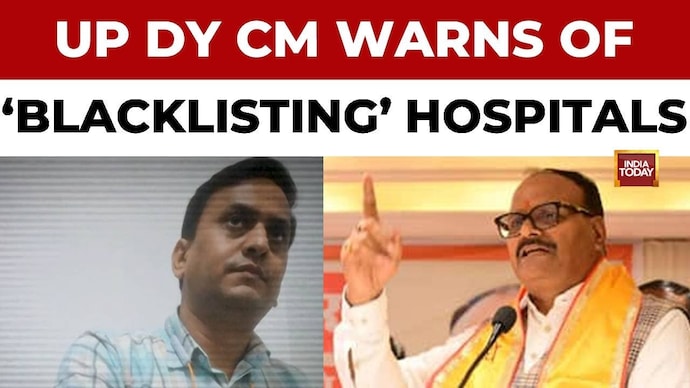
In a major impact of the India Today expose 'Operation Ayushmann', top ministers and officials have promised strict action against hospitals denying treatment to Ayushman Bharat cardholders. UP Deputy Chief Minister Brajesh Pathak assured that 'erring hospitals' will face penalties and blacklisting. The investigation revealed how private hospitals, termed 'vultures', turn away poor patients despite valid cards. Dr. Pankaj Singh also addressed the issue, stating that complaints are being handled and payments are being processed. The report highlights the struggle of the poor in Noida, Ghaziabad, and Delhi.
On this Special Report, India Today exposes critical loopholes in the Ayushman Bharat scheme. Senior Editor Kamaljeet Sandhu reports from Chandigarh on the ground reality, where hospitals are turning away patients and demanding cash. Punjab Health Minister Dr. Balbir Singh addresses the sting operation, promising an investigation by anti-fraud teams and highlighting the new 'Mukhya Mantri Sehat Scheme' to double health cover. The programme explores the gaps in healthcare delivery and the government's response.
On the occasion of Good Governance Day, the address highlighted the vision of Pandit Deendayal Upadhyay and the concept of Antyodaya. The speaker emphasised that 'Modi has made Deendayalji's dream his resolution', focusing on the saturation of welfare schemes like housing, water, and electricity as 'true secularism'. The speech noted that crores of Indians have defeated poverty in the last decade. Highlighting Uttar Pradesh's progress, the address stated, 'Our UP is making its identity as an expressway state' and has become 'India's number one mobile manufacturing state'. The legacy of Atal Bihari Vajpayee in telecom and connectivity was also lauded. The address also mentioned the expansion of the metro network and the 'Golden Quadrilateral' project, asserting that the government is giving a 'new dimension' to good governance.