Jantar Mantar is one of New Delhi's most recognisable landmarks, known both as an 18th-century astronomical observatory and as one of India's most prominent sites for peaceful public protest. Built in 1731 by Maharaja Sawai Jai Singh II during the reign of Mughal emperor Muhammad Shah, it is one of five observatories constructed by the Rajput ruler to improve astronomical calculations by tracking the movements of the Sun, Moon and planets with the naked eye.
The observatory houses several monumental masonry instruments, including the Samrat Yantra, the world's largest stone sundial, along with the Jai Prakash, Ram Yantra and Misra Yantra. These structures were designed to measure time, determine celestial positions and observe planetary movements, making Jantar Mantar a significant example of India's scientific and architectural heritage.
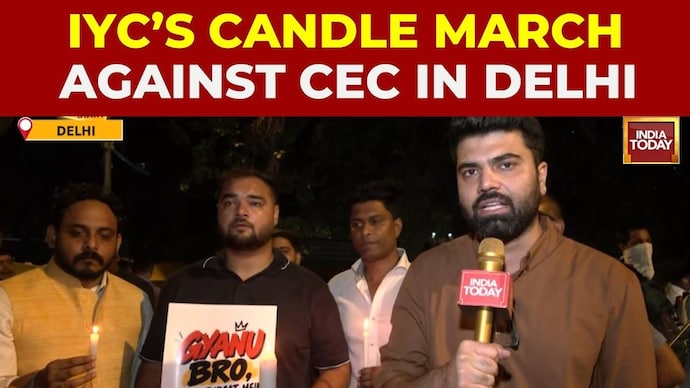
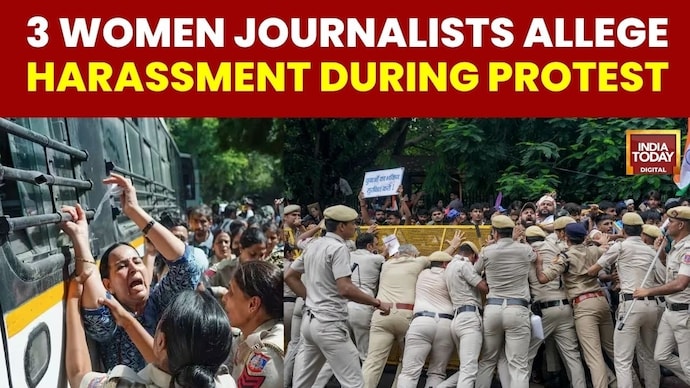
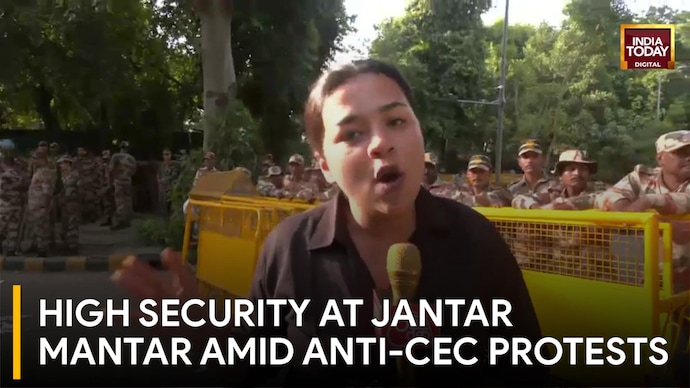
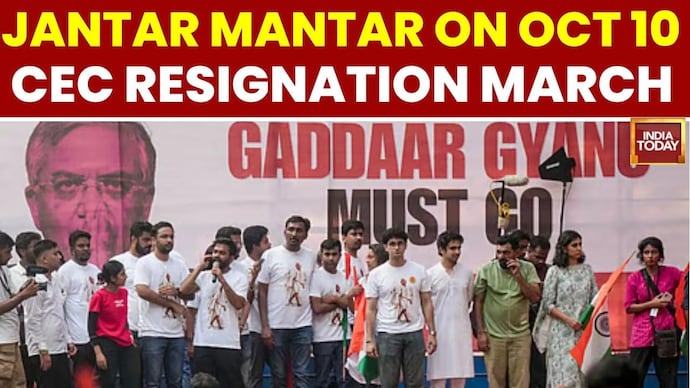
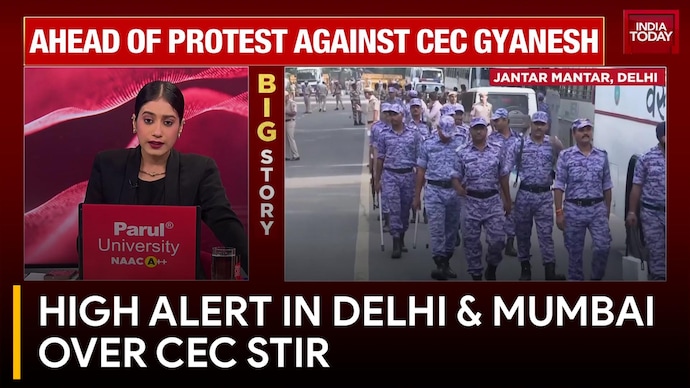
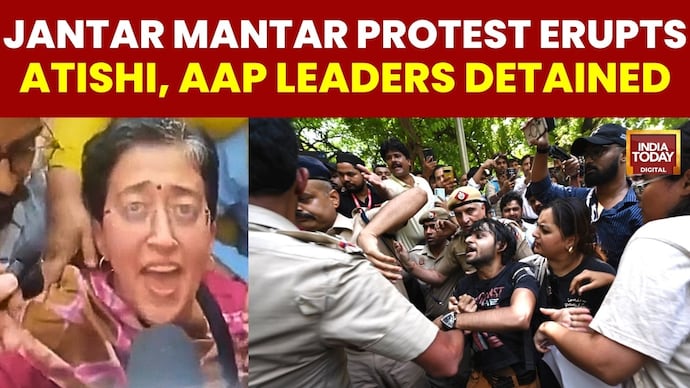
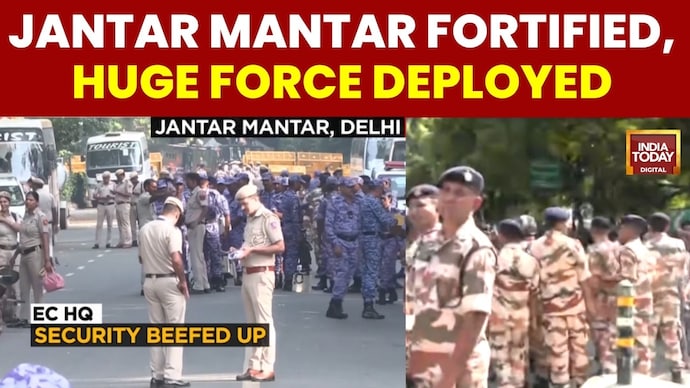
Over the decades, however, the name Jantar Mantar has acquired a second identity. The road adjoining the observatory gradually evolved into the country's best-known venue for democratic dissent after large-scale protests were shifted from Delhi's Boat Club area in the early 1990s. Owing to its proximity to Parliament and central government offices, it became the designated site for demonstrations by students, farmers, trade unions, ex-servicemen, activists and civil society groups.
In 2018, the Supreme Court upheld citizens' right to peaceful protest at Jantar Mantar while directing authorities to regulate demonstrations through guidelines on crowd size, sanitation, noise and public order. Today, protests of up to 1,000 people are permitted at the site with prior police approval.
Jantar Mantar returned to national attention in 2026 during the youth-led Cockroach Janta Party (CJP) movement against competitive exam paper leaks and demands for reforms in India's examination system. The protests, fuelled by allegations of repeated paper leaks, youth unemployment and calls for Education Minister Dharmendra Pradhan's resignation, drew unprecedented crowds to the site. The agitation intensified after environmentalist and education reform advocate Sonam Wangchuk launched a prolonged hunger strike and was later hospitalised following his arrest, turning Jantar Mantar once again into the focal point of a national movement.