Vietnamese crab exporter

Topic

Advertisement
TOPIC

SIR

The Election Commission of India’s Special Intensive Revision (SIR) is a large-scale exercise aimed at ensuring that electoral rolls remain accurate, updated and free from errors. Conducted under Section 21(3) of the Representation of the People Act, 1950, and backed by Article 324 of the Constitution, the process gives the ECI powers to revise voter lists whenever required.
 

SIR involves a door-to-door verification of voters by Booth Level Officers (BLOs). The exercise is meant to identify eligible voters while removing duplicate entries, deceased voters, permanently shifted persons and ineligible names from the rolls. Citizens are also required to resubmit forms and provide necessary declarations for verification.


The need for the revision has grown due to migration, multiple voter registrations, non-removal of dead voters and concerns raised by political parties over the quality of electoral rolls. The Election Commission notes that the last such revision in Bihar was conducted in 2003, while similar exercises have taken place several times since the 1950s.


Under the process, BLOs distribute and collect Enumeration Forms, conduct multiple house visits and assist voters in verification. Electoral Registration Officers (EROs) and Assistant Electoral Registration Officers (AEROs) prepare draft rolls, hear objections and publish the final electoral rolls. Political parties are also involved through Booth Level Agents (BLAs), who can help collect and certify forms.


The final electoral roll will be published before the upcoming Assembly elections after claims, objections and appeals are addressed.

  • ALL
  • STORIES
  • VIDEOS

STORIES

No Election Commissioner has dissented on any decision since Feb 2025: Sources

As questions grow over dissent within the EC over SIR, sources in the poll body have said its three members have taken every decision unanimously since February 19, 2025, even as a media report highlighted 14 objections recorded by Election Commissioners Sukhbir Singh Sandhu and Vivek Joshi over various aspects of the exercise.

UPSC began 100 years ago with a British chairman: Meet Sir Ross Barker

Long before UPSC became a constitutional body, India’s first Public Service Commission was set up in 1926. At its head was Sir Ross Barker, a British Home Civil Service officer. His tenure marked the beginning of an institution that would eventually become India’s premier civil services recruitment body.

Load More

VIDEOS

Tata Trusts Dispute, Markets Open Under Pressure, Auto Sales Jump

Tata Trusts faces leadership disputes as Vice Chairman Vijay Singh approached the Maharashtra Charity Commissioner regarding governance concerns at the Sir Dorabji Tata Trust, following a complaint by Venu Srinivasan. The move comes amid Tata Sons restructuring and potential succession discussions. Indian equity markets opened lower, with the Nifty falling below the 22,600 mark amid foreign institutional investor selling, while information technology and private bank stocks held gains. Automotive companies reported monthly sales data for September, showing volume expansion. Mahindra and Mahindra recorded a 15 percent rise in total sales to 1.14 lakh units, while Bajaj Auto registered a 5 percent increase in overall sales alongside a 32 percent surge in exports. Geopolitical discussions also gained traction following bilateral interactions between Indian leadership and United States officials over proposed trade talks and energy sanctions.

Flydubai scare, INDIA bloc protest, Amit Shah’s Punjab pledge: Top developments

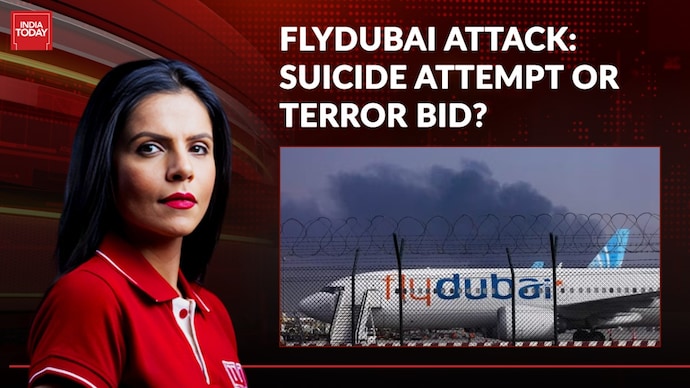
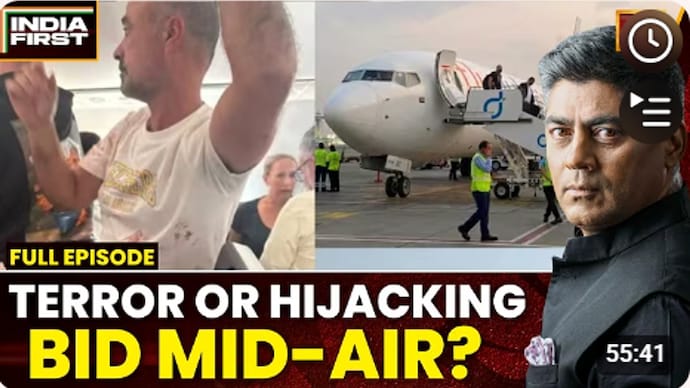
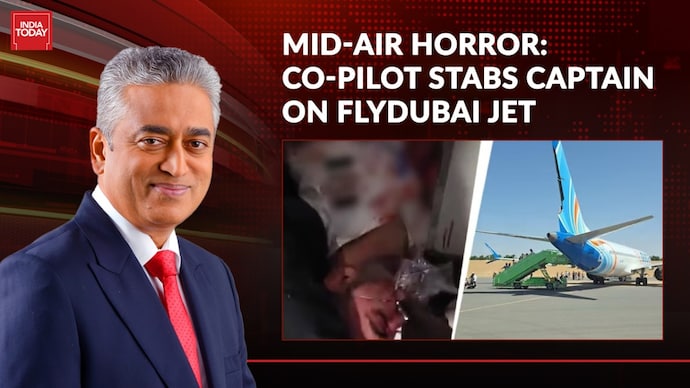
Flydubai flight FZ1073 from Dubai to Tel Aviv made an emergency diversion to Tabuk, Saudi Arabia, after the co-pilot attacked Captain Smit Majahar and attempted to seize control of the aircraft, which descended 14,000 feet and issued distress codes 7700 and 7500 before passengers and crew restrained the assailant. In New Delhi, leaders of the opposition INDIA bloc met to launch nationwide demonstrations seeking the resignation of Chief Election Commissioner Gyanesh Kumar and the withdrawal of the SIR exercise, amid ongoing seat-sharing disputes between Congress and the Samajwadi Party in Uttar Pradesh. Meanwhile, Union Home Minister Amit Shah addressed the conclusion of the BJP Nashamukt Punjab Yatra in Jalandhar, pledging to eliminate narcotics in Punjab by December 31, 2029, as political leaders and former law enforcement officials debated governance, de-addiction infrastructure, and narcotics seizure data ahead of state elections.

INDIA Bloc Unveils EC Protest as Congress-Samajwadi Party Rift Surfaces Ahead of UP 2027

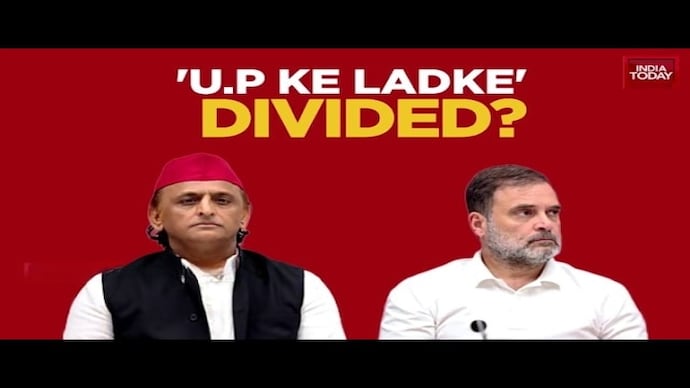
Over 20 opposition parties of the INDIA bloc met in the national capital to announce a coordinated nationwide campaign against Chief Election Commissioner Gyanesh Kumar and the SIR exercise. The alliance unveiled plans for Save Democracy marches from 2nd to 8th October, a march to the Election Commission on 6th October, five major rallies across October and November, and a mega rally in Delhi on 1st November. The bloc demanded the resignation of the Chief Election Commissioner and a rollback of the SIR process. However, unity questions emerged as Samajwadi Party chief Akhilesh Yadav skipped the meeting, officially citing Rajya Sabha election preparations. Underlying friction between the Congress and the Samajwadi Party centres on seat-sharing disputes ahead of the 2027 Uttar Pradesh assembly polls, particularly concerning seats in the Rae Bareli-Amethi belt, Unnao, and Hardoi.

KT Rama Rao: 'The EC seems to be broken'

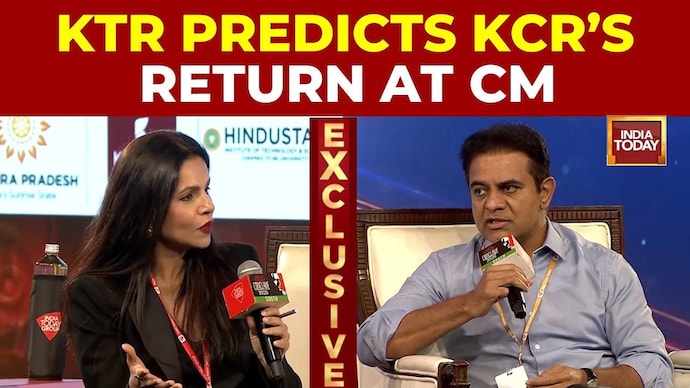
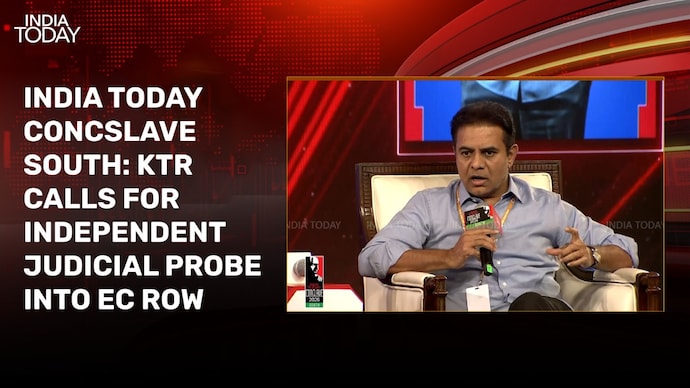
Speaking at an India Today event in Kochi, Bharat Rashtra Samithi working president KT Rama Rao addressed key national and state political issues. Speaking on scrutiny surrounding the Election Commission, he stated, "The EC seems to be broken," and urged the Supreme Court to initiate an independent judicial probe. On delimitation, he said the southern states must retain their 24 percent representation in Parliament before BRS considers supporting the measure. Rejecting any possibility of an alliance with the BJP, he emphasized that BRS remains ideologically opposed to both national parties. Discussing youth protests and movements led by Gen Z, he welcomed political accountability. He also ruled himself out as the chief ministerial candidate for the upcoming assembly elections, reiterating that party founder K. Chandrashekar Rao remains the face of BRS. Highlighting his party's track record, Rama Rao pointed to Telangana's growth in GSDP, per capita income, and IT jobs, defending its transition into a key economic engine.

Tejashwi Alleges Bihar Poll Manipulation, Targets EC Over SIR; Raises Paper Ballot, Boycott Options

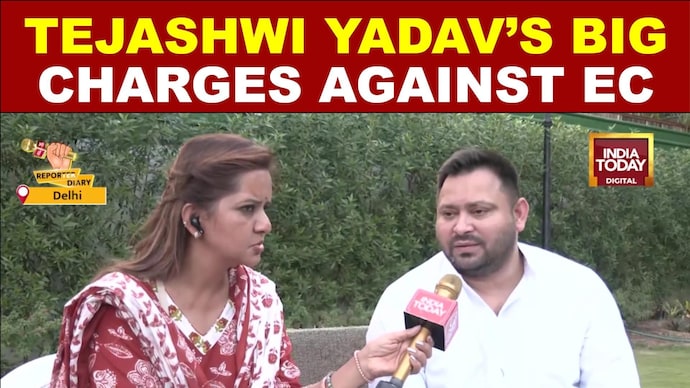
Speaking after an INDIA bloc meeting, Rashtriya Janata Dal leader Tejashwi Yadav accused the Election Commission of enabling vote manipulation in favour of the Bharatiya Janata Party. Yadav alleged that the Special Intensive Revision process in Bihar was designed to manipulate voter lists, citing instances from his Raghopur constituency where living voters were declared dead. Targeting Election Commissioner Gyanesh Kumar, he alleged that the commission functions under directives from the Prime Minister's Office and Union Home Minister Amit Shah. Yadav claimed the election was rigged through administrative machinery and financial power, pointing to irregularities in voter turnout data and welfare disbursements on voting day. He endorsed the Congress demand seeking the resignations of the Prime Minister and the Home Minister, asserting that constitutional independence has been compromised after changes to the election commissioner appointment panel. He reiterated demands for paper ballots and stated that opposition parties could consider boycotting elections as a last resort if a level playing field is not ensured.

Nara Lokesh at India Today Conclave: 'Is the system perfect? Absolutely not'

Speaking in an exclusive interview at the India Today South Conclave in Kochi, Andhra Pradesh Minister for HRD and IT Nara Lokesh addressed scrutiny surrounding the Election Commission of India. Defending institutional transparency, Lokesh dismissed opposition claims of bias, remarking, "Is the system perfect? Absolutely not. There are areas of improvement like any system is." He criticised political rivals for questioning electoral processes without field-level booth preparation, noting that parties often praise systems when victorious but blame the commission upon defeat. Lokesh clarified the Telugu Desam Party's position within the National Democratic Alliance, affirming that while the TDP maintains its own voice on matters like the Waqf bill, it raises concerns internally rather than through public agitation. He also reflected on India's youth demographics, pointing to a non-partisan movement among younger generations demanding administrative reform and governance solutions.

Election Commission Modifies Online Form 6, Removes Extra Special Revision Clause

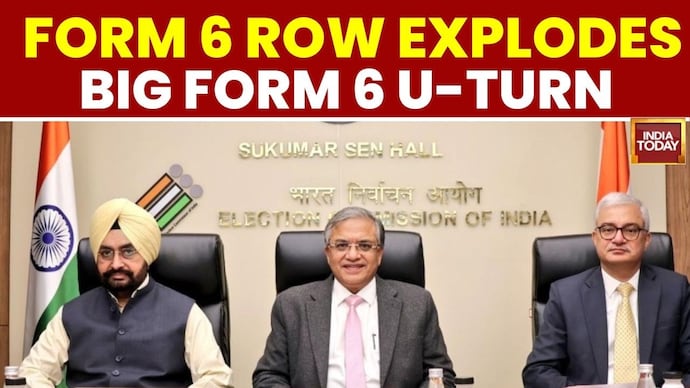
The Election Commission of India has removed the additional Special Intensive Revision declaration from the online Form 6 application across states and union territories where the exercise has concluded. Fresh voter applicants in these regions will now only submit the statutory Form 6 prescribed under the Registration of Electors Rules, 1960. The additional declaration has been pulled from the poll body's portal, mobile application, and chief electoral officers' websites. The move follows a clarification stating the additional requirement applied solely during the revision exercise. Internal differences had surfaced over the move, with Election Commissioners Vivek Joshi and Sukhbir Singh Sandhu objecting on grounds that a statutory form cannot be amended without altering relevant rules. The commission maintained the provision was temporary and upheld by the Supreme Court. Meanwhile, the Congress Party termed the earlier modifications illegal and alleged unconstitutional deletions in Bihar and West Bengal.

Election Commission Restores Original Form 6 Format, Drops Extra Declaration For Non-SIR States

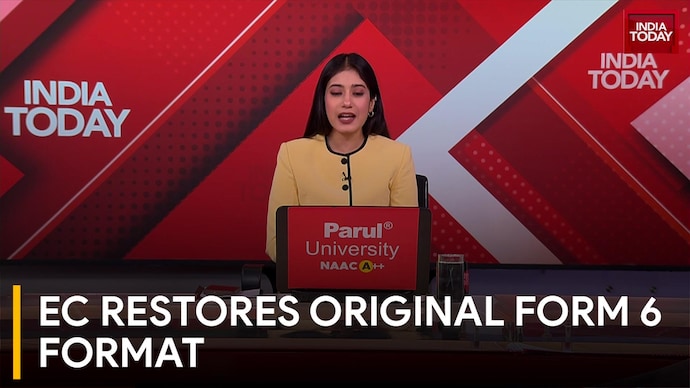
The Election Commission of India has restored the original Form 6 format for non-SIR states, removing the extra declaration annex, Annexure D, from online voter registration. Under this update, new eighteen-year-old voters will no longer be required to provide their parents' or grandparents' previous electoral details, such as constituency booth and serial numbers, ending mandatory family mapping in those regions. However, the additional declaration requirement will continue in states where the Special Summary Revision is currently underway. The decision follows political controversy and scrutiny from the opposition INDIA bloc regarding voter registration procedures and past irregularities.

Markets Open Flat, Tata Boardroom Tussle Deepens and Donald Trump Renames AI

Indian equity markets opened flat amid heightened volatility, with the Nifty fluctuating near 22,700 levels. Broader market indices and select sectors such as PSU banks, IT, and oil and gas registered modest gains, while metal and pharma stocks witnessed profit-taking. Meanwhile, the internal rift within the Tata Group intensified after trustee Venu Srinivasan reportedly approached the Maharashtra Charity Commissioner seeking an immediate probe into alleged governance lapses at Sir Dorabji Tata Trust and Sir Ratan Tata Trust. At the same time, Noel Tata voiced opposition against listing Tata Sons, citing potential constraints on supporting group companies during financial difficulties. Analysts advised caution, noting that elevated US bond yields and crude oil prices continue to drive foreign capital outflows from emerging markets. Additionally, global headlines featured former US President Donald Trump meeting with technology leaders, where he proposed terming artificial intelligence as super intelligence alongside discussing self-regulation frameworks.

Opposition Meets Over CEC Resignation Demand, SIR Row; BJP Calls Bloc Sinking Ship

The INDIA bloc convenes in New Delhi to formulate a joint strategy targeting Chief Election Commissioner Gyanesh Kumar over the ongoing Special Intensive Revision exercise and alleged voter deletions. Opposition leaders, including representatives from the Congress, Trinamool Congress, Rashtriya Janata Dal, Nationalist Congress Party, and Left parties, are discussing potential impeachment proceedings, demands for the CEC's resignation, and the reinstatement of deleted voters across the country. Meanwhile, parties such as the Samajwadi Party, Dravida Munnetra Kazhagam, and Aam Aadmi Party are skipping the meeting. The Bharatiya Janata Party has criticised the opposition meeting, labelling the alliance a sinking ship, a failed experiment, and a house of cards. The opposition aims to highlight alleged electoral roll discrepancies and plan nationwide campaigns.

INDIA Bloc Rift: SP, DMK and AAP Skip Crucial Strategy Meeting

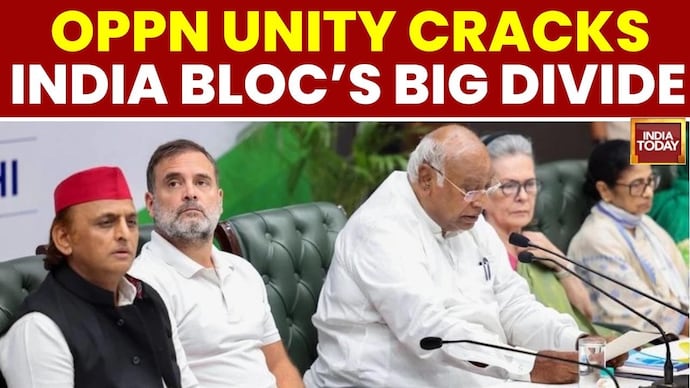
Cracks have surfaced within the opposition INDIA bloc as key regional allies stayed away from a crucial meeting called to strategise on the Election Commission and the Special Intensive Revision process. Samajwadi Party chief Akhilesh Yadav skipped the deliberation citing Rajya Sabha nomination commitments in Uttar Pradesh. Meanwhile, the Dravida Munnetra Kazhagam decided not to attend after breaking ties following the Congress party's backing of Vijay's Tamilaga Vettri Kazhagam in Tamil Nadu. The Aam Aadmi Party also opted out, having stated that it is no longer part of the alliance. The Bharatiya Janata Party mocked the developments, asserting that the facade of opposition unity stands exposed. The bloc faces major challenges, including regional seat-sharing conflicts, questions regarding leadership, and lacking the parliamentary numbers required to move an impeachment motion against Chief Election Commissioner Gyanesh Kumar, while the Special Intensive Revision process has already cleared scrutiny from the Supreme Court.

Secular parties fail Muslims: Asaduddin Owaisi slams delimitation

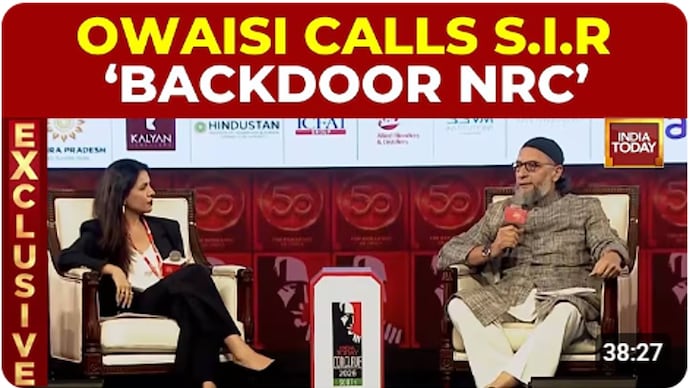
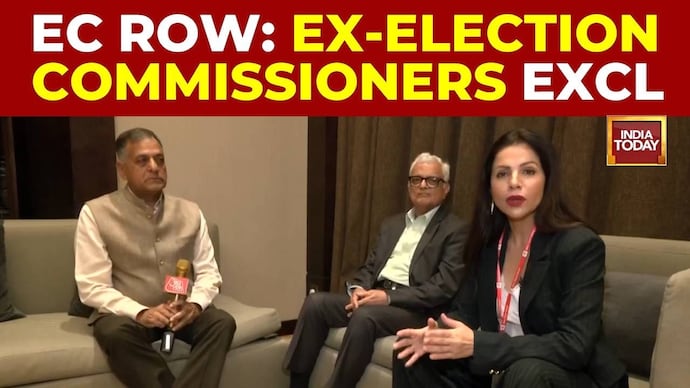
AIMIM president and Hyderabad MP Asaduddin Owaisi addressed a range of political and socio-economic issues concerning minorities, electoral representation and governance at the India Today South Conclave. Owaisi argued that successive governments have treated religious minorities as a vote bank while failing to ensure proportional representation and independent political leadership. He also criticised both the BJP and parties that identify themselves as secular, questioning their record on political representation and justice. Owaisi raised concerns over the Election Commission's Special Intensive Revision (SIR) exercise, describing it as a “backdoor NRC” that could lead to voter disenfranchisement. He also opposed the Uniform Civil Code, arguing that constitutional pluralism must accommodate India's diversity. On parliamentary delimitation based on population, he warned that it could deepen the political divide between northern and southern states and affect minority representation. Meanwhile, former Election Commissioner Ashok Lavasa criticised the Election Commission's response to questions over SIR and changes to Form 6. He likened the poll body's concessions to “applying a Band-Aid to a fracture”, arguing that they did not address concerns over the fairness of the exercise. Lavasa and former CEC OP Rawat also questioned the procedure followed for issuing different versions of Form 6 and the absence of recorded minutes of constitutional decision-making.

Justice AK Sikri: 'Burden Of Proof Has Shifted On The Electoral Person'

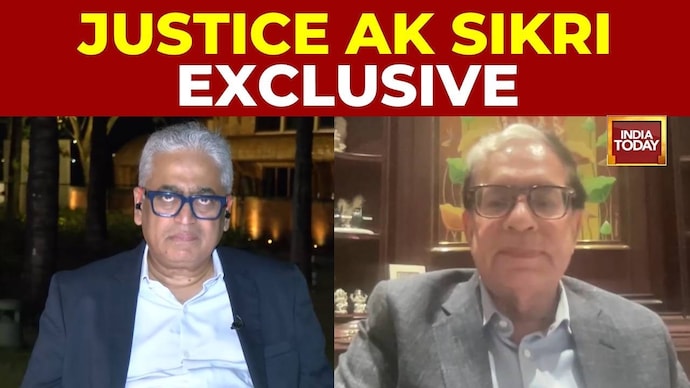
In an interview discussing the Special Intensive Revision (SIR) of electoral rolls, former Supreme Court judge Justice AK Sikri shared critical views on its procedural execution. While agreeing that the exercise is constitutionally valid under the law and backed by judicial precedent, Justice Sikri voiced serious apprehension regarding implementation at the grassroots level. He noted that the procedure improperly places the burden of proof on legitimate voters already listed on the rolls. Sikri observed that exclusion notices often penalise vulnerable, illiterate, and rural citizens over minor clerical errors such as spelling mismatches. Emphasising constitutional mandates under Articles 324, 325, and 326, he warned, "The burden of proof has shifted on the electoral person who is already in the list." He insisted that the Election Commission of India must adhere strictly to statutory procedures and principles of natural justice so genuine citizens are not arbitrarily disenfranchised.

India Bloc Plans Meet Over CEC Impeachment as DMK Skips and Congress Seeks Resignations

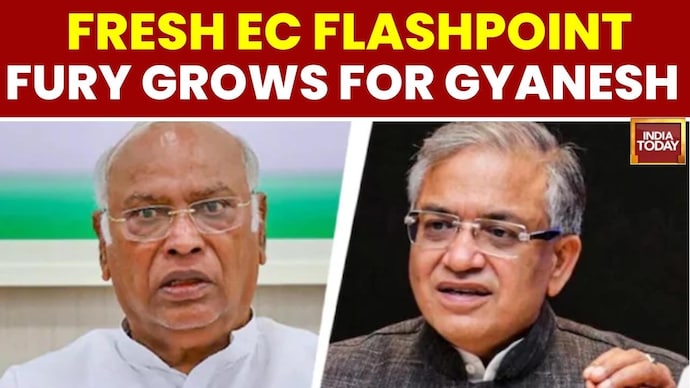
Ahead of the scheduled India alliance meeting, fissures within the opposition camp have come to the fore. The Congress Working Committee met and passed a resolution demanding the immediate resignation of Chief Election Commissioner Gyanesh Kumar, along with Prime Minister Narendra Modi and Home Minister Amit Shah, alleging voter deletions under the controversial SIR exercise. The Congress and allies plan to discuss a mass movement and a potential impeachment motion against the CEC. However, several opposition leaders are skipping personal attendance: DMK has decided to skip the meeting, Samajwadi Party chief Akhilesh Yadav is sending a representative, Sharad Pawar is skipping, and Shiv Sena UBT plans to join via video conference. Meanwhile, the ruling Bharatiya Janata Party has hit back, accusing the Congress of systematically undermining constitutional institutions.

ECI Course Correction Like 'Applying A Band-Aid To A Fracture': Ashok Lavasa

Speaking at the India Today South Conclave, former Election Commissioner Ashok Lavasa critiqued the Election Commission of India's recent rebuttal following questions raised over the Special Intensive Revision (SIR) process and Form Six modifications. Ashok Lavasa remarked that the poll body's attempt at course correction was like 'applying a Band-Aid to a fracture' because providing minor concessions fails to make the entire SIR exercise fair. Alongside former Chief Election Commissioner O.P. Rawat, Lavasa questioned the procedural validity of issuing different versions of Form Six and the lack of recorded minutes in constitutional decision-making. He stressed that issuing press notes instead of holding open press conferences deprives the Commission of addressing public doubts directly, especially regarding large-scale voter deletions in West Bengal.