Bihar | The tone is civil, the disquiet is uniform
The UCC faces a genuine tumbling block in Bihar, as BJP seeks not to upset partners JD(U) and LJP. Muslim alienation could upset electoral equilibrium

Uniform Civil Code (UCC) refers to a proposed set of common laws that would govern personal matters, including marriage, divorce, inheritance, and adoption, for all citizens of a country.
The code comes under Article 44 of the Constitution, which lays down that the state shall endeavor to secure a Uniform Civil Code for the citizens of India.
The objective of a Uniform Civil Code is to ensure equality, justice, and non-discrimination in personal matters. Additionally, it aims to replace the existing personal laws based on religious communities and establish a single unified code applicable to all individuals, regardless of their religious beliefs.
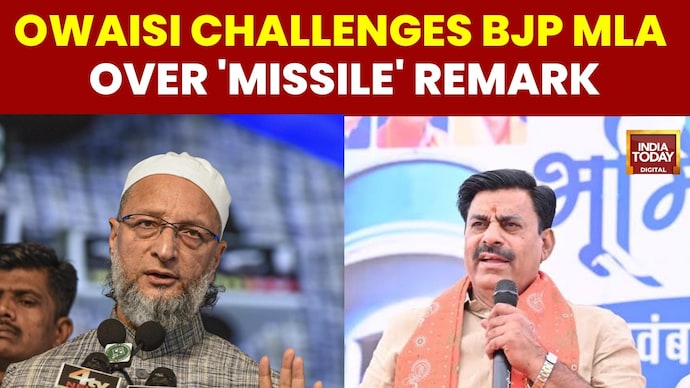
A political confrontation has erupted in Madhya Pradesh between BJP MLA Rameshwar Sharma and AIMIM chief Asaduddin Owaisi. The controversy began during a Janmashtami event in Bhopal, where BJP MLA Rameshwar Sharma made a controversial remark about firing a missile from Karond square to Qazi Camp, a minority-populated area, leading to demands for an FIR against him. Responding at a public rally in Bhopal held against the Uniform Civil Code, AIMIM chief Asaduddin Owaisi challenged Sharma over the missile threat, stated that he is prepared to be martyred, and highlighted the freedom fighters who resided in Qazi Camp.
On this episode of To The Point, host Preeti Choudhury covers key national developments, beginning with the government's revised UPI Merchant Discount Rate (MDR) framework taking effect on 15 October 2026.
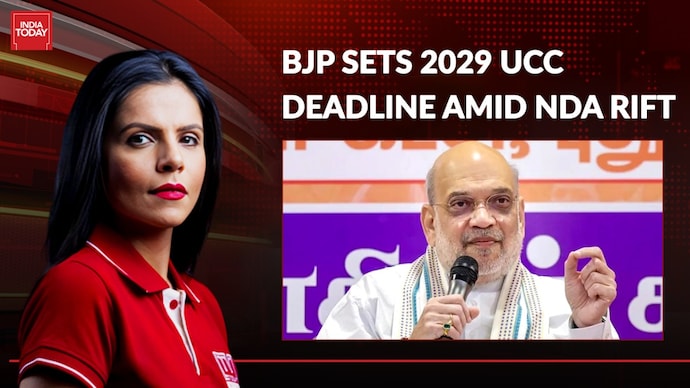
The Bharatiya Janata Party has set a 2029 deadline to roll out the Uniform Civil Code across all party and National Democratic Alliance ruled states. Positioned as a major ideological goal following the abrogation of Article 370, the proposed civil code includes common laws on marriage, divorce, inheritance, and succession across religions. However, the push has exposed internal differences within the alliance. While allies like the Telugu Desam Party, Shiv Sena, and Hindustani Awam Morcha have offered support, the Janata Dal United has opposed its rollout in Bihar, and Lok Janshakti Party leader Chirag Paswan has demanded wider public consultations before deciding.
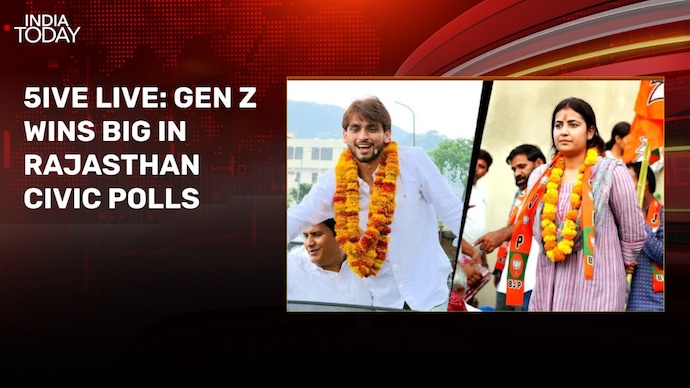
This episode of Five Live covers the results of the Rajasthan civic body elections, where the Bharatiya Janata Party secured 41 percent of the wards, the Congress captured 35 percent, and independent candidates and smaller parties won 24 percent.
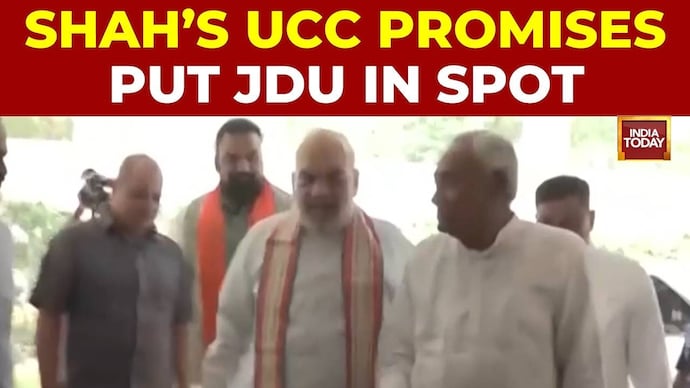
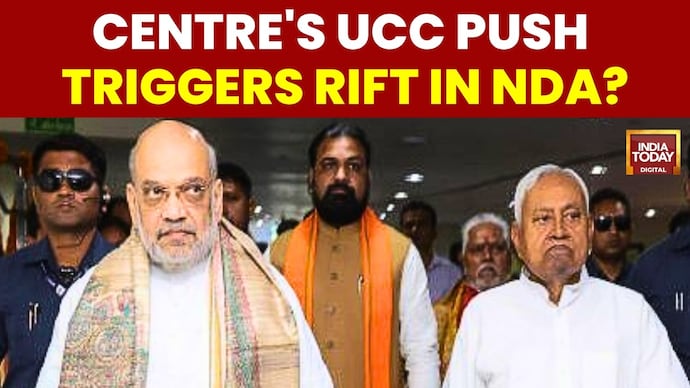
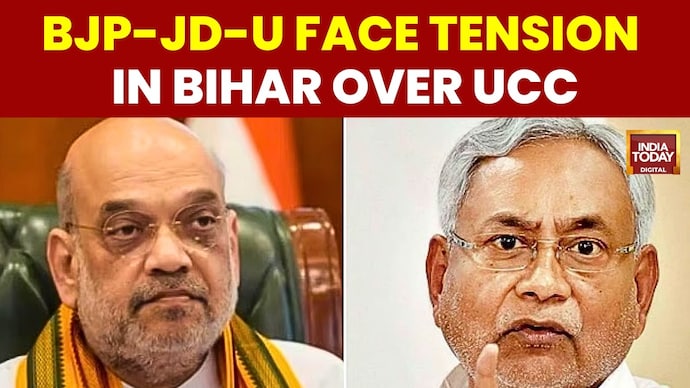
Differences have surfaced within the National Democratic Alliance over the Uniform Civil Code, particularly in Bihar, following the Union Home Minister's announcement that UCC will be implemented across all 21 NDA-ruled states by 2029. Key allies Janata Dal (United) and Lok Janshakti Party have adopted a cautious approach. JD(U) has reiterated its demand for wider consultations to ensure no community feels hurt, with working president Sanjay Jha set to convey the party's position. LJP chief Chirag Paswan has sought the public release of the UCC draft and discussions with stakeholders, citing India's diverse social fabric. Meanwhile, Bihar opposition leader Tejashwi Yadav has criticised both allies, demanding they clarify their respective positions on the issue.
The central government's push to implement the Uniform Civil Code across 21 NDA-ruled states by 2029 has triggered differences within the NDA alliance. Key Bihar allies, including the JD(U) and LJP(RV), have called for wider consultations and making the draft public before taking a final stand, stressing that no community should feel hurt. Meanwhile, Bihar opposition leader Tejashwi Yadav has demanded that the allies clearly state their positions. The proposed UCC framework includes a complete ban on polygamy, a uniform marriage age, mandatory registration of live-in relationships, gender-equal inheritance rights, and common personal laws, while exempting Scheduled Tribes from its ambit.
The Janata Dal (United) has voiced reservations regarding the implementation of the Uniform Civil Code across NDA-ruled states before 2029. In response to Union Home Minister Amit Shah's announcement, JD(U) leaders reiterated that the party seeks extensive dialogue so that no community is hurt. As opposition party RJD demanded clarity from the ruling ally in Bihar, JD(U) Working President Sanjay Jha is scheduled to meet Home Minister Amit Shah to discuss party concerns and resolve alliance differences regarding the proposed uniform law.
A political panel debates the proposed implementation of the Uniform Civil Code across India. Bharatiya Janata Party spokesperson and lawyer Charu Pragya defends the policy, asserting that Article 44 mandates equal civil rights and stating, 'This is not about religion... this is about equality and basically equality for women.' She highlights the successful implementation of the Uniform Civil Code in Uttarakhand and argues that personal practices must remain distinct from civil legislation regarding marriage, divorce, and inheritance. In opposition, All India Majlis-e-Ittehadul Muslimeen spokesperson Waris Pathan contends that the Uniform Civil Code violates fundamental constitutional rights under Articles 14, 25, 26, and 29, arguing it targets minority personal laws and disregards recommendations against its immediate introduction. Political commentator Rajat Sethi emphasizes that constitutional values must supersede religious codes to protect individual rights, while author Saira Shah Halim urges the government to release a proposed draft for comprehensive stakeholder consultation to ensure gender parity across all religious communities.
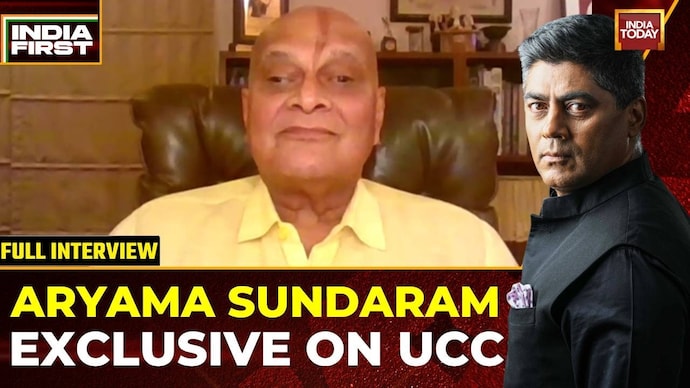
In an interview on India First, Senior Advocate at the Supreme Court of India Aryama Sundaram shared his constitutional perspective on the Uniform Civil Code (UCC) and secularism in India. Sundaram stated, "All of them should be uniform, and I'm a great believer that the uniform civil code is a must." He emphasized that civil matters such as marriage, divorce, and inheritance should be governed uniformly by the state, distinguishing civil codes from ecclesiastical practices. Discussing the role of the judiciary versus the legislature, Sundaram explained that lawmaking is the prerogative of Parliament and state assemblies, while the Supreme Court's mandate is to examine constitutional validity if a law is challenged. He addressed the federal rollout of civil laws, citing historical amendments to the Hindu Succession Act across states. He noted that directive principles guide national progress and that personal laws treating individuals unequally go against basic morality, public interest, and constitutional equality.
A political confrontation has broken out following Union Home Minister Amit Shah's remarks regarding the implementation of the Uniform Civil Code across 21 NDA-governed states. In response, AIMIM Chief Asaduddin Owaisi criticized the central government, asserting that the policy is designed to target Muslims rather than ensure equality. Owaisi alleged that the move imposes Hindu law on non-Hindus and violates Articles 14, 25, 26, and 29 of the Constitution. He further challenged the BJP to implement the Uniform Civil Code in NDA-ruled Goa and questioned the imposition of the Disturbed Areas Act and love jihad regulations across states.
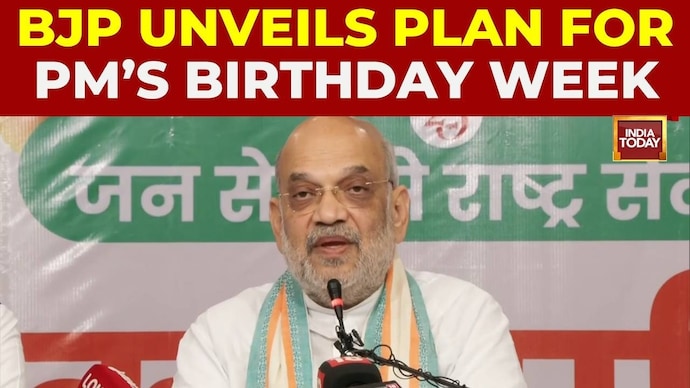
A comprehensive overview of governance achievements and nationwide outreach initiatives was presented during a media address. Key milestones highlighted include the lifting of millions out of multi-dimensional poverty, direct benefit transfers via bank accounts, tap water connections, free ration distribution, sanitation coverage, and housing initiatives. Significant progress in economic transformation was outlined, focusing on gross domestic product growth, digital public infrastructure, tax reforms, banking sector turnaround, and infrastructure expansion across railways, roadways, and aviation. Major policy decisions concerning national security, legislative representation for women, internal security improvements, and administrative reforms across several states were detailed. A series of community service programmes, outreach drives, innovation challenges, and governance dialogues spanning villages to representative assemblies were announced to connect with beneficiaries and promote citizen participation across the country.
Prime Minister Narendra Modi launched development projects worth over 35,000 crore rupees in Vadodara, Gujarat, including key sections of the Western Dedicated Freight Corridor.
On India First, anchor Gaurav leads a fiery debate on the High Court's ruling against the controversial slogan 'sar tan se juda', examining its conflict with the sovereignty of India and the rule of law. Panelists Maulana Sajid Rashidi, President of the All India Imam Association, and Jai Anant Dehadrai, Advocate at the Supreme Court, share sharply contrasting perspectives. While Maulana Sajid Rashidi condemns the violent slogan and insists it has no place in Islam, stating 'sar tan se juda ko Islam bhi nahi maanta', he raises concerns regarding mob lynching cases and constitutional freedoms concerning national slogans like Vande Mataram. In response, Jai Anant Dehadrai strongly refutes comparisons between violent incitement and religious invocations, emphasising that India is a constitutional democracy governed strictly by the criminal justice system and not mob rule. The panel further deliberates on the legal boundaries of blasphemy, essential religious practices, and the push towards a Uniform Civil Code.
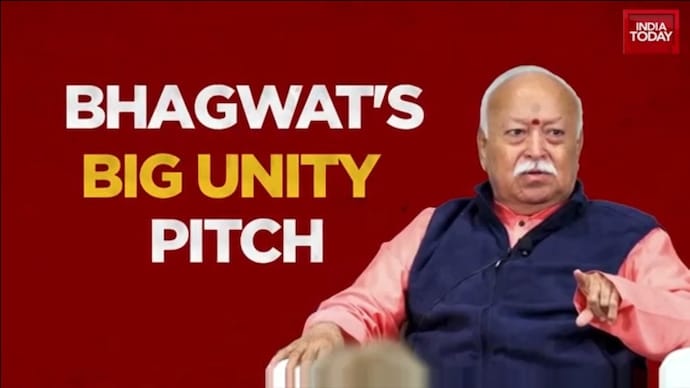
Rashtriya Swayamsevak Sangh Sarsanghchalak Mohan Bhagwat delivered a message of universal oneness, civilisational duty, and global service during his visits to Canada and the United States as part of the centenary outreach of the RSS. Speaking at the Hindu Vishwa Bandhu event in Toronto, Bhagwat highlighted that offering assistance is inherent to India's identity, explaining that the country attained the status of a Vishwa Guru through selfless humanitarian service rather than functioning as a military superpower. Reflecting on his earlier address in New York, he advocated for unity in diversity, asserting that Hindu philosophy does not exclude Muslims. However, the tour has triggered a political dispute in India. AIMIM chief Asaduddin Owaisi criticised the outreach and questioned the stance of the RSS on democracy, minority communities, and the uniform civil code. The Congress also alleged inconsistencies between the messaging abroad and domestic politics, while the Bharatiya Janata Party defended Bhagwat against opposition criticism.
Religious leaders have expressed strong support for the 'One Nation One Election' initiative, emphasizing that frequent elections disrupt development schemes and educational activities. Highlighting the need for broader structural reforms, the press conference called for the implementation of a 'One Nation One Education System' alongside equal rights and protection for all citizens without discrimination based on caste or community. Concerns were raised regarding the political misuse of minor children in public protests, advocating instead that civic issues be addressed through lawful avenues by adult citizens. The conference also addressed misunderstandings surrounding the national song Vande Mataram, clarifying that its verses express reverence and devotion towards the motherland rather than specific religious deities. Calling for unity, national progress, and economic strength, the speakers urged citizens to reject divisive rhetoric and support key electoral and governance reforms to build a developed nation.
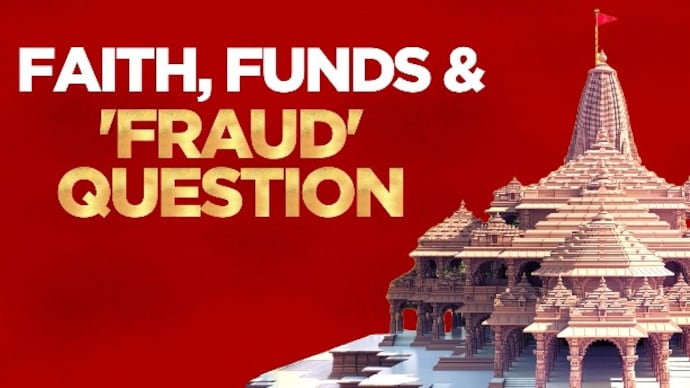
A controversy has erupted over the embezzlement of donations for the Ayodhya Ram Temple, leading to the resignations of Shri Ram Janmabhoomi Teerth Kshetra Trust General Secretary Champat Rai and trustee Anil Mishra.
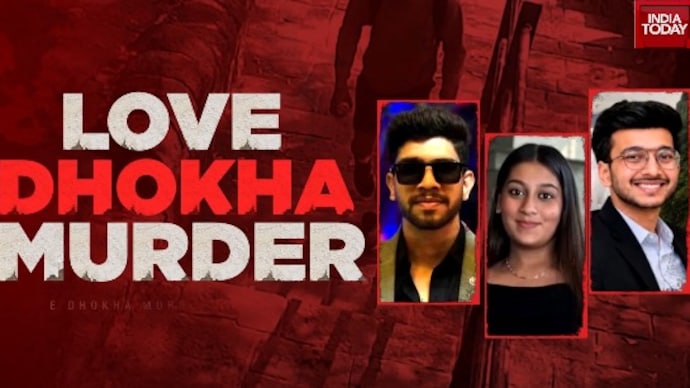
The investigation into the Lohagad Fort murder case has intensified, with police sources indicating a premeditated conspiracy by the two accused, Siya Goyal and Chetan Chaudhary.
After Assam, Gujarat and Uttarakhand, now West Bengal government is likely to introduce the Uniform Civil Code (UCC) Bill in the state Assembly next week.
A police investigation into the handling of donations at the Ayodhya temple has resulted in an FIR being filed against several individuals on charges including embezzlement and criminal conspiracy.
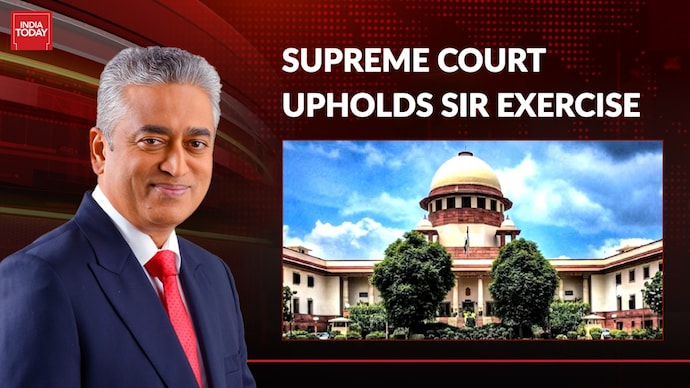
The Supreme Court upheld the Election Commission's Special Intensive Revision of electoral rolls, ruling the process constitutional.