Coca-Cola's Rs 11-40 problem: Why the beverage giant is losing market share in India
Coca-Cola has admitted that it lost market share in India during the April-June quarter, blaming higher packaging costs and the absence of the right products in the crucial Rs 11–40 price segment.
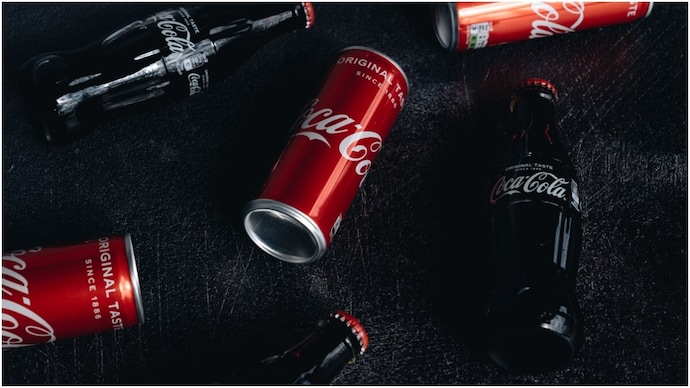
Walk into any neighbourhood shop in India and you'll notice one thing, many customers don't ask for a specific bottle size, they ask for a drink that fits their budget. Whether it's Rs 20, Rs 30 or Rs 40, price often drives the purchase.
That's exactly where Coca-Cola says it is losing ground.
The beverage giant has admitted that it lost market share in India during the April-June quarter, blaming higher packaging costs and the absence of the right products in the crucial Rs 11–40 price segment.
THE RS 11-40 GAP
Speaking to Reuters, Coca-Cola Chief Financial Officer John Murphy said the company currently does not have the right "pack price architecture" in the Rs 11–40 range, a segment that caters to a large section of Indian consumers.
"Right now, the mid-tier (price pack of between 11 and 40 Indian rupees) is one where we do not yet have the pack price architecture that we need. We're working on that. And so I expect that over time we'll recover some of the share losses," Murphy said.
While India's soft drink industry is recovering after a difficult year, Murphy acknowledged that Coca-Cola's market share declined during the quarter.
WHY IS COCA-COLA UNDER PRESSURE?
One of the biggest challenges has been the sharp rise in aluminium and PET plastic prices this year.
The higher input costs have forced Coca-Cola to increase prices across India while also dealing with supply constraints for aluminium cans. The pressure intensified earlier this year after the Iran conflict disrupted supplies through the Strait of Hormuz, leading to shortages of aluminium cans.
To bridge the gap, the company has started sourcing larger-sized cans from Southeast Asia, Reuters had earlier reported.
Murphy said Coca-Cola is working to offset the higher costs but admitted that aluminium and PET prices have risen more than the company had expected.
DIET COKE DEMAND SURGES
Interestingly, one category where Coca-Cola is seeing strong momentum is Diet Coke.
Reuters had earlier reported that shortages triggered a wave of "Diet Coke parties" in India, pushing demand for the beverage sharply higher.
Murphy described the surge as "a wonderful problem to have" and said the company expects demand for Diet Coke in India to grow around tenfold this year, albeit from a small base.
INDIA REMAINS A KEY MARKET
Despite the recent setback, Coca-Cola remains optimistic about its long-term prospects in India.
The company reported better-than-expected quarterly earnings globally and raised its full-year forecast, helped by strong advertising campaigns linked to the FIFA World Cup.
However, India stood out as one of the weaker markets in the Asia-Pacific region, with the loss of market share weighing on the company's regional performance, according to Reuters.
For now, Coca-Cola is betting that fixing its pricing and packaging strategy in the Rs 11-40 segment will help it win back consumers in one of its fastest-growing markets.
Walk into any neighbourhood shop in India and you'll notice one thing, many customers don't ask for a specific bottle size, they ask for a drink that fits their budget. Whether it's Rs 20, Rs 30 or Rs 40, price often drives the purchase.
That's exactly where Coca-Cola says it is losing ground.
The beverage giant has admitted that it lost market share in India during the April-June quarter, blaming higher packaging costs and the absence of the right products in the crucial Rs 11–40 price segment.
THE RS 11-40 GAP
Speaking to Reuters, Coca-Cola Chief Financial Officer John Murphy said the company currently does not have the right "pack price architecture" in the Rs 11–40 range, a segment that caters to a large section of Indian consumers.
"Right now, the mid-tier (price pack of between 11 and 40 Indian rupees) is one where we do not yet have the pack price architecture that we need. We're working on that. And so I expect that over time we'll recover some of the share losses," Murphy said.
While India's soft drink industry is recovering after a difficult year, Murphy acknowledged that Coca-Cola's market share declined during the quarter.
WHY IS COCA-COLA UNDER PRESSURE?
One of the biggest challenges has been the sharp rise in aluminium and PET plastic prices this year.
The higher input costs have forced Coca-Cola to increase prices across India while also dealing with supply constraints for aluminium cans. The pressure intensified earlier this year after the Iran conflict disrupted supplies through the Strait of Hormuz, leading to shortages of aluminium cans.
To bridge the gap, the company has started sourcing larger-sized cans from Southeast Asia, Reuters had earlier reported.
Murphy said Coca-Cola is working to offset the higher costs but admitted that aluminium and PET prices have risen more than the company had expected.
DIET COKE DEMAND SURGES
Interestingly, one category where Coca-Cola is seeing strong momentum is Diet Coke.
Reuters had earlier reported that shortages triggered a wave of "Diet Coke parties" in India, pushing demand for the beverage sharply higher.
Murphy described the surge as "a wonderful problem to have" and said the company expects demand for Diet Coke in India to grow around tenfold this year, albeit from a small base.
INDIA REMAINS A KEY MARKET
Despite the recent setback, Coca-Cola remains optimistic about its long-term prospects in India.
The company reported better-than-expected quarterly earnings globally and raised its full-year forecast, helped by strong advertising campaigns linked to the FIFA World Cup.
However, India stood out as one of the weaker markets in the Asia-Pacific region, with the loss of market share weighing on the company's regional performance, according to Reuters.
For now, Coca-Cola is betting that fixing its pricing and packaging strategy in the Rs 11-40 segment will help it win back consumers in one of its fastest-growing markets.
Walk into any neighbourhood shop in India and you'll notice one thing, many customers don't ask for a specific bottle size, they ask for a drink that fits their budget. Whether it's Rs 20, Rs 30 or Rs 40, price often drives the purchase.
That's exactly where Coca-Cola says it is losing ground.
The beverage giant has admitted that it lost market share in India during the April-June quarter, blaming higher packaging costs and the absence of the right products in the crucial Rs 11–40 price segment.
THE RS 11-40 GAP
Speaking to Reuters, Coca-Cola Chief Financial Officer John Murphy said the company currently does not have the right "pack price architecture" in the Rs 11–40 range, a segment that caters to a large section of Indian consumers.
"Right now, the mid-tier (price pack of between 11 and 40 Indian rupees) is one where we do not yet have the pack price architecture that we need. We're working on that. And so I expect that over time we'll recover some of the share losses," Murphy said.
While India's soft drink industry is recovering after a difficult year, Murphy acknowledged that Coca-Cola's market share declined during the quarter.
WHY IS COCA-COLA UNDER PRESSURE?
One of the biggest challenges has been the sharp rise in aluminium and PET plastic prices this year.
The higher input costs have forced Coca-Cola to increase prices across India while also dealing with supply constraints for aluminium cans. The pressure intensified earlier this year after the Iran conflict disrupted supplies through the Strait of Hormuz, leading to shortages of aluminium cans.
To bridge the gap, the company has started sourcing larger-sized cans from Southeast Asia, Reuters had earlier reported.
Murphy said Coca-Cola is working to offset the higher costs but admitted that aluminium and PET prices have risen more than the company had expected.
DIET COKE DEMAND SURGES
Interestingly, one category where Coca-Cola is seeing strong momentum is Diet Coke.
Reuters had earlier reported that shortages triggered a wave of "Diet Coke parties" in India, pushing demand for the beverage sharply higher.
Murphy described the surge as "a wonderful problem to have" and said the company expects demand for Diet Coke in India to grow around tenfold this year, albeit from a small base.
INDIA REMAINS A KEY MARKET
Despite the recent setback, Coca-Cola remains optimistic about its long-term prospects in India.
The company reported better-than-expected quarterly earnings globally and raised its full-year forecast, helped by strong advertising campaigns linked to the FIFA World Cup.
However, India stood out as one of the weaker markets in the Asia-Pacific region, with the loss of market share weighing on the company's regional performance, according to Reuters.
For now, Coca-Cola is betting that fixing its pricing and packaging strategy in the Rs 11-40 segment will help it win back consumers in one of its fastest-growing markets.

