Why Delhi High Court wants property disputes over Rs 2 crore moved to lower courts
What do soaring home prices have to do with courtrooms? According to the Delhi High Court, more than you might think. Here's the unusual problem now under scrutiny.
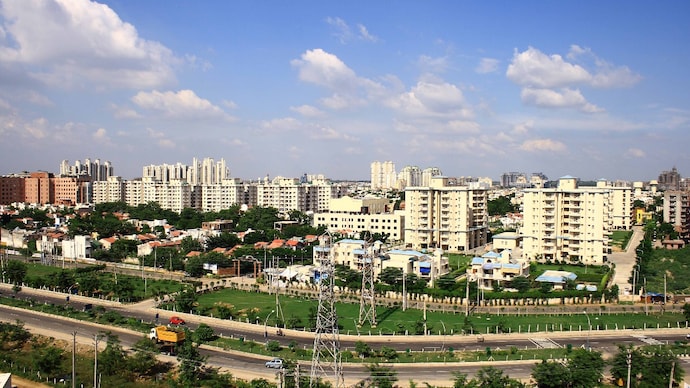
The Delhi High Court has observed that rising property prices in the national capital are creating an unexpected challenge for the judicial system, with even routine property disputes increasingly ending up before the High Court instead of district courts, reported Bar and Bench.
The court noted that many residential properties in Delhi are now valued at more than Rs 2 crore, which is the current pecuniary jurisdiction of civil and district courts. As a result, disputes involving such properties often have to be filed directly before the High Court, increasing both the burden on the court and the cost of litigation for citizens.
The High Court has said the issue may warrant a review of the existing limits so that people do not have to approach the High Court for disputes that are essentially local in nature.
WHY DID THE DELHI HIGH COURT MAKE THIS OBSERVATION?
A Division Bench of Justices Anil Kshetarpal and Tejas Karia recently observed that the existing pecuniary limits no longer reflect the reality of Delhi's property market.
The Bench noted that the sharp increase in real estate prices means that even comparatively modest residential properties are often valued above Rs 2 crore. As a result, disputes involving such properties have to be filed directly before the High Court rather than civil or district courts.
According to the judges, this increases both the cost and inconvenience of litigation for ordinary citizens.
WHAT ARE PECUNIARY LIMITS?
Pecuniary limits refer to the monetary value up to which a court has the authority to hear and decide a case.
In Delhi, civil and district courts can currently hear cases involving claims of up to Rs 2 crore. If the value of the dispute exceeds this amount, the matter generally falls within the jurisdiction of the Delhi High Court.
The High Court observed that while these limits may have been appropriate in the past, they no longer match present-day property values in the national capital.
WHY ARE MORE CASES REACHING THE HIGH COURT?
The judges pointed out that property prices in Delhi have risen significantly over the years.
As a result, cases involving relief such as possession, partition, declaration, injunction or specific performance frequently involve properties valued above Rs 2 crore. This means that even neighbourhood property disputes have to be heard by the High Court.
The Bench observed that this adds to the burden on the High Court while making litigation more expensive and less convenient for those involved.
PROPOSAL TO RAISE THE LIMIT TO Rs 20 CRORE
The observations came while the High Court was hearing a plea seeking to stop the presentation of a report prepared by a committee of seven judges.
The committee was constituted to examine whether the pecuniary jurisdiction of Delhi's district courts should be increased from Rs 2 crore to Rs 20 crore.
The High Court declined to halt the presentation of the report before the Full Court.
CAN THE HIGH COURT CHANGE THE LIMIT?
The Bench clarified that the pecuniary jurisdiction of the Delhi High Court is governed by the Delhi High Court Act, 1966, and any change to these limits can be made only by Parliament.
However, the Court said it is well within its powers to examine issues affecting the administration of justice and make recommendations where necessary.
WHY THE COURT BELIEVES THE ISSUE DESERVES ATTENTION
The judges noted that Delhi has changed dramatically over the past six decades.
The city's population has grown many times over, commercial activity has expanded substantially, and Delhi has become one of India's leading commercial centres. At the same time, judicial infrastructure has also improved, with 11 judicial districts now functioning across the capital.
Given these changes, the Bench said it is worth considering whether the existing pecuniary limits continue to serve the objective of delivering justice efficiently and as close to citizens as possible.
The Court, however, made it clear that the final decision rests with Parliament. The committee's role is only to study the issue and place its recommendations before the Full Court for consideration.
The Delhi High Court has observed that rising property prices in the national capital are creating an unexpected challenge for the judicial system, with even routine property disputes increasingly ending up before the High Court instead of district courts, reported Bar and Bench.
The court noted that many residential properties in Delhi are now valued at more than Rs 2 crore, which is the current pecuniary jurisdiction of civil and district courts. As a result, disputes involving such properties often have to be filed directly before the High Court, increasing both the burden on the court and the cost of litigation for citizens.
The High Court has said the issue may warrant a review of the existing limits so that people do not have to approach the High Court for disputes that are essentially local in nature.
WHY DID THE DELHI HIGH COURT MAKE THIS OBSERVATION?
A Division Bench of Justices Anil Kshetarpal and Tejas Karia recently observed that the existing pecuniary limits no longer reflect the reality of Delhi's property market.
The Bench noted that the sharp increase in real estate prices means that even comparatively modest residential properties are often valued above Rs 2 crore. As a result, disputes involving such properties have to be filed directly before the High Court rather than civil or district courts.
According to the judges, this increases both the cost and inconvenience of litigation for ordinary citizens.
WHAT ARE PECUNIARY LIMITS?
Pecuniary limits refer to the monetary value up to which a court has the authority to hear and decide a case.
In Delhi, civil and district courts can currently hear cases involving claims of up to Rs 2 crore. If the value of the dispute exceeds this amount, the matter generally falls within the jurisdiction of the Delhi High Court.
The High Court observed that while these limits may have been appropriate in the past, they no longer match present-day property values in the national capital.
WHY ARE MORE CASES REACHING THE HIGH COURT?
The judges pointed out that property prices in Delhi have risen significantly over the years.
As a result, cases involving relief such as possession, partition, declaration, injunction or specific performance frequently involve properties valued above Rs 2 crore. This means that even neighbourhood property disputes have to be heard by the High Court.
The Bench observed that this adds to the burden on the High Court while making litigation more expensive and less convenient for those involved.
PROPOSAL TO RAISE THE LIMIT TO Rs 20 CRORE
The observations came while the High Court was hearing a plea seeking to stop the presentation of a report prepared by a committee of seven judges.
The committee was constituted to examine whether the pecuniary jurisdiction of Delhi's district courts should be increased from Rs 2 crore to Rs 20 crore.
The High Court declined to halt the presentation of the report before the Full Court.
CAN THE HIGH COURT CHANGE THE LIMIT?
The Bench clarified that the pecuniary jurisdiction of the Delhi High Court is governed by the Delhi High Court Act, 1966, and any change to these limits can be made only by Parliament.
However, the Court said it is well within its powers to examine issues affecting the administration of justice and make recommendations where necessary.
WHY THE COURT BELIEVES THE ISSUE DESERVES ATTENTION
The judges noted that Delhi has changed dramatically over the past six decades.
The city's population has grown many times over, commercial activity has expanded substantially, and Delhi has become one of India's leading commercial centres. At the same time, judicial infrastructure has also improved, with 11 judicial districts now functioning across the capital.
Given these changes, the Bench said it is worth considering whether the existing pecuniary limits continue to serve the objective of delivering justice efficiently and as close to citizens as possible.
The Court, however, made it clear that the final decision rests with Parliament. The committee's role is only to study the issue and place its recommendations before the Full Court for consideration.

