How FIFA turned the football World Cup into a $15 billion money machine
FIFA used the expanded World Cup, higher ticket prices and new sales channels to drive record revenue. The tournament showed how nearly every part of football's biggest event is now being monetised.
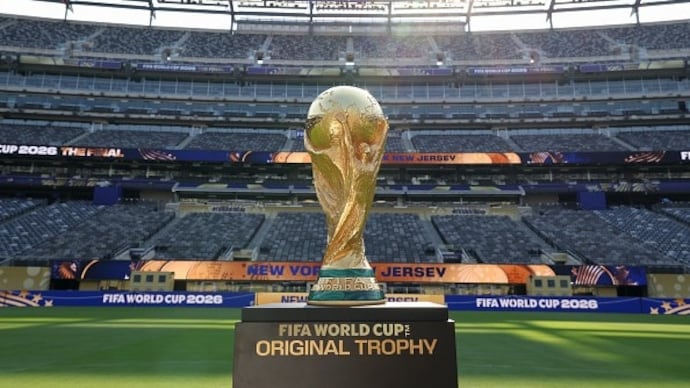
Spain may have lifted the FIFA World Cup trophy, but the tournament's biggest winner never stepped onto the pitch.
The Spanish players celebrated with medals around their necks and millions of dollars in prize money after beating Argentina in the final. Across the tournament, FIFA distributed nearly $1 billion in prize money to the 48 participating teams, rewarding performances on the field.
Away from the stadiums, however, another number stood out. More than $15 billion.
That's how much FIFA now expects to generate from its 2023-2026 commercial cycle, making the 2026 World Cup the most lucrative tournament in its history. Just a year ago, the governing body had projected revenues of around $8.9 billion before repeatedly revising its estimates upward as commercial demand exceeded expectations.
The tournament showed that the modern World Cup is no longer just football's biggest spectacle. It has become one of the world's largest sports businesses, where every extra match, sponsorship deal, television broadcast, hospitality package and ticket sold adds to the bottom line.
MORE MATCHES, MORE MONEY
If there was one decision that transformed FIFA's finances, it was expanding the World Cup from 32 teams to 48.
The change increased the number of matches from 64 to 104–40 additional games spread over a month.
For football fans, it meant more countries, more storylines and more knockout drama.
For FIFA, it meant something equally valuable: more television inventory, more sponsorship exposure, more hospitality packages, more tickets to sell and more opportunities to reach audiences around the world.
The gamble paid off.
FIFA received more than 500 million ticket requests from fans across all 211 member associations during a 33-day application window. Antonio Di Cianni, Director of Advisory at football analytics firm Football Benchmark, told Fortune that stadium utilisation during the group stage was "basically sold out" at 99%, showing that demand remained exceptionally strong despite the larger tournament.
The success has already encouraged FIFA to think bigger. President Gianni Infantino has confirmed discussions over expanding future World Cups to 64 teams, which would increase the number of matches to 128. According to Mark Conrad, Director of the Sports Business Concentration at Fordham University's Gabelli School of Business, more teams and more matches would make future broadcasting rights even more valuable by creating additional programming and advertising opportunities.
WATCHING FOOTBALL HAS NEVER BEEN MORE EXPENSIVE
The record revenues came at a price—quite literally.
The 2026 World Cup became the most expensive tournament for fans to attend.
Group-stage tickets were priced as high as $575, compared with a maximum of $220 during the 2022 World Cup in Qatar. FIFA also introduced dynamic pricing for the first time, allowing ticket prices to rise depending on demand. In several cases, even group-stage tickets crossed $1,000.
According to mobile ticketing platform SeatGeek, cited by Fortune, the average resale price for the World Cup final reached $12,751. On FIFA's own resale platform, one ticket was listed for an eye-watering $2.3 million.
The BBC reported that fans also faced sharply higher travel and accommodation costs. In one example, a return train ticket to New Jersey's MetLife Stadium briefly surged from $12.90 to $150 before being reduced following public criticism.
Despite the soaring prices, demand barely weakened.
EVEN WATER BREAKS BECAME A BUSINESS OPPORTUNITY
The World Cup's commercial success wasn't driven only by ticket sales.
Almost every part of the tournament became a revenue opportunity.
Marion Laboure, Senior Strategist at Deutsche Bank Research, told the BBC that hydration breaks effectively created extra advertising inventory for broadcasters. Fox Sports, which reportedly paid hundreds of millions of dollars for the tournament's US television rights, sold sponsorship around these breaks, with some 30-second advertising slots during major matches reportedly costing several hundred thousand dollars.
FIFA also expanded into the secondary ticket market.
Instead of simply allowing fans to resell tickets, the governing body collected a 15% commission from both buyers and sellers on transactions through its official resale platform, according to the BBC.
In other words, FIFA wasn't just earning when tickets were first sold—it continued making money even after fans traded them.
THE WORLD CUP IS NOW A RETAIL EVENT TOO
The commercial boom stretched well beyond stadiums.
National team jerseys flew off the shelves during the tournament.
According to the BBC, Nike said sales of its football kits were more than double those recorded during the 2022 World Cup. Adidas and retailers including JD Sports also reported strong demand for merchandise as fan interest surged throughout the competition.
For global brands, the World Cup has become much more than a sporting event. It is one of the few occasions capable of attracting billions of viewers across every continent, making sponsorships and merchandise partnerships increasingly valuable.
DID EVERYONE BENEFIT?
Not necessarily.
While FIFA celebrated record revenues, some economists questioned whether host cities enjoyed the same financial rewards.
Alexander Budzier, Fellow in Management Practice at Oxford University and Chief Executive of Oxford Global Projects, told the BBC that mega sporting events often create short-term economic activity without delivering lasting benefits. Since many venues already existed before the tournament, he argued that the World Cup was unlikely to leave behind significant long-term infrastructure gains.
The BBC also reported that several hotels experienced weaker-than-expected occupancy despite months of optimistic forecasts, suggesting that not every business associated with the tournament shared in FIFA's financial success.
FOOTBALL'S BIGGEST BUSINESS IS ONLY GETTING BIGGER
For decades, the FIFA World Cup has been judged by unforgettable goals, iconic players and dramatic finals.
Today, another scorecard matters just as much.
How many matches can be added? How many more fans can be reached? How many additional sponsors, advertisers and broadcasters can be brought in?
The answers are reshaping the economics of football.
From dynamic ticket pricing and resale commissions to advertising during hydration breaks and expanding the tournament itself, the 2026 World Cup showed that almost every aspect of football's biggest event can be monetised.
The players may compete for trophies and prize money.
But the biggest victory belongs to a business model that has turned the world's most popular sporting event into a $15 billion commercial empire.
Spain may have lifted the FIFA World Cup trophy, but the tournament's biggest winner never stepped onto the pitch.
The Spanish players celebrated with medals around their necks and millions of dollars in prize money after beating Argentina in the final. Across the tournament, FIFA distributed nearly $1 billion in prize money to the 48 participating teams, rewarding performances on the field.
Away from the stadiums, however, another number stood out. More than $15 billion.
That's how much FIFA now expects to generate from its 2023-2026 commercial cycle, making the 2026 World Cup the most lucrative tournament in its history. Just a year ago, the governing body had projected revenues of around $8.9 billion before repeatedly revising its estimates upward as commercial demand exceeded expectations.
The tournament showed that the modern World Cup is no longer just football's biggest spectacle. It has become one of the world's largest sports businesses, where every extra match, sponsorship deal, television broadcast, hospitality package and ticket sold adds to the bottom line.
MORE MATCHES, MORE MONEY
If there was one decision that transformed FIFA's finances, it was expanding the World Cup from 32 teams to 48.
The change increased the number of matches from 64 to 104–40 additional games spread over a month.
For football fans, it meant more countries, more storylines and more knockout drama.
For FIFA, it meant something equally valuable: more television inventory, more sponsorship exposure, more hospitality packages, more tickets to sell and more opportunities to reach audiences around the world.
The gamble paid off.
FIFA received more than 500 million ticket requests from fans across all 211 member associations during a 33-day application window. Antonio Di Cianni, Director of Advisory at football analytics firm Football Benchmark, told Fortune that stadium utilisation during the group stage was "basically sold out" at 99%, showing that demand remained exceptionally strong despite the larger tournament.
The success has already encouraged FIFA to think bigger. President Gianni Infantino has confirmed discussions over expanding future World Cups to 64 teams, which would increase the number of matches to 128. According to Mark Conrad, Director of the Sports Business Concentration at Fordham University's Gabelli School of Business, more teams and more matches would make future broadcasting rights even more valuable by creating additional programming and advertising opportunities.
WATCHING FOOTBALL HAS NEVER BEEN MORE EXPENSIVE
The record revenues came at a price—quite literally.
The 2026 World Cup became the most expensive tournament for fans to attend.
Group-stage tickets were priced as high as $575, compared with a maximum of $220 during the 2022 World Cup in Qatar. FIFA also introduced dynamic pricing for the first time, allowing ticket prices to rise depending on demand. In several cases, even group-stage tickets crossed $1,000.
According to mobile ticketing platform SeatGeek, cited by Fortune, the average resale price for the World Cup final reached $12,751. On FIFA's own resale platform, one ticket was listed for an eye-watering $2.3 million.
The BBC reported that fans also faced sharply higher travel and accommodation costs. In one example, a return train ticket to New Jersey's MetLife Stadium briefly surged from $12.90 to $150 before being reduced following public criticism.
Despite the soaring prices, demand barely weakened.
EVEN WATER BREAKS BECAME A BUSINESS OPPORTUNITY
The World Cup's commercial success wasn't driven only by ticket sales.
Almost every part of the tournament became a revenue opportunity.
Marion Laboure, Senior Strategist at Deutsche Bank Research, told the BBC that hydration breaks effectively created extra advertising inventory for broadcasters. Fox Sports, which reportedly paid hundreds of millions of dollars for the tournament's US television rights, sold sponsorship around these breaks, with some 30-second advertising slots during major matches reportedly costing several hundred thousand dollars.
FIFA also expanded into the secondary ticket market.
Instead of simply allowing fans to resell tickets, the governing body collected a 15% commission from both buyers and sellers on transactions through its official resale platform, according to the BBC.
In other words, FIFA wasn't just earning when tickets were first sold—it continued making money even after fans traded them.
THE WORLD CUP IS NOW A RETAIL EVENT TOO
The commercial boom stretched well beyond stadiums.
National team jerseys flew off the shelves during the tournament.
According to the BBC, Nike said sales of its football kits were more than double those recorded during the 2022 World Cup. Adidas and retailers including JD Sports also reported strong demand for merchandise as fan interest surged throughout the competition.
For global brands, the World Cup has become much more than a sporting event. It is one of the few occasions capable of attracting billions of viewers across every continent, making sponsorships and merchandise partnerships increasingly valuable.
DID EVERYONE BENEFIT?
Not necessarily.
While FIFA celebrated record revenues, some economists questioned whether host cities enjoyed the same financial rewards.
Alexander Budzier, Fellow in Management Practice at Oxford University and Chief Executive of Oxford Global Projects, told the BBC that mega sporting events often create short-term economic activity without delivering lasting benefits. Since many venues already existed before the tournament, he argued that the World Cup was unlikely to leave behind significant long-term infrastructure gains.
The BBC also reported that several hotels experienced weaker-than-expected occupancy despite months of optimistic forecasts, suggesting that not every business associated with the tournament shared in FIFA's financial success.
FOOTBALL'S BIGGEST BUSINESS IS ONLY GETTING BIGGER
For decades, the FIFA World Cup has been judged by unforgettable goals, iconic players and dramatic finals.
Today, another scorecard matters just as much.
How many matches can be added? How many more fans can be reached? How many additional sponsors, advertisers and broadcasters can be brought in?
The answers are reshaping the economics of football.
From dynamic ticket pricing and resale commissions to advertising during hydration breaks and expanding the tournament itself, the 2026 World Cup showed that almost every aspect of football's biggest event can be monetised.
The players may compete for trophies and prize money.
But the biggest victory belongs to a business model that has turned the world's most popular sporting event into a $15 billion commercial empire.
Spain may have lifted the FIFA World Cup trophy, but the tournament's biggest winner never stepped onto the pitch.
The Spanish players celebrated with medals around their necks and millions of dollars in prize money after beating Argentina in the final. Across the tournament, FIFA distributed nearly $1 billion in prize money to the 48 participating teams, rewarding performances on the field.
Away from the stadiums, however, another number stood out. More than $15 billion.
That's how much FIFA now expects to generate from its 2023-2026 commercial cycle, making the 2026 World Cup the most lucrative tournament in its history. Just a year ago, the governing body had projected revenues of around $8.9 billion before repeatedly revising its estimates upward as commercial demand exceeded expectations.
The tournament showed that the modern World Cup is no longer just football's biggest spectacle. It has become one of the world's largest sports businesses, where every extra match, sponsorship deal, television broadcast, hospitality package and ticket sold adds to the bottom line.
MORE MATCHES, MORE MONEY
If there was one decision that transformed FIFA's finances, it was expanding the World Cup from 32 teams to 48.
The change increased the number of matches from 64 to 104–40 additional games spread over a month.
For football fans, it meant more countries, more storylines and more knockout drama.
For FIFA, it meant something equally valuable: more television inventory, more sponsorship exposure, more hospitality packages, more tickets to sell and more opportunities to reach audiences around the world.
The gamble paid off.
FIFA received more than 500 million ticket requests from fans across all 211 member associations during a 33-day application window. Antonio Di Cianni, Director of Advisory at football analytics firm Football Benchmark, told Fortune that stadium utilisation during the group stage was "basically sold out" at 99%, showing that demand remained exceptionally strong despite the larger tournament.
The success has already encouraged FIFA to think bigger. President Gianni Infantino has confirmed discussions over expanding future World Cups to 64 teams, which would increase the number of matches to 128. According to Mark Conrad, Director of the Sports Business Concentration at Fordham University's Gabelli School of Business, more teams and more matches would make future broadcasting rights even more valuable by creating additional programming and advertising opportunities.
WATCHING FOOTBALL HAS NEVER BEEN MORE EXPENSIVE
The record revenues came at a price—quite literally.
The 2026 World Cup became the most expensive tournament for fans to attend.
Group-stage tickets were priced as high as $575, compared with a maximum of $220 during the 2022 World Cup in Qatar. FIFA also introduced dynamic pricing for the first time, allowing ticket prices to rise depending on demand. In several cases, even group-stage tickets crossed $1,000.
According to mobile ticketing platform SeatGeek, cited by Fortune, the average resale price for the World Cup final reached $12,751. On FIFA's own resale platform, one ticket was listed for an eye-watering $2.3 million.
The BBC reported that fans also faced sharply higher travel and accommodation costs. In one example, a return train ticket to New Jersey's MetLife Stadium briefly surged from $12.90 to $150 before being reduced following public criticism.
Despite the soaring prices, demand barely weakened.
EVEN WATER BREAKS BECAME A BUSINESS OPPORTUNITY
The World Cup's commercial success wasn't driven only by ticket sales.
Almost every part of the tournament became a revenue opportunity.
Marion Laboure, Senior Strategist at Deutsche Bank Research, told the BBC that hydration breaks effectively created extra advertising inventory for broadcasters. Fox Sports, which reportedly paid hundreds of millions of dollars for the tournament's US television rights, sold sponsorship around these breaks, with some 30-second advertising slots during major matches reportedly costing several hundred thousand dollars.
FIFA also expanded into the secondary ticket market.
Instead of simply allowing fans to resell tickets, the governing body collected a 15% commission from both buyers and sellers on transactions through its official resale platform, according to the BBC.
In other words, FIFA wasn't just earning when tickets were first sold—it continued making money even after fans traded them.
THE WORLD CUP IS NOW A RETAIL EVENT TOO
The commercial boom stretched well beyond stadiums.
National team jerseys flew off the shelves during the tournament.
According to the BBC, Nike said sales of its football kits were more than double those recorded during the 2022 World Cup. Adidas and retailers including JD Sports also reported strong demand for merchandise as fan interest surged throughout the competition.
For global brands, the World Cup has become much more than a sporting event. It is one of the few occasions capable of attracting billions of viewers across every continent, making sponsorships and merchandise partnerships increasingly valuable.
DID EVERYONE BENEFIT?
Not necessarily.
While FIFA celebrated record revenues, some economists questioned whether host cities enjoyed the same financial rewards.
Alexander Budzier, Fellow in Management Practice at Oxford University and Chief Executive of Oxford Global Projects, told the BBC that mega sporting events often create short-term economic activity without delivering lasting benefits. Since many venues already existed before the tournament, he argued that the World Cup was unlikely to leave behind significant long-term infrastructure gains.
The BBC also reported that several hotels experienced weaker-than-expected occupancy despite months of optimistic forecasts, suggesting that not every business associated with the tournament shared in FIFA's financial success.
FOOTBALL'S BIGGEST BUSINESS IS ONLY GETTING BIGGER
For decades, the FIFA World Cup has been judged by unforgettable goals, iconic players and dramatic finals.
Today, another scorecard matters just as much.
How many matches can be added? How many more fans can be reached? How many additional sponsors, advertisers and broadcasters can be brought in?
The answers are reshaping the economics of football.
From dynamic ticket pricing and resale commissions to advertising during hydration breaks and expanding the tournament itself, the 2026 World Cup showed that almost every aspect of football's biggest event can be monetised.
The players may compete for trophies and prize money.
But the biggest victory belongs to a business model that has turned the world's most popular sporting event into a $15 billion commercial empire.

