J&J's $5.5 billion talc settlement: A look at the biggest corporate payouts in history
Johnson & Johnson has offered to pay $5.5 billion to settle nearly 76,000 lawsuits alleging its talc-based baby powder caused ovarian cancer. While the payout is among the largest product liability settlements in recent years, it is far from the biggest cheque written by Corporate America. Here's how it compares with some of the largest legal settlements in history.
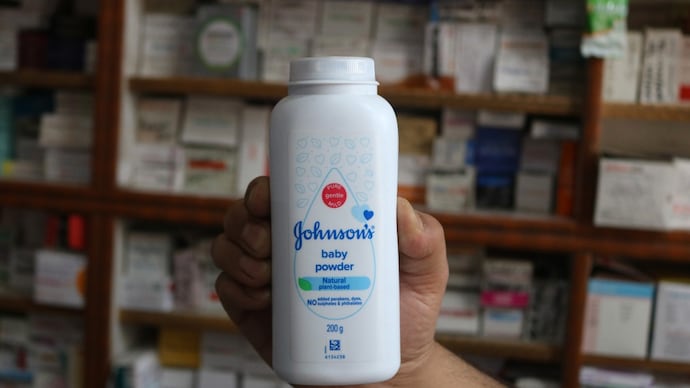
Johnson & Johnson's offer to pay an estimated $5.5 billion to settle thousands of lawsuits linked to its talc-based baby powder marks the latest addition to a growing list of multibillion-dollar corporate settlements in the United States.
The proposed deal covers around 76,000 existing lawsuits alleging that prolonged use of the company's talc products caused ovarian cancer.
Although J&J continues to deny the allegations and insists its products are safe, the company says the settlement is aimed at finally bringing more than a decade of litigation to a close.
The payout is enormous by any standard. But compared with some of the biggest corporate settlements ever, it still sits behind several landmark cases involving environmental disasters, emissions fraud, opioids and defective products.
WHAT IS J&J'S $5.5 BILLION SETTLEMENT?
Under the proposed agreement, Johnson & Johnson will pay around $3 billion in 2027, with the remaining amount scheduled for 2028.
The settlement will only become effective if at least 95% of eligible claimants agree to participate. Because payments are based on the number of qualifying claims rather than a fixed ceiling, lawyers representing the plaintiffs say the total payout could eventually exceed $7 billion.
The company had previously attempted to resolve the litigation through a controversial bankruptcy strategy involving a subsidiary. However, US courts rejected those efforts, forcing J&J back to the negotiating table.
THE BIGGEST CORPORATE SETTLEMENTS
Tobacco industry – $206 billion (1998)
The largest corporate settlement in US history remains the Master Settlement Agreement signed by the four biggest American tobacco companies.
The companies agreed to pay more than $206 billion over 25 years to 46 US states to compensate for smoking-related healthcare costs and accepted sweeping restrictions on tobacco advertising and marketing.
National opioid settlement – More than $26 billion (2021)
The opioid crisis led to another record-breaking payout.
Drug distributors McKesson, Cardinal Health and AmerisourceBergen, along with Johnson & Johnson, agreed to pay more than $26 billion to settle lawsuits filed by US states and local governments over their role in the opioid epidemic.
BP – $20 billion (2016)
BP reached a settlement worth about $20 billion following the Deepwater Horizon disaster, one of the worst oil spills in history.
The agreement covered environmental restoration, federal penalties and compensation for states and local governments affected by the spill.
Volkswagen – $14.7 billion (2016)
Volkswagen agreed to pay $14.7 billion after regulators discovered the company had installed software to manipulate diesel emissions tests.
The settlement funded vehicle buybacks, environmental mitigation programmes and compensation for hundreds of thousands of vehicle owners in the United States.
Bayer's Roundup litigation – Around $11 billion
German pharmaceutical and chemicals company Bayer has agreed to pay roughly $11 billion to settle more than 100,000 lawsuits alleging that its Roundup weedkiller caused cancer.
Although thousands of cases have been resolved, litigation continues in US courts.
Purdue Pharma and the Sackler family – $7.4 billion (2025)
Purdue Pharma and the Sackler family agreed to a revised $7.4 billion settlement to resolve claims linked to the opioid crisis after an earlier agreement was struck down by the US Supreme Court.
The deal also required the Sackler family to give up ownership of the company.
3M – $6 billion (2023)
Manufacturing giant 3M agreed to pay $6 billion to settle around 260,000 lawsuits filed by US military veterans who alleged that defective earplugs supplied by the company caused hearing loss.
The payout is being made through a combination of cash and company stock over several years.
Johnson & Johnson – $5.5 billion (2026)
J&J's proposed settlement now joins this list as one of the largest product liability payouts in recent years.
If more claimants opt into the agreement, the final payout could exceed $7 billion, making it even larger than initially estimated.
WHY ARE CORPORATE SETTLEMENTS GETTING BIGGER?
Large corporate settlements have become increasingly common over the past decade as companies face more class-action lawsuits and mass tort litigation.
Another factor is the rise of so-called "nuclear verdicts"—jury awards running into tens or even hundreds of millions of dollars. Faced with the uncertainty of lengthy court battles and potentially much larger damages, many companies are choosing to negotiate multibillion-dollar settlements instead.
Johnson & Johnson's $5.5 billion payout is one of the biggest product liability settlements in recent years, but it is not the largest corporate settlement by a long shot. From BP's Deepwater Horizon disaster and Volkswagen's Dieselgate scandal to the opioid crisis and the tobacco industry's landmark agreement, some of the world's biggest companies have collectively paid hundreds of billions of dollars to resolve legal battles.
The latest J&J settlement is another reminder that large-scale litigation can carry a financial cost running into billions of dollar, even for some of the world's most valuable corporations.
Johnson & Johnson's offer to pay an estimated $5.5 billion to settle thousands of lawsuits linked to its talc-based baby powder marks the latest addition to a growing list of multibillion-dollar corporate settlements in the United States.
The proposed deal covers around 76,000 existing lawsuits alleging that prolonged use of the company's talc products caused ovarian cancer.
Although J&J continues to deny the allegations and insists its products are safe, the company says the settlement is aimed at finally bringing more than a decade of litigation to a close.
The payout is enormous by any standard. But compared with some of the biggest corporate settlements ever, it still sits behind several landmark cases involving environmental disasters, emissions fraud, opioids and defective products.
WHAT IS J&J'S $5.5 BILLION SETTLEMENT?
Under the proposed agreement, Johnson & Johnson will pay around $3 billion in 2027, with the remaining amount scheduled for 2028.
The settlement will only become effective if at least 95% of eligible claimants agree to participate. Because payments are based on the number of qualifying claims rather than a fixed ceiling, lawyers representing the plaintiffs say the total payout could eventually exceed $7 billion.
The company had previously attempted to resolve the litigation through a controversial bankruptcy strategy involving a subsidiary. However, US courts rejected those efforts, forcing J&J back to the negotiating table.
THE BIGGEST CORPORATE SETTLEMENTS
Tobacco industry – $206 billion (1998)
The largest corporate settlement in US history remains the Master Settlement Agreement signed by the four biggest American tobacco companies.
The companies agreed to pay more than $206 billion over 25 years to 46 US states to compensate for smoking-related healthcare costs and accepted sweeping restrictions on tobacco advertising and marketing.
National opioid settlement – More than $26 billion (2021)
The opioid crisis led to another record-breaking payout.
Drug distributors McKesson, Cardinal Health and AmerisourceBergen, along with Johnson & Johnson, agreed to pay more than $26 billion to settle lawsuits filed by US states and local governments over their role in the opioid epidemic.
BP – $20 billion (2016)
BP reached a settlement worth about $20 billion following the Deepwater Horizon disaster, one of the worst oil spills in history.
The agreement covered environmental restoration, federal penalties and compensation for states and local governments affected by the spill.
Volkswagen – $14.7 billion (2016)
Volkswagen agreed to pay $14.7 billion after regulators discovered the company had installed software to manipulate diesel emissions tests.
The settlement funded vehicle buybacks, environmental mitigation programmes and compensation for hundreds of thousands of vehicle owners in the United States.
Bayer's Roundup litigation – Around $11 billion
German pharmaceutical and chemicals company Bayer has agreed to pay roughly $11 billion to settle more than 100,000 lawsuits alleging that its Roundup weedkiller caused cancer.
Although thousands of cases have been resolved, litigation continues in US courts.
Purdue Pharma and the Sackler family – $7.4 billion (2025)
Purdue Pharma and the Sackler family agreed to a revised $7.4 billion settlement to resolve claims linked to the opioid crisis after an earlier agreement was struck down by the US Supreme Court.
The deal also required the Sackler family to give up ownership of the company.
3M – $6 billion (2023)
Manufacturing giant 3M agreed to pay $6 billion to settle around 260,000 lawsuits filed by US military veterans who alleged that defective earplugs supplied by the company caused hearing loss.
The payout is being made through a combination of cash and company stock over several years.
Johnson & Johnson – $5.5 billion (2026)
J&J's proposed settlement now joins this list as one of the largest product liability payouts in recent years.
If more claimants opt into the agreement, the final payout could exceed $7 billion, making it even larger than initially estimated.
WHY ARE CORPORATE SETTLEMENTS GETTING BIGGER?
Large corporate settlements have become increasingly common over the past decade as companies face more class-action lawsuits and mass tort litigation.
Another factor is the rise of so-called "nuclear verdicts"—jury awards running into tens or even hundreds of millions of dollars. Faced with the uncertainty of lengthy court battles and potentially much larger damages, many companies are choosing to negotiate multibillion-dollar settlements instead.
Johnson & Johnson's $5.5 billion payout is one of the biggest product liability settlements in recent years, but it is not the largest corporate settlement by a long shot. From BP's Deepwater Horizon disaster and Volkswagen's Dieselgate scandal to the opioid crisis and the tobacco industry's landmark agreement, some of the world's biggest companies have collectively paid hundreds of billions of dollars to resolve legal battles.
The latest J&J settlement is another reminder that large-scale litigation can carry a financial cost running into billions of dollar, even for some of the world's most valuable corporations.
Johnson & Johnson's offer to pay an estimated $5.5 billion to settle thousands of lawsuits linked to its talc-based baby powder marks the latest addition to a growing list of multibillion-dollar corporate settlements in the United States.
The proposed deal covers around 76,000 existing lawsuits alleging that prolonged use of the company's talc products caused ovarian cancer.
Although J&J continues to deny the allegations and insists its products are safe, the company says the settlement is aimed at finally bringing more than a decade of litigation to a close.
The payout is enormous by any standard. But compared with some of the biggest corporate settlements ever, it still sits behind several landmark cases involving environmental disasters, emissions fraud, opioids and defective products.
WHAT IS J&J'S $5.5 BILLION SETTLEMENT?
Under the proposed agreement, Johnson & Johnson will pay around $3 billion in 2027, with the remaining amount scheduled for 2028.
The settlement will only become effective if at least 95% of eligible claimants agree to participate. Because payments are based on the number of qualifying claims rather than a fixed ceiling, lawyers representing the plaintiffs say the total payout could eventually exceed $7 billion.
The company had previously attempted to resolve the litigation through a controversial bankruptcy strategy involving a subsidiary. However, US courts rejected those efforts, forcing J&J back to the negotiating table.
THE BIGGEST CORPORATE SETTLEMENTS
Tobacco industry – $206 billion (1998)
The largest corporate settlement in US history remains the Master Settlement Agreement signed by the four biggest American tobacco companies.
The companies agreed to pay more than $206 billion over 25 years to 46 US states to compensate for smoking-related healthcare costs and accepted sweeping restrictions on tobacco advertising and marketing.
National opioid settlement – More than $26 billion (2021)
The opioid crisis led to another record-breaking payout.
Drug distributors McKesson, Cardinal Health and AmerisourceBergen, along with Johnson & Johnson, agreed to pay more than $26 billion to settle lawsuits filed by US states and local governments over their role in the opioid epidemic.
BP – $20 billion (2016)
BP reached a settlement worth about $20 billion following the Deepwater Horizon disaster, one of the worst oil spills in history.
The agreement covered environmental restoration, federal penalties and compensation for states and local governments affected by the spill.
Volkswagen – $14.7 billion (2016)
Volkswagen agreed to pay $14.7 billion after regulators discovered the company had installed software to manipulate diesel emissions tests.
The settlement funded vehicle buybacks, environmental mitigation programmes and compensation for hundreds of thousands of vehicle owners in the United States.
Bayer's Roundup litigation – Around $11 billion
German pharmaceutical and chemicals company Bayer has agreed to pay roughly $11 billion to settle more than 100,000 lawsuits alleging that its Roundup weedkiller caused cancer.
Although thousands of cases have been resolved, litigation continues in US courts.
Purdue Pharma and the Sackler family – $7.4 billion (2025)
Purdue Pharma and the Sackler family agreed to a revised $7.4 billion settlement to resolve claims linked to the opioid crisis after an earlier agreement was struck down by the US Supreme Court.
The deal also required the Sackler family to give up ownership of the company.
3M – $6 billion (2023)
Manufacturing giant 3M agreed to pay $6 billion to settle around 260,000 lawsuits filed by US military veterans who alleged that defective earplugs supplied by the company caused hearing loss.
The payout is being made through a combination of cash and company stock over several years.
Johnson & Johnson – $5.5 billion (2026)
J&J's proposed settlement now joins this list as one of the largest product liability payouts in recent years.
If more claimants opt into the agreement, the final payout could exceed $7 billion, making it even larger than initially estimated.
WHY ARE CORPORATE SETTLEMENTS GETTING BIGGER?
Large corporate settlements have become increasingly common over the past decade as companies face more class-action lawsuits and mass tort litigation.
Another factor is the rise of so-called "nuclear verdicts"—jury awards running into tens or even hundreds of millions of dollars. Faced with the uncertainty of lengthy court battles and potentially much larger damages, many companies are choosing to negotiate multibillion-dollar settlements instead.
Johnson & Johnson's $5.5 billion payout is one of the biggest product liability settlements in recent years, but it is not the largest corporate settlement by a long shot. From BP's Deepwater Horizon disaster and Volkswagen's Dieselgate scandal to the opioid crisis and the tobacco industry's landmark agreement, some of the world's biggest companies have collectively paid hundreds of billions of dollars to resolve legal battles.
The latest J&J settlement is another reminder that large-scale litigation can carry a financial cost running into billions of dollar, even for some of the world's most valuable corporations.

