Retaining users is really hard: Nithin Kamath on broking business' biggest challenge
Kamath said one of the biggest hurdles for stockbrokers is user retention. While many people open trading accounts, not all continue investing or trading for years.
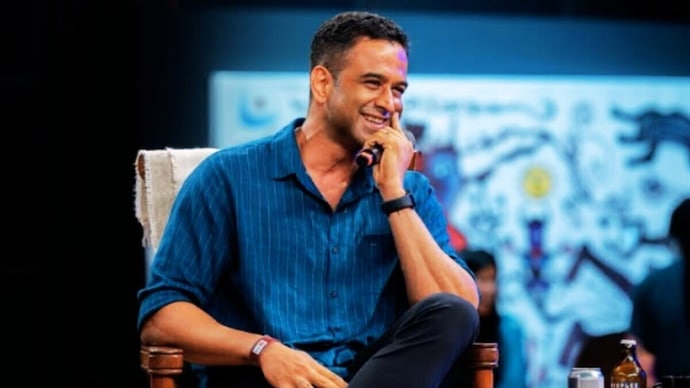
Building a large customer base is only one part of running a stockbroking business. Keeping those customers active over the long term is an even bigger challenge, according to Zerodha founder and CEO Nithin Kamath.
Sharing his views on the broking industry on X, Kamath said that many investors eventually stop participating in the markets after suffering losses or exhausting their capital. As a result, brokerages constantly need to bring in new users just to maintain their existing customer base.
RETAINING INVESTORS IS THE REAL CHALLENGE
Kamath said one of the biggest hurdles for stockbrokers is user retention. While many people open trading accounts, not all continue investing or trading for years.
"One of the biggest challenges of the broking industry is that retaining users is really, really hard. The reason is that most users eventually end up blowing up their accounts. And this isn't limited to F&O; it happens in equities as well."
According to him, the issue is not limited to the futures and options (F&O) segment, which is often associated with high-risk trading. Even investors in the equity market eventually become inactive.
He added that brokerages are forced to continuously acquire new customers simply to keep their business stable.
"So, you have to keep running just to stand still, to maintain the number of users on the platform and ensure that the business remains steady."
Kamath also shared internal data that, according to him, paints a relatively positive picture for Zerodha.
He said around 55% to 60% of the company's users are still active on the platform. He clarified that 'active' refers to customers who continue to hold investments in their accounts.
"We were looking at some statistics, and one of the surprising things we found was that roughly 55-60% of our users are still active. By active, I mean people who have holdings in their accounts."
While he did not disclose the exact figures for competitors, Kamath said industry estimates suggest that the percentage of active users is significantly lower across the broader broking industry.
Kamath believes one reason behind Zerodha's higher retention could be its approach to customer acquisition.
Unlike many financial platforms, Zerodha has largely stayed away from traditional advertising and aggressive marketing campaigns. As a result, he said the company may have attracted users who are more serious about investing rather than those who open accounts but rarely use them.
"The best proxy we have for the broader industry suggests that this number is much, much lower elsewhere."
"This may be partly due to the fact that we have never advertised and don't have a lot of new users who typically don't trade and invest much."
WHAT THIS MEANS FOR THE BROKING INDUSTRY
Kamath's comments highlight a less-discussed aspect of the online broking business. While customer acquisition often grabs attention, long-term engagement is equally important. Investors who continue holding investments and stay connected to the markets help create a more stable customer base.
His remarks also underline a broader trend in the investment industry: opening a demat account is easy, but staying invested and managing money responsibly over the long run remains the bigger challenge for many retail investors.
Building a large customer base is only one part of running a stockbroking business. Keeping those customers active over the long term is an even bigger challenge, according to Zerodha founder and CEO Nithin Kamath.
Sharing his views on the broking industry on X, Kamath said that many investors eventually stop participating in the markets after suffering losses or exhausting their capital. As a result, brokerages constantly need to bring in new users just to maintain their existing customer base.
RETAINING INVESTORS IS THE REAL CHALLENGE
Kamath said one of the biggest hurdles for stockbrokers is user retention. While many people open trading accounts, not all continue investing or trading for years.
"One of the biggest challenges of the broking industry is that retaining users is really, really hard. The reason is that most users eventually end up blowing up their accounts. And this isn't limited to F&O; it happens in equities as well."
According to him, the issue is not limited to the futures and options (F&O) segment, which is often associated with high-risk trading. Even investors in the equity market eventually become inactive.
He added that brokerages are forced to continuously acquire new customers simply to keep their business stable.
"So, you have to keep running just to stand still, to maintain the number of users on the platform and ensure that the business remains steady."
Kamath also shared internal data that, according to him, paints a relatively positive picture for Zerodha.
He said around 55% to 60% of the company's users are still active on the platform. He clarified that 'active' refers to customers who continue to hold investments in their accounts.
"We were looking at some statistics, and one of the surprising things we found was that roughly 55-60% of our users are still active. By active, I mean people who have holdings in their accounts."
While he did not disclose the exact figures for competitors, Kamath said industry estimates suggest that the percentage of active users is significantly lower across the broader broking industry.
Kamath believes one reason behind Zerodha's higher retention could be its approach to customer acquisition.
Unlike many financial platforms, Zerodha has largely stayed away from traditional advertising and aggressive marketing campaigns. As a result, he said the company may have attracted users who are more serious about investing rather than those who open accounts but rarely use them.
"The best proxy we have for the broader industry suggests that this number is much, much lower elsewhere."
"This may be partly due to the fact that we have never advertised and don't have a lot of new users who typically don't trade and invest much."
WHAT THIS MEANS FOR THE BROKING INDUSTRY
Kamath's comments highlight a less-discussed aspect of the online broking business. While customer acquisition often grabs attention, long-term engagement is equally important. Investors who continue holding investments and stay connected to the markets help create a more stable customer base.
His remarks also underline a broader trend in the investment industry: opening a demat account is easy, but staying invested and managing money responsibly over the long run remains the bigger challenge for many retail investors.
Building a large customer base is only one part of running a stockbroking business. Keeping those customers active over the long term is an even bigger challenge, according to Zerodha founder and CEO Nithin Kamath.
Sharing his views on the broking industry on X, Kamath said that many investors eventually stop participating in the markets after suffering losses or exhausting their capital. As a result, brokerages constantly need to bring in new users just to maintain their existing customer base.
RETAINING INVESTORS IS THE REAL CHALLENGE
Kamath said one of the biggest hurdles for stockbrokers is user retention. While many people open trading accounts, not all continue investing or trading for years.
"One of the biggest challenges of the broking industry is that retaining users is really, really hard. The reason is that most users eventually end up blowing up their accounts. And this isn't limited to F&O; it happens in equities as well."
According to him, the issue is not limited to the futures and options (F&O) segment, which is often associated with high-risk trading. Even investors in the equity market eventually become inactive.
He added that brokerages are forced to continuously acquire new customers simply to keep their business stable.
"So, you have to keep running just to stand still, to maintain the number of users on the platform and ensure that the business remains steady."
Kamath also shared internal data that, according to him, paints a relatively positive picture for Zerodha.
He said around 55% to 60% of the company's users are still active on the platform. He clarified that 'active' refers to customers who continue to hold investments in their accounts.
"We were looking at some statistics, and one of the surprising things we found was that roughly 55-60% of our users are still active. By active, I mean people who have holdings in their accounts."
While he did not disclose the exact figures for competitors, Kamath said industry estimates suggest that the percentage of active users is significantly lower across the broader broking industry.
Kamath believes one reason behind Zerodha's higher retention could be its approach to customer acquisition.
Unlike many financial platforms, Zerodha has largely stayed away from traditional advertising and aggressive marketing campaigns. As a result, he said the company may have attracted users who are more serious about investing rather than those who open accounts but rarely use them.
"The best proxy we have for the broader industry suggests that this number is much, much lower elsewhere."
"This may be partly due to the fact that we have never advertised and don't have a lot of new users who typically don't trade and invest much."
WHAT THIS MEANS FOR THE BROKING INDUSTRY
Kamath's comments highlight a less-discussed aspect of the online broking business. While customer acquisition often grabs attention, long-term engagement is equally important. Investors who continue holding investments and stay connected to the markets help create a more stable customer base.
His remarks also underline a broader trend in the investment industry: opening a demat account is easy, but staying invested and managing money responsibly over the long run remains the bigger challenge for many retail investors.

