India's hidden Rs 14 lakh crore problem: How rust is hurting the economy
A Nomura report says corrosion is costing India about Rs 14.15 lakh crore a year across key sectors. It says stronger, climate-specific protection standards could lift productivity and improve asset safety.
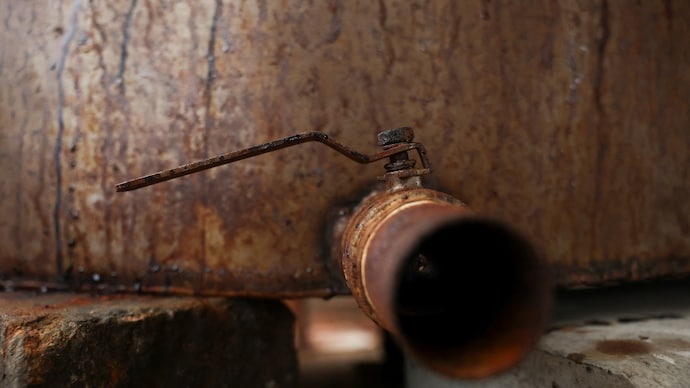
India loses an estimated Rs 14 lakh crore every year because of a problem most people rarely think about—rust.
Corrosion, the gradual deterioration of metals due to environmental exposure, is quietly eating away at the country's bridges, highways, railways, ports, power infrastructure and industrial assets, forcing expensive repairs and replacements.
According to a Nomura report cited by The Economic Times, these losses amount to around 4.3% of India's GDP annually. The report says that adopting better corrosion protection measures could increase India's GDP by as much as 1.5%.
WHY IS RUST SUCH A BIG PROBLEM?
Corrosion is far more than a maintenance issue. As steel structures weaken over time, governments and companies have to spend more money repairing or replacing assets that could otherwise have lasted much longer.
According to the Nomura report, corrosion increases public spending on infrastructure maintenance, reduces the productivity of national assets, strains government finances and even poses risks to public safety.
In other words, money that could have gone into building new infrastructure is instead spent fixing existing assets that have deteriorated prematurely.
WHICH SECTORS ARE HIT THE HARDEST?
The report says the biggest impact is seen in the power generation and transmission sector, followed by telecommunications, automotive, infrastructure and railways.
These sectors rely heavily on steel and metal components that are constantly exposed to moisture, pollution, heat and chemicals, making them particularly vulnerable to corrosion.
As per an estimate in the report, corrosion costs the infrastructure sector more than Rs 1.41 lakh crore annually, while losses in the power sector are pegged at nearly Rs 53,860 crore, telecommunications at Rs 38,320 crore, railways at Rs 23,788 crore and the automotive sector at Rs 87,098 crore.
Overall, the report estimates annual corrosion-related losses at about Rs 14.15 lakh crore.
WHY INDIA IS MORE VULNERABLE
According to Nomura, India's climatic conditions make the problem worse.
Heavy monsoon rains, high humidity and saline conditions in many coastal regions accelerate corrosion, especially in infrastructure such as bridges, highways and ports.
Despite this, the report says India largely follows uniform construction specifications across different climatic conditions, unlike countries such as the US and Japan, which classify infrastructure based on environmental exposure and prescribe suitable corrosion protection measures.
The report says India already has Bureau of Indian Standards (BIS) norms that require corrosion protection, but they do not specify which methods should be used under different environmental conditions.
As a result, contractors often have the flexibility to choose only the minimum level of protection instead of adopting the most effective techniques.
The report recommends mandatory corrosion protection measures, stricter enforcement of standards, better compliance and greater awareness across the infrastructure sector. It also calls for Indian standards to be aligned more closely with global benchmarks to improve the durability and safety of long-term assets.
For most Indians, corrosion may seem like a technical engineering issue. But its economic impact is enormous.
Every rupee spent repairing rust-damaged bridges, railway tracks, power infrastructure or industrial equipment is money that cannot be invested elsewhere. Beyond the financial burden, deteriorating infrastructure can also affect public safety, disrupt essential services and shorten the lifespan of expensive public assets.
The Nomura report suggests that tackling corrosion more effectively is not just about preventing rust—it could also help improve productivity, reduce infrastructure costs and add as much as 1.5% to India's GDP over time.
India loses an estimated Rs 14 lakh crore every year because of a problem most people rarely think about—rust.
Corrosion, the gradual deterioration of metals due to environmental exposure, is quietly eating away at the country's bridges, highways, railways, ports, power infrastructure and industrial assets, forcing expensive repairs and replacements.
According to a Nomura report cited by The Economic Times, these losses amount to around 4.3% of India's GDP annually. The report says that adopting better corrosion protection measures could increase India's GDP by as much as 1.5%.
WHY IS RUST SUCH A BIG PROBLEM?
Corrosion is far more than a maintenance issue. As steel structures weaken over time, governments and companies have to spend more money repairing or replacing assets that could otherwise have lasted much longer.
According to the Nomura report, corrosion increases public spending on infrastructure maintenance, reduces the productivity of national assets, strains government finances and even poses risks to public safety.
In other words, money that could have gone into building new infrastructure is instead spent fixing existing assets that have deteriorated prematurely.
WHICH SECTORS ARE HIT THE HARDEST?
The report says the biggest impact is seen in the power generation and transmission sector, followed by telecommunications, automotive, infrastructure and railways.
These sectors rely heavily on steel and metal components that are constantly exposed to moisture, pollution, heat and chemicals, making them particularly vulnerable to corrosion.
As per an estimate in the report, corrosion costs the infrastructure sector more than Rs 1.41 lakh crore annually, while losses in the power sector are pegged at nearly Rs 53,860 crore, telecommunications at Rs 38,320 crore, railways at Rs 23,788 crore and the automotive sector at Rs 87,098 crore.
Overall, the report estimates annual corrosion-related losses at about Rs 14.15 lakh crore.
WHY INDIA IS MORE VULNERABLE
According to Nomura, India's climatic conditions make the problem worse.
Heavy monsoon rains, high humidity and saline conditions in many coastal regions accelerate corrosion, especially in infrastructure such as bridges, highways and ports.
Despite this, the report says India largely follows uniform construction specifications across different climatic conditions, unlike countries such as the US and Japan, which classify infrastructure based on environmental exposure and prescribe suitable corrosion protection measures.
The report says India already has Bureau of Indian Standards (BIS) norms that require corrosion protection, but they do not specify which methods should be used under different environmental conditions.
As a result, contractors often have the flexibility to choose only the minimum level of protection instead of adopting the most effective techniques.
The report recommends mandatory corrosion protection measures, stricter enforcement of standards, better compliance and greater awareness across the infrastructure sector. It also calls for Indian standards to be aligned more closely with global benchmarks to improve the durability and safety of long-term assets.
For most Indians, corrosion may seem like a technical engineering issue. But its economic impact is enormous.
Every rupee spent repairing rust-damaged bridges, railway tracks, power infrastructure or industrial equipment is money that cannot be invested elsewhere. Beyond the financial burden, deteriorating infrastructure can also affect public safety, disrupt essential services and shorten the lifespan of expensive public assets.
The Nomura report suggests that tackling corrosion more effectively is not just about preventing rust—it could also help improve productivity, reduce infrastructure costs and add as much as 1.5% to India's GDP over time.
India loses an estimated Rs 14 lakh crore every year because of a problem most people rarely think about—rust.
Corrosion, the gradual deterioration of metals due to environmental exposure, is quietly eating away at the country's bridges, highways, railways, ports, power infrastructure and industrial assets, forcing expensive repairs and replacements.
According to a Nomura report cited by The Economic Times, these losses amount to around 4.3% of India's GDP annually. The report says that adopting better corrosion protection measures could increase India's GDP by as much as 1.5%.
WHY IS RUST SUCH A BIG PROBLEM?
Corrosion is far more than a maintenance issue. As steel structures weaken over time, governments and companies have to spend more money repairing or replacing assets that could otherwise have lasted much longer.
According to the Nomura report, corrosion increases public spending on infrastructure maintenance, reduces the productivity of national assets, strains government finances and even poses risks to public safety.
In other words, money that could have gone into building new infrastructure is instead spent fixing existing assets that have deteriorated prematurely.
WHICH SECTORS ARE HIT THE HARDEST?
The report says the biggest impact is seen in the power generation and transmission sector, followed by telecommunications, automotive, infrastructure and railways.
These sectors rely heavily on steel and metal components that are constantly exposed to moisture, pollution, heat and chemicals, making them particularly vulnerable to corrosion.
As per an estimate in the report, corrosion costs the infrastructure sector more than Rs 1.41 lakh crore annually, while losses in the power sector are pegged at nearly Rs 53,860 crore, telecommunications at Rs 38,320 crore, railways at Rs 23,788 crore and the automotive sector at Rs 87,098 crore.
Overall, the report estimates annual corrosion-related losses at about Rs 14.15 lakh crore.
WHY INDIA IS MORE VULNERABLE
According to Nomura, India's climatic conditions make the problem worse.
Heavy monsoon rains, high humidity and saline conditions in many coastal regions accelerate corrosion, especially in infrastructure such as bridges, highways and ports.
Despite this, the report says India largely follows uniform construction specifications across different climatic conditions, unlike countries such as the US and Japan, which classify infrastructure based on environmental exposure and prescribe suitable corrosion protection measures.
The report says India already has Bureau of Indian Standards (BIS) norms that require corrosion protection, but they do not specify which methods should be used under different environmental conditions.
As a result, contractors often have the flexibility to choose only the minimum level of protection instead of adopting the most effective techniques.
The report recommends mandatory corrosion protection measures, stricter enforcement of standards, better compliance and greater awareness across the infrastructure sector. It also calls for Indian standards to be aligned more closely with global benchmarks to improve the durability and safety of long-term assets.
For most Indians, corrosion may seem like a technical engineering issue. But its economic impact is enormous.
Every rupee spent repairing rust-damaged bridges, railway tracks, power infrastructure or industrial equipment is money that cannot be invested elsewhere. Beyond the financial burden, deteriorating infrastructure can also affect public safety, disrupt essential services and shorten the lifespan of expensive public assets.
The Nomura report suggests that tackling corrosion more effectively is not just about preventing rust—it could also help improve productivity, reduce infrastructure costs and add as much as 1.5% to India's GDP over time.

