Delhi to roll out 56 women-only electric bus services across city
The Delhi government will launch 56 women-only electric bus services across 28 high-footfall corridors, including dedicated routes for office-goers and university students, to improve women's safety and accessibility in public transport.
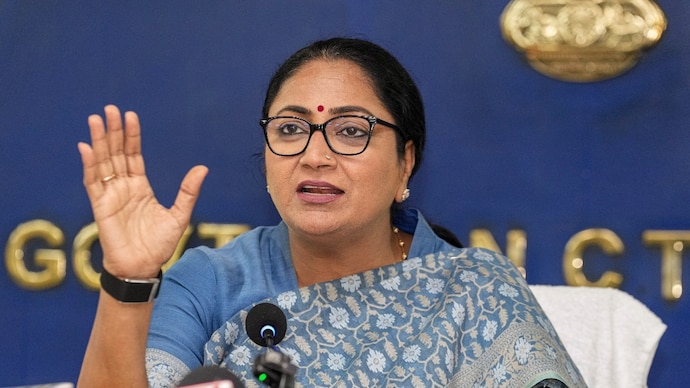
The Delhi government will roll out a dedicated network of 56 women-only electric bus services across the capital to improve the safety and accessibility of public transport for women, Transport Minister Pankaj Singh said on Wednesday.
The network will cover 28 high-footfall corridors and include 30 Ladies Special trips on 15 busy city routes, along with 26 University Ladies Special services on 13 routes linking major residential areas with Delhi University’s North and South Campuses and other leading educational institutions.
Singh said the routes had been identified on the basis of corridors that see the highest movement of women passengers. “This includes 30 Ladies Special trips operating on 15 busy city routes and 26 University Ladies Special services covering 13 routes that connect major residential areas with Delhi University’s North and South Campuses and other leading educational institutions,” he said.
He said the 30 Ladies Special services would run in both directions during office peak hours, between 7:52 am and 9 am, with return services between 4:32 pm and 6:15 pm. “The 30 Ladies Special services will run in both directions during office peak hours, between 7:52 am and 9 am and return services between 4:32 pm and 6:15 pm. These connect key employment centres, commercial districts, institutional hubs and Metro interchange stations,” he added.
The 26 University Ladies Special services will be aligned with college schedules and will directly connect residential areas such as Najafgarh, Rohini, Janakpuri, Mundka, Mayur Vihar, Kalkaji, Palla and Dhaula Kuan with Delhi University campuses and prominent colleges.
According to the minister, each bus will have CCTV surveillance, panic buttons linked to the Operation Control Centre, disabled-friendly low-floor ramps, distinctive branding for easy identification, and bus marshals or female police personnel where required. “Each bus will have CCTV surveillance, panic buttons linked to the Operation Control Centre, disabled-friendly low-floor ramps, distinctive branding for easy identification, and bus marshals or female police personnel where required. Services will also be integrated with the Pink Smart Card for seamless, cashless and free travel for eligible women,” he said.
Singh said the initiative was a major step towards making Delhi’s public transport more secure, accessible and empowering for women. All 56 buses will be fully electric, reinforcing the government’s commitment to sustainable mobility. The initiative is also expected to improve accessibility and safety for women students travelling in the early morning and late evening hours.
The Delhi government will roll out a dedicated network of 56 women-only electric bus services across the capital to improve the safety and accessibility of public transport for women, Transport Minister Pankaj Singh said on Wednesday.
The network will cover 28 high-footfall corridors and include 30 Ladies Special trips on 15 busy city routes, along with 26 University Ladies Special services on 13 routes linking major residential areas with Delhi University’s North and South Campuses and other leading educational institutions.
Singh said the routes had been identified on the basis of corridors that see the highest movement of women passengers. “This includes 30 Ladies Special trips operating on 15 busy city routes and 26 University Ladies Special services covering 13 routes that connect major residential areas with Delhi University’s North and South Campuses and other leading educational institutions,” he said.
He said the 30 Ladies Special services would run in both directions during office peak hours, between 7:52 am and 9 am, with return services between 4:32 pm and 6:15 pm. “The 30 Ladies Special services will run in both directions during office peak hours, between 7:52 am and 9 am and return services between 4:32 pm and 6:15 pm. These connect key employment centres, commercial districts, institutional hubs and Metro interchange stations,” he added.
The 26 University Ladies Special services will be aligned with college schedules and will directly connect residential areas such as Najafgarh, Rohini, Janakpuri, Mundka, Mayur Vihar, Kalkaji, Palla and Dhaula Kuan with Delhi University campuses and prominent colleges.
According to the minister, each bus will have CCTV surveillance, panic buttons linked to the Operation Control Centre, disabled-friendly low-floor ramps, distinctive branding for easy identification, and bus marshals or female police personnel where required. “Each bus will have CCTV surveillance, panic buttons linked to the Operation Control Centre, disabled-friendly low-floor ramps, distinctive branding for easy identification, and bus marshals or female police personnel where required. Services will also be integrated with the Pink Smart Card for seamless, cashless and free travel for eligible women,” he said.
Singh said the initiative was a major step towards making Delhi’s public transport more secure, accessible and empowering for women. All 56 buses will be fully electric, reinforcing the government’s commitment to sustainable mobility. The initiative is also expected to improve accessibility and safety for women students travelling in the early morning and late evening hours.
The Delhi government will roll out a dedicated network of 56 women-only electric bus services across the capital to improve the safety and accessibility of public transport for women, Transport Minister Pankaj Singh said on Wednesday.
The network will cover 28 high-footfall corridors and include 30 Ladies Special trips on 15 busy city routes, along with 26 University Ladies Special services on 13 routes linking major residential areas with Delhi University’s North and South Campuses and other leading educational institutions.
Singh said the routes had been identified on the basis of corridors that see the highest movement of women passengers. “This includes 30 Ladies Special trips operating on 15 busy city routes and 26 University Ladies Special services covering 13 routes that connect major residential areas with Delhi University’s North and South Campuses and other leading educational institutions,” he said.
He said the 30 Ladies Special services would run in both directions during office peak hours, between 7:52 am and 9 am, with return services between 4:32 pm and 6:15 pm. “The 30 Ladies Special services will run in both directions during office peak hours, between 7:52 am and 9 am and return services between 4:32 pm and 6:15 pm. These connect key employment centres, commercial districts, institutional hubs and Metro interchange stations,” he added.
The 26 University Ladies Special services will be aligned with college schedules and will directly connect residential areas such as Najafgarh, Rohini, Janakpuri, Mundka, Mayur Vihar, Kalkaji, Palla and Dhaula Kuan with Delhi University campuses and prominent colleges.
According to the minister, each bus will have CCTV surveillance, panic buttons linked to the Operation Control Centre, disabled-friendly low-floor ramps, distinctive branding for easy identification, and bus marshals or female police personnel where required. “Each bus will have CCTV surveillance, panic buttons linked to the Operation Control Centre, disabled-friendly low-floor ramps, distinctive branding for easy identification, and bus marshals or female police personnel where required. Services will also be integrated with the Pink Smart Card for seamless, cashless and free travel for eligible women,” he said.
Singh said the initiative was a major step towards making Delhi’s public transport more secure, accessible and empowering for women. All 56 buses will be fully electric, reinforcing the government’s commitment to sustainable mobility. The initiative is also expected to improve accessibility and safety for women students travelling in the early morning and late evening hours.

