How the new anti-paper leak bill seeks to plug three gaps in the 2024 Act
The Lok Sabha on Wednesday passed the Public Examinations Amendment Bill, 2026 by voice vote amid disruptions over the NEET paper leak row. The Bill aims to fast-track investigations and trials while imposing tougher penalties for organised examination fraud.
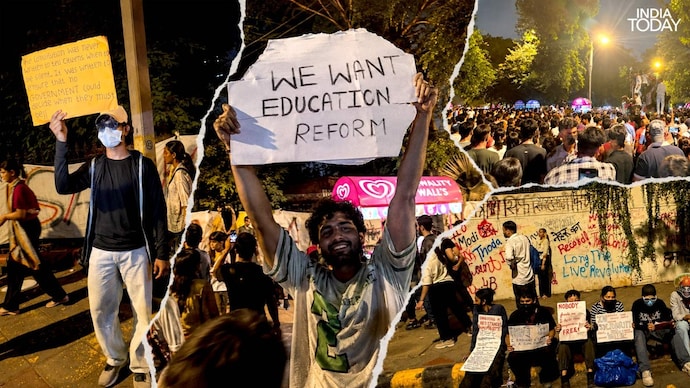
The Centre has moved to strengthen India's anti-paper leak law by shifting the focus from merely punishing offenders to ensuring quicker investigations and swifter justice.
The Lok Sabha on Wednesday passed the Public Examinations (Prevention of Unfair Means) Amendment Bill, 2026 by voice vote amid disruptions over the NEET paper leak row and Opposition protests.
The legislation plugs key gaps in the 2024 Act by introducing fast-track courts, a dedicated investigative mechanism and time-bound trials, while retaining a tough stance on organised examination fraud.
Introduced by Union Minister Jitendra Singh earlier in the session, the amendment bill had remained pending as repeated Opposition protests disrupted House proceedings. The Lok Sabha cleared the legislation by voice vote on Wednesday after legislative business resumed.
WHAT THE 2024 ACT PROVIDES
The Public Examinations (Prevention of Unfair Means) Act, 2024 was India's first central law against paper leaks and organised examination fraud. It covers examinations conducted by agencies such as the UPSC, NTA, SSC, Railway Recruitment Boards and other central authorities.
The law prescribes three to five years' imprisonment for using unfair means in public examinations, while organised paper leak rackets can face five to 10 years in jail and a minimum fine of Rs 1 crore. It also mandates security protocols and reporting of examination-related offences.
However, the law does not provide for fast-track courts, a dedicated investigative mechanism or fixed timelines for trials, gaps that the proposed amendment seeks to address.
WHAT THE 2026 AMENDMENT CHANGES
The amendment strengthens the existing law by focusing not only on stricter punishment but also on faster enforcement through the following changes:
FAST-TRACK COURTS
The Bill proposes dedicated fast-track courts to exclusively hear cases related to public examination fraud. The 2024 law left such cases to be dealt with through the regular criminal justice system, often leading to delays.
DEDICATED INVESTIGATIVE MECHANISM
The amendment also proposes a specialised investigative framework for paper leak cases. While the existing law empowers agencies to investigate offences, it does not provide a dedicated mechanism to deal with organised, multi-state examination fraud.
TIME-BOUND TRIALS
Another key proposal is to introduce timelines for trials and judgments. The 2024 Act does not prescribe any statutory deadline for completing investigations or disposing of cases, resulting in the possibility of prolonged legal proceedings.
TOUGHER PENALTIES
The amendment also seeks to raise the cost of organised examination fraud through enhanced penalties, including:
- Jail term of up to 10 years for those involved in organised paper leaks.
- Fine of up to Rs 10 crore for organised malpractice.
- Stronger provisions aimed at protecting the integrity of public examinations.
WHY IT MATTERS
The amendments come amid continuing concerns over recurring paper leak cases, with the NEET controversy once again raising questions about the credibility of India's public examination system.
While the 2024 Act created the country's first dedicated legal framework against examination fraud, the 2026 amendment plugs key enforcement gaps by providing for faster investigations, speedier trials and stronger deterrence against organised paper leak networks. With the Lok Sabha's approval, the Bill marks the most significant strengthening of India's anti-paper leak regime since the law was first enacted, subject to Parliament completing the legislative process.
The Centre has moved to strengthen India's anti-paper leak law by shifting the focus from merely punishing offenders to ensuring quicker investigations and swifter justice.
The Lok Sabha on Wednesday passed the Public Examinations (Prevention of Unfair Means) Amendment Bill, 2026 by voice vote amid disruptions over the NEET paper leak row and Opposition protests.
The legislation plugs key gaps in the 2024 Act by introducing fast-track courts, a dedicated investigative mechanism and time-bound trials, while retaining a tough stance on organised examination fraud.
Introduced by Union Minister Jitendra Singh earlier in the session, the amendment bill had remained pending as repeated Opposition protests disrupted House proceedings. The Lok Sabha cleared the legislation by voice vote on Wednesday after legislative business resumed.
WHAT THE 2024 ACT PROVIDES
The Public Examinations (Prevention of Unfair Means) Act, 2024 was India's first central law against paper leaks and organised examination fraud. It covers examinations conducted by agencies such as the UPSC, NTA, SSC, Railway Recruitment Boards and other central authorities.
The law prescribes three to five years' imprisonment for using unfair means in public examinations, while organised paper leak rackets can face five to 10 years in jail and a minimum fine of Rs 1 crore. It also mandates security protocols and reporting of examination-related offences.
However, the law does not provide for fast-track courts, a dedicated investigative mechanism or fixed timelines for trials, gaps that the proposed amendment seeks to address.
WHAT THE 2026 AMENDMENT CHANGES
The amendment strengthens the existing law by focusing not only on stricter punishment but also on faster enforcement through the following changes:
FAST-TRACK COURTS
The Bill proposes dedicated fast-track courts to exclusively hear cases related to public examination fraud. The 2024 law left such cases to be dealt with through the regular criminal justice system, often leading to delays.
DEDICATED INVESTIGATIVE MECHANISM
The amendment also proposes a specialised investigative framework for paper leak cases. While the existing law empowers agencies to investigate offences, it does not provide a dedicated mechanism to deal with organised, multi-state examination fraud.
TIME-BOUND TRIALS
Another key proposal is to introduce timelines for trials and judgments. The 2024 Act does not prescribe any statutory deadline for completing investigations or disposing of cases, resulting in the possibility of prolonged legal proceedings.
TOUGHER PENALTIES
The amendment also seeks to raise the cost of organised examination fraud through enhanced penalties, including:
- Jail term of up to 10 years for those involved in organised paper leaks.
- Fine of up to Rs 10 crore for organised malpractice.
- Stronger provisions aimed at protecting the integrity of public examinations.
WHY IT MATTERS
The amendments come amid continuing concerns over recurring paper leak cases, with the NEET controversy once again raising questions about the credibility of India's public examination system.
While the 2024 Act created the country's first dedicated legal framework against examination fraud, the 2026 amendment plugs key enforcement gaps by providing for faster investigations, speedier trials and stronger deterrence against organised paper leak networks. With the Lok Sabha's approval, the Bill marks the most significant strengthening of India's anti-paper leak regime since the law was first enacted, subject to Parliament completing the legislative process.
The Centre has moved to strengthen India's anti-paper leak law by shifting the focus from merely punishing offenders to ensuring quicker investigations and swifter justice.
The Lok Sabha on Wednesday passed the Public Examinations (Prevention of Unfair Means) Amendment Bill, 2026 by voice vote amid disruptions over the NEET paper leak row and Opposition protests.
The legislation plugs key gaps in the 2024 Act by introducing fast-track courts, a dedicated investigative mechanism and time-bound trials, while retaining a tough stance on organised examination fraud.
Introduced by Union Minister Jitendra Singh earlier in the session, the amendment bill had remained pending as repeated Opposition protests disrupted House proceedings. The Lok Sabha cleared the legislation by voice vote on Wednesday after legislative business resumed.
WHAT THE 2024 ACT PROVIDES
The Public Examinations (Prevention of Unfair Means) Act, 2024 was India's first central law against paper leaks and organised examination fraud. It covers examinations conducted by agencies such as the UPSC, NTA, SSC, Railway Recruitment Boards and other central authorities.
The law prescribes three to five years' imprisonment for using unfair means in public examinations, while organised paper leak rackets can face five to 10 years in jail and a minimum fine of Rs 1 crore. It also mandates security protocols and reporting of examination-related offences.
However, the law does not provide for fast-track courts, a dedicated investigative mechanism or fixed timelines for trials, gaps that the proposed amendment seeks to address.
WHAT THE 2026 AMENDMENT CHANGES
The amendment strengthens the existing law by focusing not only on stricter punishment but also on faster enforcement through the following changes:
FAST-TRACK COURTS
The Bill proposes dedicated fast-track courts to exclusively hear cases related to public examination fraud. The 2024 law left such cases to be dealt with through the regular criminal justice system, often leading to delays.
DEDICATED INVESTIGATIVE MECHANISM
The amendment also proposes a specialised investigative framework for paper leak cases. While the existing law empowers agencies to investigate offences, it does not provide a dedicated mechanism to deal with organised, multi-state examination fraud.
TIME-BOUND TRIALS
Another key proposal is to introduce timelines for trials and judgments. The 2024 Act does not prescribe any statutory deadline for completing investigations or disposing of cases, resulting in the possibility of prolonged legal proceedings.
TOUGHER PENALTIES
The amendment also seeks to raise the cost of organised examination fraud through enhanced penalties, including:
- Jail term of up to 10 years for those involved in organised paper leaks.
- Fine of up to Rs 10 crore for organised malpractice.
- Stronger provisions aimed at protecting the integrity of public examinations.
WHY IT MATTERS
The amendments come amid continuing concerns over recurring paper leak cases, with the NEET controversy once again raising questions about the credibility of India's public examination system.
While the 2024 Act created the country's first dedicated legal framework against examination fraud, the 2026 amendment plugs key enforcement gaps by providing for faster investigations, speedier trials and stronger deterrence against organised paper leak networks. With the Lok Sabha's approval, the Bill marks the most significant strengthening of India's anti-paper leak regime since the law was first enacted, subject to Parliament completing the legislative process.

