Cyclospora outbreak tops 2,600 US cases: Doctor explains how the parasite spreads
A Cyclospora outbreak in the US has infected more than 2,600 people. The parasite can hide in fresh produce, making early testing, hydration and targeted treatment important.
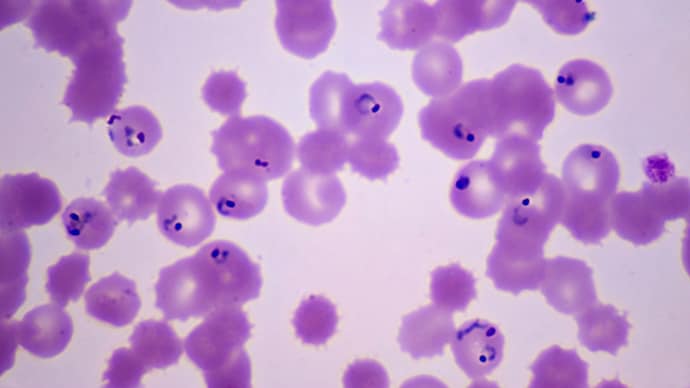
A Cyclospora outbreak in the US has infected more than 2,600 people, with Michigan among the worst-hit states. The outbreak has led to 44 hospitalisations, though no deaths have been reported, according to the latest update from the Michigan Department of Health and Human Services.
US health authorities said that the microscopic foodborne parasite that can cause "explosive diarrhea."
As concerns grow over the foodborne parasite, Dr Priyam Bordoloi, Internal Medicine, has explained in a detailed X thread how Cyclospora spreads, why it can cause weeks of illness, and the simple steps people can take to reduce their risk.
Cyclospora is a microscopic parasite that causes explosive diarrhoea, severe stomach cramps and nausea, with symptoms that can linger for as long as a month if left untreated.
Unlike viruses that spread through coughing or close contact, Cyclospora is usually transmitted through contaminated food.
THE PARASITE HIDES IN FRESH PRODUCE
According to Dr Bordoloi, Cyclospora, which causes Cyclosporiasis, is most commonly linked to fresh, raw produce, with previous outbreaks associated with bagged salads, berries, basil and cilantro.
Because the parasite is microscopic, contaminated food often looks, smells and tastes completely normal. "You don't catch it from someone coughing; one contaminated salad is all it takes," he explained in the thread.
This is why foodborne outbreaks can affect large numbers of people who have eaten the same contaminated produce.
WHO IS AT THE GREATEST RISK?
While anyone can become infected, Dr Bordoloi said the illness tends to be more severe in people with weakened immune systems, those undergoing chemotherapy, and older adults.
For these groups, prolonged diarrhoea can lead to significant fluid loss and dangerous dehydration, sometimes requiring hospital treatment.
HOW TO REDUCE YOUR RISK
Dr Bordoloi recommends a few practical steps to lower the chances of infection:
- Skip pre-packaged or bagged salads when possible and buy whole heads of lettuce, discarding the outer leaves.
- Wash fresh fruits and vegetables thoroughly under heavy running water, as simply soaking produce is not enough to remove contamination.
PERSISTENT DIARRHOEA NEEDS MEDICAL ATTENTION
Anyone who develops persistent diarrhoea, severe stomach cramps or nausea after eating fresh produce should seek medical care, Dr Bordoloi advised.
He noted that Cyclospora infection cannot be confirmed through routine testing alone. It requires a specific stool test, and patients need targeted antimicrobial therapy rather than waiting for the illness to resolve on its own.
The CDC also advised staying well hydrated, particularly if diarrhoea is severe or prolonged, to reduce the risk of dehydration while awaiting diagnosis and treatment.
A Cyclospora outbreak in the US has infected more than 2,600 people, with Michigan among the worst-hit states. The outbreak has led to 44 hospitalisations, though no deaths have been reported, according to the latest update from the Michigan Department of Health and Human Services.
US health authorities said that the microscopic foodborne parasite that can cause "explosive diarrhea."
As concerns grow over the foodborne parasite, Dr Priyam Bordoloi, Internal Medicine, has explained in a detailed X thread how Cyclospora spreads, why it can cause weeks of illness, and the simple steps people can take to reduce their risk.
Cyclospora is a microscopic parasite that causes explosive diarrhoea, severe stomach cramps and nausea, with symptoms that can linger for as long as a month if left untreated.
Unlike viruses that spread through coughing or close contact, Cyclospora is usually transmitted through contaminated food.
THE PARASITE HIDES IN FRESH PRODUCE
According to Dr Bordoloi, Cyclospora, which causes Cyclosporiasis, is most commonly linked to fresh, raw produce, with previous outbreaks associated with bagged salads, berries, basil and cilantro.
Because the parasite is microscopic, contaminated food often looks, smells and tastes completely normal. "You don't catch it from someone coughing; one contaminated salad is all it takes," he explained in the thread.
This is why foodborne outbreaks can affect large numbers of people who have eaten the same contaminated produce.
WHO IS AT THE GREATEST RISK?
While anyone can become infected, Dr Bordoloi said the illness tends to be more severe in people with weakened immune systems, those undergoing chemotherapy, and older adults.
For these groups, prolonged diarrhoea can lead to significant fluid loss and dangerous dehydration, sometimes requiring hospital treatment.
HOW TO REDUCE YOUR RISK
Dr Bordoloi recommends a few practical steps to lower the chances of infection:
- Skip pre-packaged or bagged salads when possible and buy whole heads of lettuce, discarding the outer leaves.
- Wash fresh fruits and vegetables thoroughly under heavy running water, as simply soaking produce is not enough to remove contamination.
PERSISTENT DIARRHOEA NEEDS MEDICAL ATTENTION
Anyone who develops persistent diarrhoea, severe stomach cramps or nausea after eating fresh produce should seek medical care, Dr Bordoloi advised.
He noted that Cyclospora infection cannot be confirmed through routine testing alone. It requires a specific stool test, and patients need targeted antimicrobial therapy rather than waiting for the illness to resolve on its own.
The CDC also advised staying well hydrated, particularly if diarrhoea is severe or prolonged, to reduce the risk of dehydration while awaiting diagnosis and treatment.

