Illegal mosquito agarbattis are as dangerous as dengue, warn 70% of doctors
Doctors have warned that illegal mosquito agarbattis are as dangerous as dengue. The finding underscores mounting concern over the risks linked to these products.
A comprehensive public health study by Home Insect Control Association (HICA), a non-profit industry body that promotes the safe use of household insecticides in India released ahead of National Dengue Day (May 16), reveals that illegal mosquito repellent agarbattis have emerged as a bigger and immediate health threat than the mosquito-borne diseases like dengue, malaria they are meant to prevent.
Commissioned by Home Insect Control Association (HICA), the research was conducted by Kantar, the market research company.
While 95 per cent of households surveyed reported no cases of mosquito-borne diseases such as malaria or dengue in the past year, 70% of doctors classified illegal mosquito agarbattis containing unapproved chemicals as a major respiratory hazard, with 67 per cent saying the health risks are comparable to those of cigarette smoke.
The survey was recently conducted across 12 cities among 1,264 households and 405 doctors, including pulmonologists, paediatricians, general physicians and gynaecologists, and highlights a growing health crisis inside Indian homes driven by the widespread use of illegal mosquito agarbattis.
The scale of the problem is significant. The mosquito repellent agarbatti market in India is valued at approximate Rs 2,000 crore, with up to 85 per cent dominated by illegal or unregulated players - products that carry no government approval, no mandatory Central Insecticides Registration (CIR) label, and no clear ingredient disclosure.
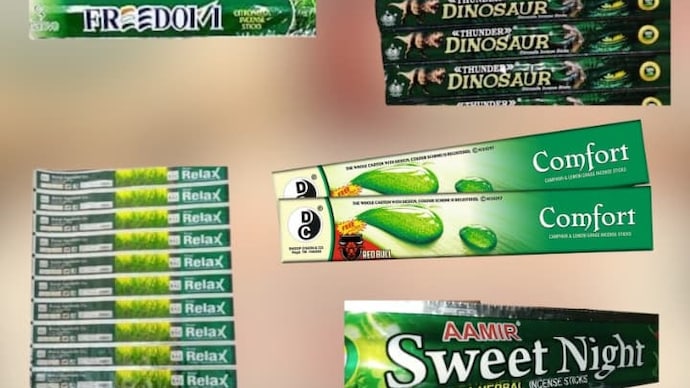
These products are commonly sold under names such as Comfort, Sleepwell, Relax, Sun-Relax, Subhanithra, Hunting Tiger, High Voltage, Happy Night, Dinosaur, Sweet Night, Care, Dengue Killer, Hi-Power, Bodyguard, Nice Sleep, Thunder, Soorya, and Spoorthi Power, often without regulatory approvals or clear ingredient disclosures. Yet 59 per cent of Indian households say they use such products, with half using them daily for over three years.
Adding to this, Jayant Deshpande, Secretary & Director of the Home Insect Control Association (HICA) said, “A huge share of mosquito agarbattis sold at local stores and chemist outlets is untested, illegal, and lacks the mandatory CIR registration number. Consumers should look for products that clearly display the CIR registration number and avoid those with vague claims or missing regulatory disclosures."
Doctors surveyed paint a concerning picture of what prolonged exposure is doing inside homes. 84% link the regular use of illegal mosquito agarbattis to rising household healthcare costs. Adding to the concern is a widespread perception gap.
48 per cent of consumers consider a product safe simply because it is sold at a chemist, a belief that 56 per cent of doctors specifically flag as dangerous. A further 50 per cent of consumers believe herbal or citronella-based variants are safe, while 66 per cent of doctors say such products carry even higher risks due to misleading claims and the absence of any regulatory oversight.
The survey highlights a significant awareness gap, with nearly 55 per cent of doctors noting that families are unaware of safer, approved alternatives and continue to rely on easily available illegal mosquito agarbatti despite the risks.
Commenting on the insights from the Kantar report, Dr. Sanjith Saseedharan Director - Critical Care, S.L. Raheja Hospital, Mahim - A Fortis Associate said, “While mosquito repellent is vital to safeguard infections like dengue fever, one must be careful to avoid constant exposure to smoke emanating from these products, including mosquito agarbattis. The problem arises because some of the mosquito repellents sold in the market do not meet the required standard since some products can contain toxic substances like pyrethroids, organophosphates, heavy metals, and other compounds that can irritate the respiratory tract.
Respiratory problems and allergies caused by these illegal mosquito agarbattis are becoming more common among those who use them continuously at home. Vulnerable groups include children, older adults, patients with asthma, and people suffering from COPD, as inhaling these fumes can exacerbate respiratory complications and lead to constant coughing, wheezing, and difficulty breathing due to respiratory irritation.
Something that is believed to provide a cheap and safe solution can actually pose serious health hazards in case of constant exposure. It would be best for people to use mosquito repellents that are safe and approved by the authorities & have undergone safety testing indoors.”
The findings highlight the need for greater awareness and informed decision-making among consumers, as well as stronger enforcement against unregulated products, to ensure that everyday mosquito protection does not come at the cost of long-term health.
About HOME INSECT CONTROL ASSOCIATION (HICA)
HOME INSECT CONTROL ASSOCIATION (HICA) is a premier organisation established in 1995 in Mumbai to promote the domestic home insecticides sector.
The association works to support its members, promote environmental safety, and educate the public on the safe and appropriate use of home insecticides for effective pest control and healthier living.
For more details, visit.
A comprehensive public health study by Home Insect Control Association (HICA), a non-profit industry body that promotes the safe use of household insecticides in India released ahead of National Dengue Day (May 16), reveals that illegal mosquito repellent agarbattis have emerged as a bigger and immediate health threat than the mosquito-borne diseases like dengue, malaria they are meant to prevent.
Commissioned by Home Insect Control Association (HICA), the research was conducted by Kantar, the market research company.
While 95 per cent of households surveyed reported no cases of mosquito-borne diseases such as malaria or dengue in the past year, 70% of doctors classified illegal mosquito agarbattis containing unapproved chemicals as a major respiratory hazard, with 67 per cent saying the health risks are comparable to those of cigarette smoke.
The survey was recently conducted across 12 cities among 1,264 households and 405 doctors, including pulmonologists, paediatricians, general physicians and gynaecologists, and highlights a growing health crisis inside Indian homes driven by the widespread use of illegal mosquito agarbattis.
The scale of the problem is significant. The mosquito repellent agarbatti market in India is valued at approximate Rs 2,000 crore, with up to 85 per cent dominated by illegal or unregulated players - products that carry no government approval, no mandatory Central Insecticides Registration (CIR) label, and no clear ingredient disclosure.
These products are commonly sold under names such as Comfort, Sleepwell, Relax, Sun-Relax, Subhanithra, Hunting Tiger, High Voltage, Happy Night, Dinosaur, Sweet Night, Care, Dengue Killer, Hi-Power, Bodyguard, Nice Sleep, Thunder, Soorya, and Spoorthi Power, often without regulatory approvals or clear ingredient disclosures. Yet 59 per cent of Indian households say they use such products, with half using them daily for over three years.
Adding to this, Jayant Deshpande, Secretary & Director of the Home Insect Control Association (HICA) said, “A huge share of mosquito agarbattis sold at local stores and chemist outlets is untested, illegal, and lacks the mandatory CIR registration number. Consumers should look for products that clearly display the CIR registration number and avoid those with vague claims or missing regulatory disclosures."
Doctors surveyed paint a concerning picture of what prolonged exposure is doing inside homes. 84% link the regular use of illegal mosquito agarbattis to rising household healthcare costs. Adding to the concern is a widespread perception gap.
48 per cent of consumers consider a product safe simply because it is sold at a chemist, a belief that 56 per cent of doctors specifically flag as dangerous. A further 50 per cent of consumers believe herbal or citronella-based variants are safe, while 66 per cent of doctors say such products carry even higher risks due to misleading claims and the absence of any regulatory oversight.
The survey highlights a significant awareness gap, with nearly 55 per cent of doctors noting that families are unaware of safer, approved alternatives and continue to rely on easily available illegal mosquito agarbatti despite the risks.
Commenting on the insights from the Kantar report, Dr. Sanjith Saseedharan Director - Critical Care, S.L. Raheja Hospital, Mahim - A Fortis Associate said, “While mosquito repellent is vital to safeguard infections like dengue fever, one must be careful to avoid constant exposure to smoke emanating from these products, including mosquito agarbattis. The problem arises because some of the mosquito repellents sold in the market do not meet the required standard since some products can contain toxic substances like pyrethroids, organophosphates, heavy metals, and other compounds that can irritate the respiratory tract.
Respiratory problems and allergies caused by these illegal mosquito agarbattis are becoming more common among those who use them continuously at home. Vulnerable groups include children, older adults, patients with asthma, and people suffering from COPD, as inhaling these fumes can exacerbate respiratory complications and lead to constant coughing, wheezing, and difficulty breathing due to respiratory irritation.
Something that is believed to provide a cheap and safe solution can actually pose serious health hazards in case of constant exposure. It would be best for people to use mosquito repellents that are safe and approved by the authorities & have undergone safety testing indoors.”
The findings highlight the need for greater awareness and informed decision-making among consumers, as well as stronger enforcement against unregulated products, to ensure that everyday mosquito protection does not come at the cost of long-term health.
About HOME INSECT CONTROL ASSOCIATION (HICA)
HOME INSECT CONTROL ASSOCIATION (HICA) is a premier organisation established in 1995 in Mumbai to promote the domestic home insecticides sector.
The association works to support its members, promote environmental safety, and educate the public on the safe and appropriate use of home insecticides for effective pest control and healthier living.
For more details, visit.

