This season, don't treat your flu at home, says doctor
Many people dismiss influenza as "just a viral fever" and rely on home remedies until symptoms worsen. A doctor explains why timely treatment and simple precautions can protect the entire family.
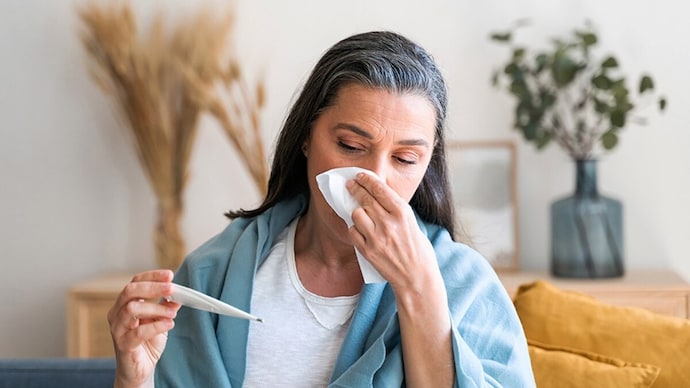
As flu cases typically rise during the monsoon months, doctors are urging people not to ignore symptoms or rely only on home remedies. While influenza often begins with what feels like a common cold, it can spread rapidly within households and may lead to serious complications in vulnerable people, including young children, older adults, pregnant women, and those with chronic illnesses.
Many families experience the same pattern every year: one member develops fever, cough, and body aches, and within a few days, everyone else in the house falls sick. This chain of infection is not a coincidence. Influenza is highly contagious and spreads quickly in homes where family members share living spaces, meals, and everyday objects.
According to Dr Manisha Arora, Director - Internal Medicine at the CK Birla Hospital, Delhi, influenza should not be treated casually. Early medical advice, proper isolation, vaccination, and good hygiene can significantly reduce the risk of severe illness and prevent the virus from spreading to loved ones.
WHY DOES EVERYONE IN ONE FAMILY GET SICK ONE AFTER ANOTHER?
This is known as household transmission, something that became widely recognised during the COVID-19 pandemic. If one family member is infected with influenza, the virus can easily spread to others through respiratory droplets released when an infected person coughs, sneezes, or even talks.
The risk is especially high because family members spend long hours together, often sharing bedrooms, bathrooms, kitchens, and common living areas. The incubation period of influenza is usually one to four days, meaning an infected person can spread the virus even before symptoms become fully obvious.
The virus can also survive on commonly touched surfaces such as door handles, mobile phones, TV remotes, light switches, and kitchen counters. When another person touches these contaminated surfaces and then touches their face, they may become infected.
People who are at the highest risk include:
Elderly adults
Young children
Pregnant women
People with weakened immunity
Individuals with chronic illnesses such as diabetes, asthma, heart disease, or kidney disease
DON'T TREAT YOUR FLU AT HOME WITHOUT MEDICAL ADVICE
Many people assume that influenza is simply a seasonal viral fever that will improve on its own. While mild cases often recover with rest, self-medicating or delaying medical consultation can be risky, especially if symptoms become severe or if the patient belongs to a high-risk group.
Persistent high fever, difficulty breathing, chest pain, confusion, dehydration, or symptoms that worsen after initial improvement should never be ignored. Prompt medical evaluation can help prevent complications and ensure appropriate treatment.
HOW CAN YOU STOP FLU FROM SPREADING AT HOME?
Doctors say breaking the chain of transmission requires a combination of vaccination and everyday precautions.
- GET VACCINATED EVERY YEAR
Annual influenza vaccination before the monsoon season remains the most effective way to prevent severe illness. Vaccination is particularly recommended for elderly individuals, pregnant women, children, healthcare workers, and people living with chronic medical conditions.
- WASH YOUR HANDS FREQUENTLY
Regular handwashing with soap and water remains one of the simplest and most effective ways to reduce the spread of influenza. If soap and water are unavailable, alcohol-based hand sanitisers can also help.
- WEAR A MASK IF YOU'RE SICK
If someone in the family develops flu symptoms, wearing a mask inside the house can reduce the spread of respiratory droplets to others.
- AVOID SHARING PERSONAL ITEMS
Do not share towels, drinking glasses, utensils, cups, or other personal belongings with someone who is sick.
- IMPROVE VENTILATION
Keep windows open whenever possible. Influenza spreads more easily in poorly ventilated, closed, air-conditioned spaces than in rooms with fresh airflow.
- CLEAN FREQUENTLY TOUCHED SURFACES
Regularly disinfect commonly used surfaces such as door knobs, switches, mobile phones, TV remotes, tables, and kitchen counters, especially when someone in the house is unwell.
CAN A STRONG IMMUNE SYSTEM HELP?
A healthy immune system cannot completely prevent influenza, but it may help the body recover better. Doctors recommend maintaining a balanced diet, staying hydrated, getting enough sleep, exercising regularly, and ensuring adequate intake of essential nutrients such as vitamin C and zinc as part of an overall healthy lifestyle.
If someone in the family develops influenza, they should stay home, rest adequately, and, as far as possible, remain isolated for at least three to five days to reduce the risk of infecting others.
Influenza is much more contagious than many people realise. One infected family member can quickly pass the virus to everyone else at home if precautions are not taken. Rather than relying solely on home remedies, seek medical advice when flu symptoms appear, especially for people at high risk. Simple steps like vaccination, hand hygiene, masking, good ventilation, and temporary isolation can go a long way in protecting the entire family during the flu season.
As flu cases typically rise during the monsoon months, doctors are urging people not to ignore symptoms or rely only on home remedies. While influenza often begins with what feels like a common cold, it can spread rapidly within households and may lead to serious complications in vulnerable people, including young children, older adults, pregnant women, and those with chronic illnesses.
Many families experience the same pattern every year: one member develops fever, cough, and body aches, and within a few days, everyone else in the house falls sick. This chain of infection is not a coincidence. Influenza is highly contagious and spreads quickly in homes where family members share living spaces, meals, and everyday objects.
According to Dr Manisha Arora, Director - Internal Medicine at the CK Birla Hospital, Delhi, influenza should not be treated casually. Early medical advice, proper isolation, vaccination, and good hygiene can significantly reduce the risk of severe illness and prevent the virus from spreading to loved ones.
WHY DOES EVERYONE IN ONE FAMILY GET SICK ONE AFTER ANOTHER?
This is known as household transmission, something that became widely recognised during the COVID-19 pandemic. If one family member is infected with influenza, the virus can easily spread to others through respiratory droplets released when an infected person coughs, sneezes, or even talks.
The risk is especially high because family members spend long hours together, often sharing bedrooms, bathrooms, kitchens, and common living areas. The incubation period of influenza is usually one to four days, meaning an infected person can spread the virus even before symptoms become fully obvious.
The virus can also survive on commonly touched surfaces such as door handles, mobile phones, TV remotes, light switches, and kitchen counters. When another person touches these contaminated surfaces and then touches their face, they may become infected.
People who are at the highest risk include:
Elderly adults
Young children
Pregnant women
People with weakened immunity
Individuals with chronic illnesses such as diabetes, asthma, heart disease, or kidney disease
DON'T TREAT YOUR FLU AT HOME WITHOUT MEDICAL ADVICE
Many people assume that influenza is simply a seasonal viral fever that will improve on its own. While mild cases often recover with rest, self-medicating or delaying medical consultation can be risky, especially if symptoms become severe or if the patient belongs to a high-risk group.
Persistent high fever, difficulty breathing, chest pain, confusion, dehydration, or symptoms that worsen after initial improvement should never be ignored. Prompt medical evaluation can help prevent complications and ensure appropriate treatment.
HOW CAN YOU STOP FLU FROM SPREADING AT HOME?
Doctors say breaking the chain of transmission requires a combination of vaccination and everyday precautions.
- GET VACCINATED EVERY YEAR
Annual influenza vaccination before the monsoon season remains the most effective way to prevent severe illness. Vaccination is particularly recommended for elderly individuals, pregnant women, children, healthcare workers, and people living with chronic medical conditions.
- WASH YOUR HANDS FREQUENTLY
Regular handwashing with soap and water remains one of the simplest and most effective ways to reduce the spread of influenza. If soap and water are unavailable, alcohol-based hand sanitisers can also help.
- WEAR A MASK IF YOU'RE SICK
If someone in the family develops flu symptoms, wearing a mask inside the house can reduce the spread of respiratory droplets to others.
- AVOID SHARING PERSONAL ITEMS
Do not share towels, drinking glasses, utensils, cups, or other personal belongings with someone who is sick.
- IMPROVE VENTILATION
Keep windows open whenever possible. Influenza spreads more easily in poorly ventilated, closed, air-conditioned spaces than in rooms with fresh airflow.
- CLEAN FREQUENTLY TOUCHED SURFACES
Regularly disinfect commonly used surfaces such as door knobs, switches, mobile phones, TV remotes, tables, and kitchen counters, especially when someone in the house is unwell.
CAN A STRONG IMMUNE SYSTEM HELP?
A healthy immune system cannot completely prevent influenza, but it may help the body recover better. Doctors recommend maintaining a balanced diet, staying hydrated, getting enough sleep, exercising regularly, and ensuring adequate intake of essential nutrients such as vitamin C and zinc as part of an overall healthy lifestyle.
If someone in the family develops influenza, they should stay home, rest adequately, and, as far as possible, remain isolated for at least three to five days to reduce the risk of infecting others.
Influenza is much more contagious than many people realise. One infected family member can quickly pass the virus to everyone else at home if precautions are not taken. Rather than relying solely on home remedies, seek medical advice when flu symptoms appear, especially for people at high risk. Simple steps like vaccination, hand hygiene, masking, good ventilation, and temporary isolation can go a long way in protecting the entire family during the flu season.
As flu cases typically rise during the monsoon months, doctors are urging people not to ignore symptoms or rely only on home remedies. While influenza often begins with what feels like a common cold, it can spread rapidly within households and may lead to serious complications in vulnerable people, including young children, older adults, pregnant women, and those with chronic illnesses.
Many families experience the same pattern every year: one member develops fever, cough, and body aches, and within a few days, everyone else in the house falls sick. This chain of infection is not a coincidence. Influenza is highly contagious and spreads quickly in homes where family members share living spaces, meals, and everyday objects.
According to Dr Manisha Arora, Director - Internal Medicine at the CK Birla Hospital, Delhi, influenza should not be treated casually. Early medical advice, proper isolation, vaccination, and good hygiene can significantly reduce the risk of severe illness and prevent the virus from spreading to loved ones.
WHY DOES EVERYONE IN ONE FAMILY GET SICK ONE AFTER ANOTHER?
This is known as household transmission, something that became widely recognised during the COVID-19 pandemic. If one family member is infected with influenza, the virus can easily spread to others through respiratory droplets released when an infected person coughs, sneezes, or even talks.
The risk is especially high because family members spend long hours together, often sharing bedrooms, bathrooms, kitchens, and common living areas. The incubation period of influenza is usually one to four days, meaning an infected person can spread the virus even before symptoms become fully obvious.
The virus can also survive on commonly touched surfaces such as door handles, mobile phones, TV remotes, light switches, and kitchen counters. When another person touches these contaminated surfaces and then touches their face, they may become infected.
People who are at the highest risk include:
Elderly adults
Young children
Pregnant women
People with weakened immunity
Individuals with chronic illnesses such as diabetes, asthma, heart disease, or kidney disease
DON'T TREAT YOUR FLU AT HOME WITHOUT MEDICAL ADVICE
Many people assume that influenza is simply a seasonal viral fever that will improve on its own. While mild cases often recover with rest, self-medicating or delaying medical consultation can be risky, especially if symptoms become severe or if the patient belongs to a high-risk group.
Persistent high fever, difficulty breathing, chest pain, confusion, dehydration, or symptoms that worsen after initial improvement should never be ignored. Prompt medical evaluation can help prevent complications and ensure appropriate treatment.
HOW CAN YOU STOP FLU FROM SPREADING AT HOME?
Doctors say breaking the chain of transmission requires a combination of vaccination and everyday precautions.
- GET VACCINATED EVERY YEAR
Annual influenza vaccination before the monsoon season remains the most effective way to prevent severe illness. Vaccination is particularly recommended for elderly individuals, pregnant women, children, healthcare workers, and people living with chronic medical conditions.
- WASH YOUR HANDS FREQUENTLY
Regular handwashing with soap and water remains one of the simplest and most effective ways to reduce the spread of influenza. If soap and water are unavailable, alcohol-based hand sanitisers can also help.
- WEAR A MASK IF YOU'RE SICK
If someone in the family develops flu symptoms, wearing a mask inside the house can reduce the spread of respiratory droplets to others.
- AVOID SHARING PERSONAL ITEMS
Do not share towels, drinking glasses, utensils, cups, or other personal belongings with someone who is sick.
- IMPROVE VENTILATION
Keep windows open whenever possible. Influenza spreads more easily in poorly ventilated, closed, air-conditioned spaces than in rooms with fresh airflow.
- CLEAN FREQUENTLY TOUCHED SURFACES
Regularly disinfect commonly used surfaces such as door knobs, switches, mobile phones, TV remotes, tables, and kitchen counters, especially when someone in the house is unwell.
CAN A STRONG IMMUNE SYSTEM HELP?
A healthy immune system cannot completely prevent influenza, but it may help the body recover better. Doctors recommend maintaining a balanced diet, staying hydrated, getting enough sleep, exercising regularly, and ensuring adequate intake of essential nutrients such as vitamin C and zinc as part of an overall healthy lifestyle.
If someone in the family develops influenza, they should stay home, rest adequately, and, as far as possible, remain isolated for at least three to five days to reduce the risk of infecting others.
Influenza is much more contagious than many people realise. One infected family member can quickly pass the virus to everyone else at home if precautions are not taken. Rather than relying solely on home remedies, seek medical advice when flu symptoms appear, especially for people at high risk. Simple steps like vaccination, hand hygiene, masking, good ventilation, and temporary isolation can go a long way in protecting the entire family during the flu season.

