Why Uttarakhand paused the felling of over 3,300 trees
Protests over ecological concerns forced the Himalayan state to review a proposed wider road linking Dehradun airport and Rishikesh
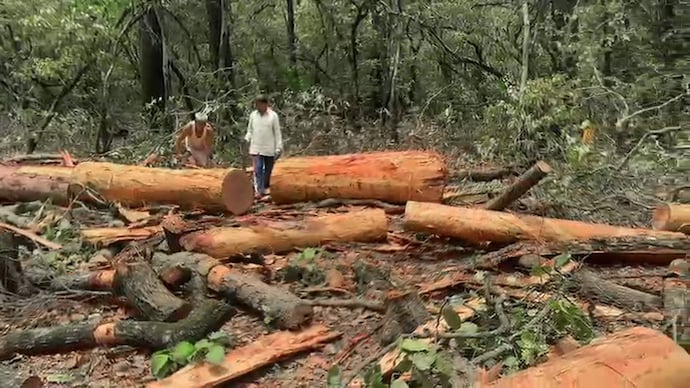
As the protestors argued the project would permanently damage an ecologically sensitive stretch of forest, the government decided to revisit the issue through wider consultations before allowing tree felling to continue. The National Highways Authority of India (NHAI), however, maintains that the project is essential for improving connectivity and reducing traffic congestion. The episode once again highlights a question Uttarakhand has been grappling with in recent years: where should the line be drawn between infrastructure development and environmental conservation in the ecologically fragile Himalayan state?
The proposed project aims to widen the Bhaniyawala-Rishikesh corridor into a four- or six-lane highway to improve connectivity between Jolly Grant Airport, Dehradun, and Rishikesh. The road is expected to become an important link for local traffic as well as for tourism and pilgrimage. According to the government, the project has already received the required statutory and environmental clearances, and is being implemented in accordance with the directions of the Uttarakhand High Court. Officials point out that the project includes mitigation measures such as a 3.5-km elephant underpass and special culverts for the movement of smaller animals to reduce wildlife accidents.
The opposition focused on the proposed felling of more than 3,300 trees in the Ranipokhari-Rishikesh forest division, part of the ecologically sensitive Shivalik landscape. Environmental groups argued that the forests are important not only for biodiversity but also for groundwater recharge, regulating local temperatures and maintaining ecological stability. The area is also known to be part of important wildlife habitats, including elephant movement corridors.
Over several days, hundreds of residents, students and activists organised demonstrations demanding that authorities explore alternative engineering solutions that would require fewer trees to be cut. Many protesters adopted symbolic methods associated with the iconic Chipko movement, hugging trees and tying themselves to them to oppose the felling. The protests gathered momentum on social media after videos of demonstrators appealing to workers not to cut trees went viral.
The issue acquired political significance after Congress leader Rahul Gandhi met a delegation of environmental activists while returning from a programme in Dehradun earlier this week. According to members of the delegation, they briefed Rahul about the proposed tree felling and its ecological impact. They said he assured them that he would raise the issue in Parliament.
Meanwhile, the death of a female sambar deer in a road accident near the project area in Rishikesh’s Barkot range intensified the debate around wildlife protection. Amid the growing protests, CM Dhami announced that tree felling under the project would remain suspended until wider consultations are held with all stakeholders. Claiming that the concerns raised by environmentalists and residents were being taken seriously, he directed the principal secretary and other officials to begin fresh discussions with locals, elected representatives, environmental experts and other stakeholders.
“This project is a vital infrastructure project of the NHAI, which was being implemented in accordance with the directives of the high court, and in compliance with all necessary statutory and environmental approvals and procedures,” said Dhami. “Development is essential for us, but no decision will be taken without considering public sentiment, the environment and local interests.”
Dhami announced that further action would be taken with full respect for the directives of the high court, and that tree felling for the project would remain suspended until a satisfactory consensus is reached with all stakeholders. While welcoming the announcement, the protestors have made it clear that it is only a temporary relief. They intend to continue monitoring the project until a final decision is taken.
This controversy is the latest in a series of disputes over development projects in Uttarakhand. In recent years, residents and environmental groups have opposed the proposed widening of the Kimadi-Mussoorie road because it involved the felling of hundreds of trees, including mature oak trees. The issue eventually reached the Uttarakhand High Court, which stressed the ecological importance of Himalayan oak forests while examining whether due procedures had been followed.
Similar concerns have surfaced over tourism infrastructure, ropeway projects, urban expansion and increasing pressure on forests across the state. Courts have also expressed concern over missing forest boundary pillars in parts of the Mussoorie division, while the National Green Tribunal has questioned construction activity in ecologically sensitive areas.
The debate has become sharper as Uttarakhand continues to expand road networks, religious tourism infrastructure and urban development even as the state faces increasing challenges linked to climate change, forest fires, changing rainfall patterns and pressure on mountain ecosystems.
For now, the government’s decision has only paused the highway project, not cancelled it. The consultations that follow are likely to determine whether it would move ahead in its present form or undergo changes to reduce its environmental impact.
Subscribe to India Today Magazine
As the protestors argued the project would permanently damage an ecologically sensitive stretch of forest, the government decided to revisit the issue through wider consultations before allowing tree felling to continue. The National Highways Authority of India (NHAI), however, maintains that the project is essential for improving connectivity and reducing traffic congestion. The episode once again highlights a question Uttarakhand has been grappling with in recent years: where should the line be drawn between infrastructure development and environmental conservation in the ecologically fragile Himalayan state?
The proposed project aims to widen the Bhaniyawala-Rishikesh corridor into a four- or six-lane highway to improve connectivity between Jolly Grant Airport, Dehradun, and Rishikesh. The road is expected to become an important link for local traffic as well as for tourism and pilgrimage. According to the government, the project has already received the required statutory and environmental clearances, and is being implemented in accordance with the directions of the Uttarakhand High Court. Officials point out that the project includes mitigation measures such as a 3.5-km elephant underpass and special culverts for the movement of smaller animals to reduce wildlife accidents.
The opposition focused on the proposed felling of more than 3,300 trees in the Ranipokhari-Rishikesh forest division, part of the ecologically sensitive Shivalik landscape. Environmental groups argued that the forests are important not only for biodiversity but also for groundwater recharge, regulating local temperatures and maintaining ecological stability. The area is also known to be part of important wildlife habitats, including elephant movement corridors.
Over several days, hundreds of residents, students and activists organised demonstrations demanding that authorities explore alternative engineering solutions that would require fewer trees to be cut. Many protesters adopted symbolic methods associated with the iconic Chipko movement, hugging trees and tying themselves to them to oppose the felling. The protests gathered momentum on social media after videos of demonstrators appealing to workers not to cut trees went viral.
The issue acquired political significance after Congress leader Rahul Gandhi met a delegation of environmental activists while returning from a programme in Dehradun earlier this week. According to members of the delegation, they briefed Rahul about the proposed tree felling and its ecological impact. They said he assured them that he would raise the issue in Parliament.
Meanwhile, the death of a female sambar deer in a road accident near the project area in Rishikesh’s Barkot range intensified the debate around wildlife protection. Amid the growing protests, CM Dhami announced that tree felling under the project would remain suspended until wider consultations are held with all stakeholders. Claiming that the concerns raised by environmentalists and residents were being taken seriously, he directed the principal secretary and other officials to begin fresh discussions with locals, elected representatives, environmental experts and other stakeholders.
“This project is a vital infrastructure project of the NHAI, which was being implemented in accordance with the directives of the high court, and in compliance with all necessary statutory and environmental approvals and procedures,” said Dhami. “Development is essential for us, but no decision will be taken without considering public sentiment, the environment and local interests.”
Dhami announced that further action would be taken with full respect for the directives of the high court, and that tree felling for the project would remain suspended until a satisfactory consensus is reached with all stakeholders. While welcoming the announcement, the protestors have made it clear that it is only a temporary relief. They intend to continue monitoring the project until a final decision is taken.
This controversy is the latest in a series of disputes over development projects in Uttarakhand. In recent years, residents and environmental groups have opposed the proposed widening of the Kimadi-Mussoorie road because it involved the felling of hundreds of trees, including mature oak trees. The issue eventually reached the Uttarakhand High Court, which stressed the ecological importance of Himalayan oak forests while examining whether due procedures had been followed.
Similar concerns have surfaced over tourism infrastructure, ropeway projects, urban expansion and increasing pressure on forests across the state. Courts have also expressed concern over missing forest boundary pillars in parts of the Mussoorie division, while the National Green Tribunal has questioned construction activity in ecologically sensitive areas.
The debate has become sharper as Uttarakhand continues to expand road networks, religious tourism infrastructure and urban development even as the state faces increasing challenges linked to climate change, forest fires, changing rainfall patterns and pressure on mountain ecosystems.
For now, the government’s decision has only paused the highway project, not cancelled it. The consultations that follow are likely to determine whether it would move ahead in its present form or undergo changes to reduce its environmental impact.
Subscribe to India Today Magazine
As the protestors argued the project would permanently damage an ecologically sensitive stretch of forest, the government decided to revisit the issue through wider consultations before allowing tree felling to continue. The National Highways Authority of India (NHAI), however, maintains that the project is essential for improving connectivity and reducing traffic congestion. The episode once again highlights a question Uttarakhand has been grappling with in recent years: where should the line be drawn between infrastructure development and environmental conservation in the ecologically fragile Himalayan state?
The proposed project aims to widen the Bhaniyawala-Rishikesh corridor into a four- or six-lane highway to improve connectivity between Jolly Grant Airport, Dehradun, and Rishikesh. The road is expected to become an important link for local traffic as well as for tourism and pilgrimage. According to the government, the project has already received the required statutory and environmental clearances, and is being implemented in accordance with the directions of the Uttarakhand High Court. Officials point out that the project includes mitigation measures such as a 3.5-km elephant underpass and special culverts for the movement of smaller animals to reduce wildlife accidents.
The opposition focused on the proposed felling of more than 3,300 trees in the Ranipokhari-Rishikesh forest division, part of the ecologically sensitive Shivalik landscape. Environmental groups argued that the forests are important not only for biodiversity but also for groundwater recharge, regulating local temperatures and maintaining ecological stability. The area is also known to be part of important wildlife habitats, including elephant movement corridors.
Over several days, hundreds of residents, students and activists organised demonstrations demanding that authorities explore alternative engineering solutions that would require fewer trees to be cut. Many protesters adopted symbolic methods associated with the iconic Chipko movement, hugging trees and tying themselves to them to oppose the felling. The protests gathered momentum on social media after videos of demonstrators appealing to workers not to cut trees went viral.
The issue acquired political significance after Congress leader Rahul Gandhi met a delegation of environmental activists while returning from a programme in Dehradun earlier this week. According to members of the delegation, they briefed Rahul about the proposed tree felling and its ecological impact. They said he assured them that he would raise the issue in Parliament.
Meanwhile, the death of a female sambar deer in a road accident near the project area in Rishikesh’s Barkot range intensified the debate around wildlife protection. Amid the growing protests, CM Dhami announced that tree felling under the project would remain suspended until wider consultations are held with all stakeholders. Claiming that the concerns raised by environmentalists and residents were being taken seriously, he directed the principal secretary and other officials to begin fresh discussions with locals, elected representatives, environmental experts and other stakeholders.
“This project is a vital infrastructure project of the NHAI, which was being implemented in accordance with the directives of the high court, and in compliance with all necessary statutory and environmental approvals and procedures,” said Dhami. “Development is essential for us, but no decision will be taken without considering public sentiment, the environment and local interests.”
Dhami announced that further action would be taken with full respect for the directives of the high court, and that tree felling for the project would remain suspended until a satisfactory consensus is reached with all stakeholders. While welcoming the announcement, the protestors have made it clear that it is only a temporary relief. They intend to continue monitoring the project until a final decision is taken.
This controversy is the latest in a series of disputes over development projects in Uttarakhand. In recent years, residents and environmental groups have opposed the proposed widening of the Kimadi-Mussoorie road because it involved the felling of hundreds of trees, including mature oak trees. The issue eventually reached the Uttarakhand High Court, which stressed the ecological importance of Himalayan oak forests while examining whether due procedures had been followed.
Similar concerns have surfaced over tourism infrastructure, ropeway projects, urban expansion and increasing pressure on forests across the state. Courts have also expressed concern over missing forest boundary pillars in parts of the Mussoorie division, while the National Green Tribunal has questioned construction activity in ecologically sensitive areas.
The debate has become sharper as Uttarakhand continues to expand road networks, religious tourism infrastructure and urban development even as the state faces increasing challenges linked to climate change, forest fires, changing rainfall patterns and pressure on mountain ecosystems.
For now, the government’s decision has only paused the highway project, not cancelled it. The consultations that follow are likely to determine whether it would move ahead in its present form or undergo changes to reduce its environmental impact.
Subscribe to India Today Magazine

