Nepal approves redesigned Re 1 coin, drops disputed map linked to India border row
Nepal's Council of Ministers on Thursday approved a proposal from the Nepal Rastra Bank (NRB) to mint redesigned one-rupee and two-rupee coins.
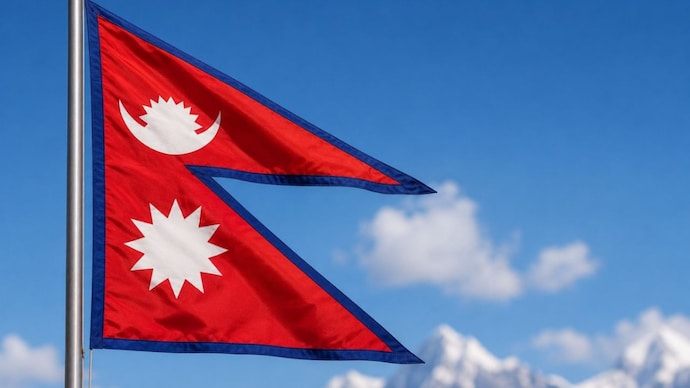
The Nepal government has approved the minting of a newly designed one-rupee coin that removes the country's controversial political map featuring the disputed territories of Limpiyadhura, Lipulekh and Kalapani, replacing it with the image of an ancient Buddhist monastery.
The decision marks a significant design change from the coin introduced after Nepal revised its official map in 2020 to include the three disputed areas, a move that had strained ties with India. While Nepal claims Lipulekh and Kalapani as part of its territory, India maintains that both regions belong to it.
NEW DESIGN CLEARED
According to news agency PTI, citing sources, Nepal's Council of Ministers on Thursday approved a proposal from the Nepal Rastra Bank (NRB) to mint redesigned one-rupee and two-rupee coins.
Under the approved design, the one-rupee coin will no longer carry Nepal's revised political map. Instead, it will feature the Lo Ghyakar Monastery, located in Marang village in the Mustang district. The monastery is regarded as one of Nepal's oldest Buddhist monasteries.
Cabinet sources said the redesigned two-rupee coin, however, will continue to display the existing map.
The map in question was introduced during the tenure of then Prime Minister K P Sharma Oli in May 2020 after Nepal officially amended its national map to include Limpiyadhura, Lipulekh and Kalapani. The move drew strong objections from India and added to longstanding border tensions between the two neighbours.
OPPOSITION LEADER SLAMS MOVE
The decision has triggered criticism from senior Nepali Communist Party leader Bhim Rawal, who described the reported removal of the map as a threat to Nepal's territorial claims.
"If the government led by Prime Minister Balen Shah has indeed decided to remove the map of Nepal, including Limpiyadhura, Lipulekh and Kalapani, from the one-rupee coin and replace it with the image of the Lo Ghyakar Monastery, it will constitute another serious anti-national decision and a blow to Nepal's territorial integrity," Rawal said.
He also demanded that the government and the ruling Rastriya Swatantra Party immediately clarify the decision.
COINS TO BECOME LIGHTER
The Nepal Rastra Bank said the redesign is part of a broader effort to modernise the country's coinage by making the coins smaller, lighter and more economical to produce.
NRB spokesperson Guru Prasad Paudel said the one-rupee coin's weight will be reduced from 4 grams to 3.2 grams, while the two-rupee coin will weigh 3.8 grams instead of 5 grams. Both coins will also be made of steel rather than mixed metal and will have a steel-white finish instead of the current yellow colour.
The Nepal government has approved the minting of a newly designed one-rupee coin that removes the country's controversial political map featuring the disputed territories of Limpiyadhura, Lipulekh and Kalapani, replacing it with the image of an ancient Buddhist monastery.
The decision marks a significant design change from the coin introduced after Nepal revised its official map in 2020 to include the three disputed areas, a move that had strained ties with India. While Nepal claims Lipulekh and Kalapani as part of its territory, India maintains that both regions belong to it.
NEW DESIGN CLEARED
According to news agency PTI, citing sources, Nepal's Council of Ministers on Thursday approved a proposal from the Nepal Rastra Bank (NRB) to mint redesigned one-rupee and two-rupee coins.
Under the approved design, the one-rupee coin will no longer carry Nepal's revised political map. Instead, it will feature the Lo Ghyakar Monastery, located in Marang village in the Mustang district. The monastery is regarded as one of Nepal's oldest Buddhist monasteries.
Cabinet sources said the redesigned two-rupee coin, however, will continue to display the existing map.
The map in question was introduced during the tenure of then Prime Minister K P Sharma Oli in May 2020 after Nepal officially amended its national map to include Limpiyadhura, Lipulekh and Kalapani. The move drew strong objections from India and added to longstanding border tensions between the two neighbours.
OPPOSITION LEADER SLAMS MOVE
The decision has triggered criticism from senior Nepali Communist Party leader Bhim Rawal, who described the reported removal of the map as a threat to Nepal's territorial claims.
"If the government led by Prime Minister Balen Shah has indeed decided to remove the map of Nepal, including Limpiyadhura, Lipulekh and Kalapani, from the one-rupee coin and replace it with the image of the Lo Ghyakar Monastery, it will constitute another serious anti-national decision and a blow to Nepal's territorial integrity," Rawal said.
He also demanded that the government and the ruling Rastriya Swatantra Party immediately clarify the decision.
COINS TO BECOME LIGHTER
The Nepal Rastra Bank said the redesign is part of a broader effort to modernise the country's coinage by making the coins smaller, lighter and more economical to produce.
NRB spokesperson Guru Prasad Paudel said the one-rupee coin's weight will be reduced from 4 grams to 3.2 grams, while the two-rupee coin will weigh 3.8 grams instead of 5 grams. Both coins will also be made of steel rather than mixed metal and will have a steel-white finish instead of the current yellow colour.
The Nepal government has approved the minting of a newly designed one-rupee coin that removes the country's controversial political map featuring the disputed territories of Limpiyadhura, Lipulekh and Kalapani, replacing it with the image of an ancient Buddhist monastery.
The decision marks a significant design change from the coin introduced after Nepal revised its official map in 2020 to include the three disputed areas, a move that had strained ties with India. While Nepal claims Lipulekh and Kalapani as part of its territory, India maintains that both regions belong to it.
NEW DESIGN CLEARED
According to news agency PTI, citing sources, Nepal's Council of Ministers on Thursday approved a proposal from the Nepal Rastra Bank (NRB) to mint redesigned one-rupee and two-rupee coins.
Under the approved design, the one-rupee coin will no longer carry Nepal's revised political map. Instead, it will feature the Lo Ghyakar Monastery, located in Marang village in the Mustang district. The monastery is regarded as one of Nepal's oldest Buddhist monasteries.
Cabinet sources said the redesigned two-rupee coin, however, will continue to display the existing map.
The map in question was introduced during the tenure of then Prime Minister K P Sharma Oli in May 2020 after Nepal officially amended its national map to include Limpiyadhura, Lipulekh and Kalapani. The move drew strong objections from India and added to longstanding border tensions between the two neighbours.
OPPOSITION LEADER SLAMS MOVE
The decision has triggered criticism from senior Nepali Communist Party leader Bhim Rawal, who described the reported removal of the map as a threat to Nepal's territorial claims.
"If the government led by Prime Minister Balen Shah has indeed decided to remove the map of Nepal, including Limpiyadhura, Lipulekh and Kalapani, from the one-rupee coin and replace it with the image of the Lo Ghyakar Monastery, it will constitute another serious anti-national decision and a blow to Nepal's territorial integrity," Rawal said.
He also demanded that the government and the ruling Rastriya Swatantra Party immediately clarify the decision.
COINS TO BECOME LIGHTER
The Nepal Rastra Bank said the redesign is part of a broader effort to modernise the country's coinage by making the coins smaller, lighter and more economical to produce.
NRB spokesperson Guru Prasad Paudel said the one-rupee coin's weight will be reduced from 4 grams to 3.2 grams, while the two-rupee coin will weigh 3.8 grams instead of 5 grams. Both coins will also be made of steel rather than mixed metal and will have a steel-white finish instead of the current yellow colour.

