CAPF officers move Supreme Court against new law over stalled promotions
Around 3,000 CAPF cadre officers have moved the Supreme Court against parts of the new CAPFs Act. They say the law defies the court's earlier ruling and prolongs promotion stagnation.
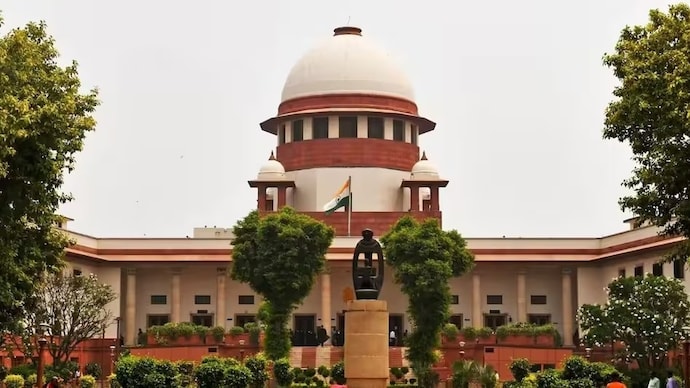
A group of paramilitary officers has moved the Supreme Court against certain provisions of the newly enacted CAPFs (General Administration) Act, saying the law will continue to restrict their career progression, official sources said on Saturday. The matter has been listed for hearing in the first week of August, according to court documents.
Officers and their legal representatives told PTI that a batch of writ petitions has been filed by about 3,000 cadre officers from the CRPF, BSF, ITBP, CISF and SSB. They said the petitions were filed under Article 32 of the Constitution, which allows citizens to approach the Supreme Court for enforcement of their Fundamental Rights.
The petitioners said they were "forced" to approach the Supreme Court because they felt justice was not served by the new Act and the directions in the Supreme Court's May 2025 verdict were not implemented. "We feel that the latest Act will not resolve the huge stagnation and career progression of CAPF cadre officers," they said. The petitioners include gallantry medal winners and a few women officers.
The officers have sought a declaration that Sections 3 and 4 of the CAPF (General Administration) Act, 2026 are "ultra vires" the Constitution. They have also asked that the Union government be directed to give "full effect" to the Supreme Court's May 2025 judgment.
On May 23 last year, the Supreme Court said deputation of Indian Police Service officers up to the rank of Inspector General in the CAPFs should be "progressively reduced" over two years to create more opportunities for cadre officers, whose delayed promotions can "adversely" affect morale. The top court had also rejected a review petition filed by the Centre against that order.
The Union government later brought the CAPFs (General Administration) Bill in Parliament, which was notified as an Act in April. Section 3 of the Act deals with regulation of recruitment and service conditions in the CAPFs, while Section 4 covers the central government's power to amend schedules. The officers are also understood to have sought that posts in the Additional Director General rank in the CAPFs should be opened to cadre officers of the respective forces on the basis of prescribed eligibility, instead of being filled only through deputation from the IPS.
The government has said the Act aims to create a unified legal framework for service conditions across the CAPFs, replacing separate service rule systems for cadre officers and officers on deputation from the IPS. Under the new Act, 50 per cent of posts at the Inspector General level, 67 per cent at the Additional Director General rank, and 100 per cent of posts at the Special Director General and Director General ranks are reserved for IPS officers.
The issue affects the career progression of about 13,000 CAPF cadre officers, whose first promotion is delayed by as much as 15 to 16 years in the worst cases, while an IPS officer gets four promotions in the same period. Retired IPS officers have said in newspaper editorials that, as members of an all-India service, their deputation to the CAPFs was "vital" and "essential" for smooth coordination with state police forces. The CAPFs function under the Union home ministry and handle law and order duties, internal security work such as border guarding, counter-terror operations and anti-insurgency tasks, as well as election duties.
The petitions before the Supreme Court centre on whether the new law addresses long-standing concerns over stalled promotions in the CAPFs, with the petitioners seeking implementation of the court's earlier ruling and a wider role for cadre officers in senior ranks.
A group of paramilitary officers has moved the Supreme Court against certain provisions of the newly enacted CAPFs (General Administration) Act, saying the law will continue to restrict their career progression, official sources said on Saturday. The matter has been listed for hearing in the first week of August, according to court documents.
Officers and their legal representatives told PTI that a batch of writ petitions has been filed by about 3,000 cadre officers from the CRPF, BSF, ITBP, CISF and SSB. They said the petitions were filed under Article 32 of the Constitution, which allows citizens to approach the Supreme Court for enforcement of their Fundamental Rights.
The petitioners said they were "forced" to approach the Supreme Court because they felt justice was not served by the new Act and the directions in the Supreme Court's May 2025 verdict were not implemented. "We feel that the latest Act will not resolve the huge stagnation and career progression of CAPF cadre officers," they said. The petitioners include gallantry medal winners and a few women officers.
The officers have sought a declaration that Sections 3 and 4 of the CAPF (General Administration) Act, 2026 are "ultra vires" the Constitution. They have also asked that the Union government be directed to give "full effect" to the Supreme Court's May 2025 judgment.
On May 23 last year, the Supreme Court said deputation of Indian Police Service officers up to the rank of Inspector General in the CAPFs should be "progressively reduced" over two years to create more opportunities for cadre officers, whose delayed promotions can "adversely" affect morale. The top court had also rejected a review petition filed by the Centre against that order.
The Union government later brought the CAPFs (General Administration) Bill in Parliament, which was notified as an Act in April. Section 3 of the Act deals with regulation of recruitment and service conditions in the CAPFs, while Section 4 covers the central government's power to amend schedules. The officers are also understood to have sought that posts in the Additional Director General rank in the CAPFs should be opened to cadre officers of the respective forces on the basis of prescribed eligibility, instead of being filled only through deputation from the IPS.
The government has said the Act aims to create a unified legal framework for service conditions across the CAPFs, replacing separate service rule systems for cadre officers and officers on deputation from the IPS. Under the new Act, 50 per cent of posts at the Inspector General level, 67 per cent at the Additional Director General rank, and 100 per cent of posts at the Special Director General and Director General ranks are reserved for IPS officers.
The issue affects the career progression of about 13,000 CAPF cadre officers, whose first promotion is delayed by as much as 15 to 16 years in the worst cases, while an IPS officer gets four promotions in the same period. Retired IPS officers have said in newspaper editorials that, as members of an all-India service, their deputation to the CAPFs was "vital" and "essential" for smooth coordination with state police forces. The CAPFs function under the Union home ministry and handle law and order duties, internal security work such as border guarding, counter-terror operations and anti-insurgency tasks, as well as election duties.
The petitions before the Supreme Court centre on whether the new law addresses long-standing concerns over stalled promotions in the CAPFs, with the petitioners seeking implementation of the court's earlier ruling and a wider role for cadre officers in senior ranks.
A group of paramilitary officers has moved the Supreme Court against certain provisions of the newly enacted CAPFs (General Administration) Act, saying the law will continue to restrict their career progression, official sources said on Saturday. The matter has been listed for hearing in the first week of August, according to court documents.
Officers and their legal representatives told PTI that a batch of writ petitions has been filed by about 3,000 cadre officers from the CRPF, BSF, ITBP, CISF and SSB. They said the petitions were filed under Article 32 of the Constitution, which allows citizens to approach the Supreme Court for enforcement of their Fundamental Rights.
The petitioners said they were "forced" to approach the Supreme Court because they felt justice was not served by the new Act and the directions in the Supreme Court's May 2025 verdict were not implemented. "We feel that the latest Act will not resolve the huge stagnation and career progression of CAPF cadre officers," they said. The petitioners include gallantry medal winners and a few women officers.
The officers have sought a declaration that Sections 3 and 4 of the CAPF (General Administration) Act, 2026 are "ultra vires" the Constitution. They have also asked that the Union government be directed to give "full effect" to the Supreme Court's May 2025 judgment.
On May 23 last year, the Supreme Court said deputation of Indian Police Service officers up to the rank of Inspector General in the CAPFs should be "progressively reduced" over two years to create more opportunities for cadre officers, whose delayed promotions can "adversely" affect morale. The top court had also rejected a review petition filed by the Centre against that order.
The Union government later brought the CAPFs (General Administration) Bill in Parliament, which was notified as an Act in April. Section 3 of the Act deals with regulation of recruitment and service conditions in the CAPFs, while Section 4 covers the central government's power to amend schedules. The officers are also understood to have sought that posts in the Additional Director General rank in the CAPFs should be opened to cadre officers of the respective forces on the basis of prescribed eligibility, instead of being filled only through deputation from the IPS.
The government has said the Act aims to create a unified legal framework for service conditions across the CAPFs, replacing separate service rule systems for cadre officers and officers on deputation from the IPS. Under the new Act, 50 per cent of posts at the Inspector General level, 67 per cent at the Additional Director General rank, and 100 per cent of posts at the Special Director General and Director General ranks are reserved for IPS officers.
The issue affects the career progression of about 13,000 CAPF cadre officers, whose first promotion is delayed by as much as 15 to 16 years in the worst cases, while an IPS officer gets four promotions in the same period. Retired IPS officers have said in newspaper editorials that, as members of an all-India service, their deputation to the CAPFs was "vital" and "essential" for smooth coordination with state police forces. The CAPFs function under the Union home ministry and handle law and order duties, internal security work such as border guarding, counter-terror operations and anti-insurgency tasks, as well as election duties.
The petitions before the Supreme Court centre on whether the new law addresses long-standing concerns over stalled promotions in the CAPFs, with the petitioners seeking implementation of the court's earlier ruling and a wider role for cadre officers in senior ranks.

