Dubious: Delhi High Court upholds Rajpal Yadav's conviction in cheque bounce case
The Delhi High Court upheld actor Rajpal Yadav's conviction in seven cheque bounce cases and sentenced him to three months' simple imprisonment, with all sentences to run concurrently. The court noted that Yadav repeatedly failed to honour his commitments to settle the dispute despite multiple opportunities.
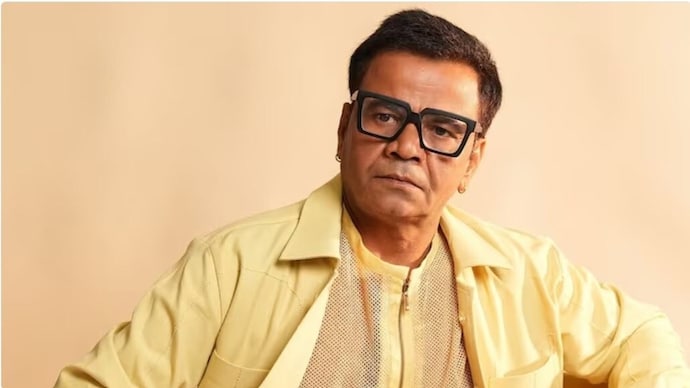
The Delhi High Court on Friday upheld actor Rajpal Yadav's conviction in multiple cheque bounce cases, observing that he failed to honour repeated commitments to settle the dispute. While affirming his conviction, the court sentenced the actor to three months' simple imprisonment in each of the seven cases, with all sentences to run concurrently.
Justice Swarana Kanta Sharma upheld the conviction and modified the sentence awarded earlier by the sessions court. Yadav has also been directed to pay Rs 1.05 crore to the complainant in each of the seven cases. Additionally, the court ordered him to pay Rs 1.04 lakh and Rs 75,000 to the complainant, along with Rs 25,000 to the State.
The High Court further directed Yadav's wife, Radha Yadav, to pay Rs 5,51,380 to the complainant in each case.
The court clarified that the Rs 2.25 crore already deposited by the actor would be adjusted against the final amount payable.
The case stems from a complaint filed by M/s Murli Projects Private Limited under Section 138 of the Negotiable Instruments Act over dishonoured cheques.
According to court records, Rajpal Yadav had borrowed Rs 5 crore from Delhi-based Murli Projects Pvt Ltd in 2010 to finance his directorial debut, Ata Pata Laapata. The film, which was released in 2012, failed at the box office, and the actor was unable to repay the loan, triggering a legal dispute that continued for several years.
In 2018, a magisterial court convicted Yadav and his wife, Radha Yadav, under Section 138 of the Negotiable Instruments Act after seven cheques issued by them were dishonoured. He was sentenced to six months' simple imprisonment. The conviction was later upheld by a sessions court, prompting Yadav to challenge the order before the Delhi High Court. By 2024, the outstanding amount had reportedly risen to Rs 9 crore.
In May 2024, a sessions court had convicted Yadav and sentenced him to six months' imprisonment. The Delhi High Court later suspended his sentence after his counsel assured the court that the dispute would be settled, following which the matter was referred to the Delhi High Court Mediation Centre.
However, the court noted that despite repeated assurances and several adjournments, Yadav failed to deposit the amounts he had undertaken to pay, including Rs 2.5 crore in installments.
In February 2026, the High Court directed the actor to surrender after he failed to comply with its directions. His plea seeking more time was rejected, and he surrendered on February 5. He was later granted interim suspension of sentence after depositing Rs 1.5 crore with the complainant.
The Delhi High Court on Friday upheld actor Rajpal Yadav's conviction in multiple cheque bounce cases, observing that he failed to honour repeated commitments to settle the dispute. While affirming his conviction, the court sentenced the actor to three months' simple imprisonment in each of the seven cases, with all sentences to run concurrently.
Justice Swarana Kanta Sharma upheld the conviction and modified the sentence awarded earlier by the sessions court. Yadav has also been directed to pay Rs 1.05 crore to the complainant in each of the seven cases. Additionally, the court ordered him to pay Rs 1.04 lakh and Rs 75,000 to the complainant, along with Rs 25,000 to the State.
The High Court further directed Yadav's wife, Radha Yadav, to pay Rs 5,51,380 to the complainant in each case.
The court clarified that the Rs 2.25 crore already deposited by the actor would be adjusted against the final amount payable.
The case stems from a complaint filed by M/s Murli Projects Private Limited under Section 138 of the Negotiable Instruments Act over dishonoured cheques.
According to court records, Rajpal Yadav had borrowed Rs 5 crore from Delhi-based Murli Projects Pvt Ltd in 2010 to finance his directorial debut, Ata Pata Laapata. The film, which was released in 2012, failed at the box office, and the actor was unable to repay the loan, triggering a legal dispute that continued for several years.
In 2018, a magisterial court convicted Yadav and his wife, Radha Yadav, under Section 138 of the Negotiable Instruments Act after seven cheques issued by them were dishonoured. He was sentenced to six months' simple imprisonment. The conviction was later upheld by a sessions court, prompting Yadav to challenge the order before the Delhi High Court. By 2024, the outstanding amount had reportedly risen to Rs 9 crore.
In May 2024, a sessions court had convicted Yadav and sentenced him to six months' imprisonment. The Delhi High Court later suspended his sentence after his counsel assured the court that the dispute would be settled, following which the matter was referred to the Delhi High Court Mediation Centre.
However, the court noted that despite repeated assurances and several adjournments, Yadav failed to deposit the amounts he had undertaken to pay, including Rs 2.5 crore in installments.
In February 2026, the High Court directed the actor to surrender after he failed to comply with its directions. His plea seeking more time was rejected, and he surrendered on February 5. He was later granted interim suspension of sentence after depositing Rs 1.5 crore with the complainant.

