How monsoon affects vegetable prices, milk supply and household budgets
The monsoon is more than a weather event, it plays a major role in India's food supply. Poor or erratic rainfall can increase vegetable and milk prices, putting extra pressure on household budgets.
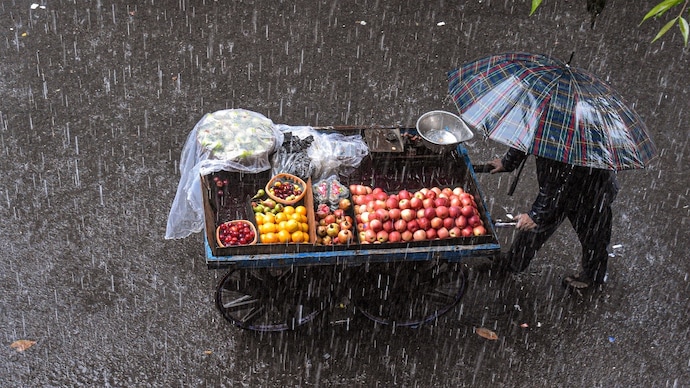
For most families, the monsoon is not just about umbrellas and traffic jams, it also affects the monthly grocery bill. A weak or erratic monsoon can lead to higher prices for vegetables, milk, pulses and edible oils by reducing farm output, disrupting transport and increasing production costs.
India has become more resilient over the years with better irrigation and food stocks, but rainfall still plays a major role in determining what ends up on the dinner table.
HOW A WEAK MONSOON AFFECTS YOUR GROCERY BILL
Rainfall is closely linked to India's food supply. When rainfall is below normal, crops receive less water, harvests decline and supplies become tighter.
On the other hand, excessive rain can flood fields, damage standing crops and delay transport from farms to markets. Both situations reduce availability and often lead to higher prices.
KEY DETAILS:
WHY VEGETABLE PRICES CHANGE FIRST
Vegetables are among the first items to become expensive when weather conditions change. They are highly perishable and depend on smooth transport and regular harvesting.
Heavy rainfall can flood farms and delay deliveries, while a rainfall deficit reduces production. This combination often affects tomatoes, onions, leafy vegetables and other everyday produce, leading to noticeable price increases within days.
WHY MILK PRICES ALSO GO UP
Unlike vegetables, milk is not directly damaged by rainfall, but dairy farming depends on a steady supply of fodder.
Poor rainfall reduces the availability of green fodder, raises feed costs and can lower milk production.
Dairy farmers may then face higher expenses, which can eventually be passed on to consumers through higher retail prices.
WHAT IT MEANS FOR HOUSEHOLDS
Food makes up a large share of household spending, so even small increases across several items can quickly stretch monthly budgets.
Higher prices for vegetables, milk, pulses and edible oils mean families may have to spend more on everyday groceries.
Rural households often face an additional challenge as lower farm incomes can coincide with rising food costs.
ALSO READ: Rain survival guide: What every commuter should carry this monsoon
WHY THE MONSOON STILL MATTERS
India now has stronger food reserves, wider irrigation coverage and better supply chains than in the past. Even so, the monsoon remains one of the biggest drivers of food inflation.
Whether rainfall is too little or too much, disruptions to farming and transport can affect supplies, making the monsoon not just a weather story but also a kitchen-budget story for millions of households.
For most families, the monsoon is not just about umbrellas and traffic jams, it also affects the monthly grocery bill. A weak or erratic monsoon can lead to higher prices for vegetables, milk, pulses and edible oils by reducing farm output, disrupting transport and increasing production costs.
India has become more resilient over the years with better irrigation and food stocks, but rainfall still plays a major role in determining what ends up on the dinner table.
HOW A WEAK MONSOON AFFECTS YOUR GROCERY BILL
Rainfall is closely linked to India's food supply. When rainfall is below normal, crops receive less water, harvests decline and supplies become tighter.
On the other hand, excessive rain can flood fields, damage standing crops and delay transport from farms to markets. Both situations reduce availability and often lead to higher prices.
KEY DETAILS:
WHY VEGETABLE PRICES CHANGE FIRST
Vegetables are among the first items to become expensive when weather conditions change. They are highly perishable and depend on smooth transport and regular harvesting.
Heavy rainfall can flood farms and delay deliveries, while a rainfall deficit reduces production. This combination often affects tomatoes, onions, leafy vegetables and other everyday produce, leading to noticeable price increases within days.
WHY MILK PRICES ALSO GO UP
Unlike vegetables, milk is not directly damaged by rainfall, but dairy farming depends on a steady supply of fodder.
Poor rainfall reduces the availability of green fodder, raises feed costs and can lower milk production.
Dairy farmers may then face higher expenses, which can eventually be passed on to consumers through higher retail prices.
WHAT IT MEANS FOR HOUSEHOLDS
Food makes up a large share of household spending, so even small increases across several items can quickly stretch monthly budgets.
Higher prices for vegetables, milk, pulses and edible oils mean families may have to spend more on everyday groceries.
Rural households often face an additional challenge as lower farm incomes can coincide with rising food costs.
ALSO READ: Rain survival guide: What every commuter should carry this monsoon
WHY THE MONSOON STILL MATTERS
India now has stronger food reserves, wider irrigation coverage and better supply chains than in the past. Even so, the monsoon remains one of the biggest drivers of food inflation.
Whether rainfall is too little or too much, disruptions to farming and transport can affect supplies, making the monsoon not just a weather story but also a kitchen-budget story for millions of households.

