Trump misread Iran. The consequences are now unfolding
Trump and his advisors have failed to recognise that their actions have turned Iran into a more nationalist, confident and powerful country.
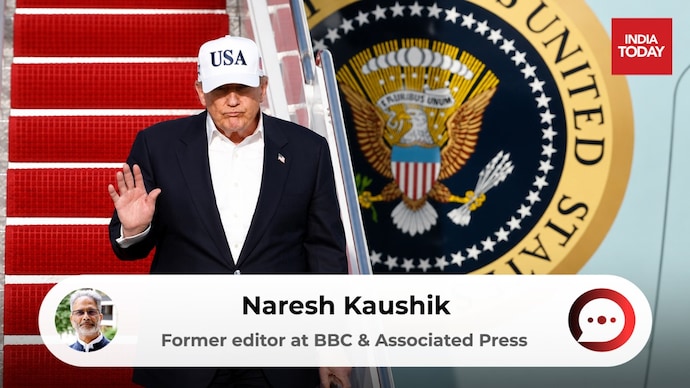
Just three weeks after signing a memorandum of understanding in France to end the war in Iran, Donald Trump declared on Wednesday that the deal was over.
Denouncing Iranians as 'scum', 'liars', and 'sick people', he said, "We can play games, but I’m not sure, I want to make a deal". The US bombarded Iran for the second night on Wednesday after Iran hit several oil tankers in the Strait of Hormuz on Tuesday. Iran has also struck US military bases in the Gulf in response.
Hardly anyone is surprised by these developments.
The 14-point MOU didn’t settle any of the issues that prompted the US and Israel to go to war with Iran. The status of Iran’s nuclear programme was deferred to further negotiations. The future of Iran’s ballistic missiles was not even mentioned. Even the status of the Strait of Hormuz was addressed only in broad terms. It merely stated that safe passage for commercial vessels would be provided at no charge for 60 days. But it granted Iran several concessions, including the immediate ability to start selling oil and recognised Tehran’s stake in Lebanon for the first time, linking the deal to Israel's stopping military action against Hezbollah.
The MOU was condemned in the US as a surrender, its worst humiliation since the Vietnam War. Yet that didn’t stop Trump from claiming victory. “For the first time in 3000 years, we are going to have peace in the Middle East,” Trump boasted two weeks ago.
In 2020, Trump observed on social media that "Iran has never won a war, but never lost a negotiation". One can debate whether Iran has won the war, but the latest developments confirm that Trump has lost not only the war but also the negotiations.
A MORE CONFIDENT NATION
Trump and his advisors have failed to recognise that their actions have turned Iran into a more nationalist, confident and powerful country. Trump’s threats no longer work on the country. Before the February 28 attack, Iran had just dealt with anti-regime protests, its economy was in a terrible state — it is still very weak — and its military had suffered severe setbacks. Its regional proxies had also been weakened by the US-backed Israel’s attacks.
But Iran not only survived 23,000 airstrikes by the US and Israel and the killings of its top leaders, but it also expanded the war into the Persian Gulf, inflicting heavy damage on 16 American bases and even rendering several inoperable. Israel also suffered heavy losses, which it had not anticipated. Iran also brought its most powerful weapon into play, the closure of the Strait of Hormuz, effectively blocking a fifth of the world’s energy supplies and creating havoc with the world’s economy.
In late April, the US Secretary of State, Marco Rubio, accepted that the strait had become Iran’s "economic nuclear weapon". It should not have come as a surprise to him, as Iran had threatened to use it many times before, and US experts had warned about it before the war. But Trump ignored them. Iran is not going to give up that weapon, which it now also sees as a source of revenue.
A SOLID PLAN
Iran’s conduct of the war and its decisions since then have not been erratic, unlike those of Trump. After its 12-day war last year, Iran prepared in detail for the next war, which it was sure would come soon. It knew that Israel and the US would target the leadership, so it delegated decision-making to local commanders. It also stepped up its military production to replenish the stock of missiles and drones lost during that war. The closure of the Strait of Hormuz and the expansion of the war in the Gulf were also part of the plan.
The way it quickly selected Mojtaba, the son of the assassinated Ayatollah Khamenei, as the next Supreme Leader was also impressive. And Mojtaba doesn’t act like his father. Most decisions are made by battle-hardened leaders of the Islamic Revolutionary Guard Corps in consultation with him. Even most political leaders have honed their skills within the IRGC. They are tough yet pragmatic. They know Iran’s strengths and aren’t hesitant to use them. But they are also well aware of Iran’s vulnerabilities.
NEW NATIONALISM
The killing of top leaders and civilians by Israel and the US during the war fuelled strong nationalist sentiments across Iran, which these hardline leaders have not hesitated to exploit. The funeral of Ayatollah Khamenei is a good example. It was timed to coincide with America’s 250th anniversary. The event helped unite Iranians, who raised slogans against Trump and the US. With the rise of nationalism since the war, the likelihood of anti-government protests is now low. Though this doesn’t mean people are not dissatisfied.
Even critics of the regime now support the government’s approach towards the US and Israel. Trump’s threats or any new strikes are only fuelling this nationalism. In recent days, crowds attending the funeral greeted the President, Masoud Pezeshkian, with slogans of “death to the normalisers” and "death to the traitors".
But there is a risk that Iran may be overplaying its hand, especially with its repeated use of the Strait of Hormuz as a weapon. Two alternative pipelines in the Gulf are already in use as alternatives to that waterway. Saudi Arabia is pumping as much crude as possible through its pipeline to its Red Sea port of Yanbu, built in the early 1980s during the Iran-Iraq War. A UAE pipeline transports crude from Abu Dhabi to the port of Fujairah on the Gulf of Oman. There are also discussions about building more such routes. That would reduce reliance on the Strait of Hormuz.
Trump has already ordered new airstrikes against Iran. But he can’t go back to a full-scale war. There is no appetite for that in the US, where even the Republican Party is increasingly opposed to it.
Trump has indicated he may reimpose a blockade on the Strait. But Iran is unlikely to be deterred. It has lived with sanctions for more than four decades, so sanctions are no deterrent to the regime in Tehran. It’s more likely that repeated bouts of fighting between Iran and the US could become the norm for some time.
(Naresh Kaushik is a former editor at the BBC and Associated Press. He is based in London.)
Just three weeks after signing a memorandum of understanding in France to end the war in Iran, Donald Trump declared on Wednesday that the deal was over.
Denouncing Iranians as 'scum', 'liars', and 'sick people', he said, "We can play games, but I’m not sure, I want to make a deal". The US bombarded Iran for the second night on Wednesday after Iran hit several oil tankers in the Strait of Hormuz on Tuesday. Iran has also struck US military bases in the Gulf in response.
Hardly anyone is surprised by these developments.
The 14-point MOU didn’t settle any of the issues that prompted the US and Israel to go to war with Iran. The status of Iran’s nuclear programme was deferred to further negotiations. The future of Iran’s ballistic missiles was not even mentioned. Even the status of the Strait of Hormuz was addressed only in broad terms. It merely stated that safe passage for commercial vessels would be provided at no charge for 60 days. But it granted Iran several concessions, including the immediate ability to start selling oil and recognised Tehran’s stake in Lebanon for the first time, linking the deal to Israel's stopping military action against Hezbollah.
The MOU was condemned in the US as a surrender, its worst humiliation since the Vietnam War. Yet that didn’t stop Trump from claiming victory. “For the first time in 3000 years, we are going to have peace in the Middle East,” Trump boasted two weeks ago.
In 2020, Trump observed on social media that "Iran has never won a war, but never lost a negotiation". One can debate whether Iran has won the war, but the latest developments confirm that Trump has lost not only the war but also the negotiations.
A MORE CONFIDENT NATION
Trump and his advisors have failed to recognise that their actions have turned Iran into a more nationalist, confident and powerful country. Trump’s threats no longer work on the country. Before the February 28 attack, Iran had just dealt with anti-regime protests, its economy was in a terrible state — it is still very weak — and its military had suffered severe setbacks. Its regional proxies had also been weakened by the US-backed Israel’s attacks.
But Iran not only survived 23,000 airstrikes by the US and Israel and the killings of its top leaders, but it also expanded the war into the Persian Gulf, inflicting heavy damage on 16 American bases and even rendering several inoperable. Israel also suffered heavy losses, which it had not anticipated. Iran also brought its most powerful weapon into play, the closure of the Strait of Hormuz, effectively blocking a fifth of the world’s energy supplies and creating havoc with the world’s economy.
In late April, the US Secretary of State, Marco Rubio, accepted that the strait had become Iran’s "economic nuclear weapon". It should not have come as a surprise to him, as Iran had threatened to use it many times before, and US experts had warned about it before the war. But Trump ignored them. Iran is not going to give up that weapon, which it now also sees as a source of revenue.
A SOLID PLAN
Iran’s conduct of the war and its decisions since then have not been erratic, unlike those of Trump. After its 12-day war last year, Iran prepared in detail for the next war, which it was sure would come soon. It knew that Israel and the US would target the leadership, so it delegated decision-making to local commanders. It also stepped up its military production to replenish the stock of missiles and drones lost during that war. The closure of the Strait of Hormuz and the expansion of the war in the Gulf were also part of the plan.
The way it quickly selected Mojtaba, the son of the assassinated Ayatollah Khamenei, as the next Supreme Leader was also impressive. And Mojtaba doesn’t act like his father. Most decisions are made by battle-hardened leaders of the Islamic Revolutionary Guard Corps in consultation with him. Even most political leaders have honed their skills within the IRGC. They are tough yet pragmatic. They know Iran’s strengths and aren’t hesitant to use them. But they are also well aware of Iran’s vulnerabilities.
NEW NATIONALISM
The killing of top leaders and civilians by Israel and the US during the war fuelled strong nationalist sentiments across Iran, which these hardline leaders have not hesitated to exploit. The funeral of Ayatollah Khamenei is a good example. It was timed to coincide with America’s 250th anniversary. The event helped unite Iranians, who raised slogans against Trump and the US. With the rise of nationalism since the war, the likelihood of anti-government protests is now low. Though this doesn’t mean people are not dissatisfied.
Even critics of the regime now support the government’s approach towards the US and Israel. Trump’s threats or any new strikes are only fuelling this nationalism. In recent days, crowds attending the funeral greeted the President, Masoud Pezeshkian, with slogans of “death to the normalisers” and "death to the traitors".
But there is a risk that Iran may be overplaying its hand, especially with its repeated use of the Strait of Hormuz as a weapon. Two alternative pipelines in the Gulf are already in use as alternatives to that waterway. Saudi Arabia is pumping as much crude as possible through its pipeline to its Red Sea port of Yanbu, built in the early 1980s during the Iran-Iraq War. A UAE pipeline transports crude from Abu Dhabi to the port of Fujairah on the Gulf of Oman. There are also discussions about building more such routes. That would reduce reliance on the Strait of Hormuz.
Trump has already ordered new airstrikes against Iran. But he can’t go back to a full-scale war. There is no appetite for that in the US, where even the Republican Party is increasingly opposed to it.
Trump has indicated he may reimpose a blockade on the Strait. But Iran is unlikely to be deterred. It has lived with sanctions for more than four decades, so sanctions are no deterrent to the regime in Tehran. It’s more likely that repeated bouts of fighting between Iran and the US could become the norm for some time.
(Naresh Kaushik is a former editor at the BBC and Associated Press. He is based in London.)

