Why Mashhad? The sacred symbolism behind Ayatollah Khamenei burial
Ayatollah Ali Khamenei's burial in Mashhad will link Iran's supreme leadership to his birthplace and the Imam Reza shrine. The move will highlight religious continuity and deepen Mashhad's place in the republic's symbolic order.
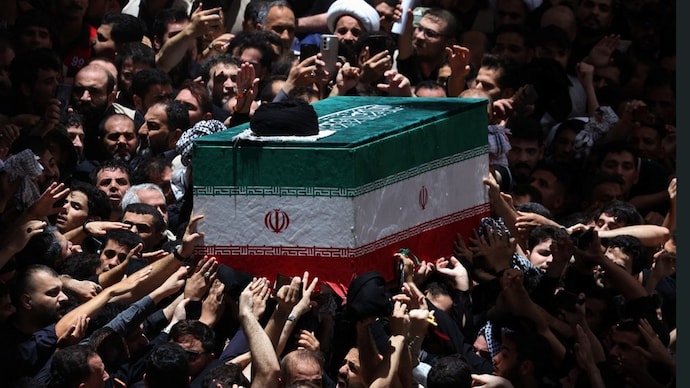
In Iran, the burial place of a supreme leader is never merely a matter of personal preference or family tradition. It is a profound religious, political and historical statement. When Iran's Supreme Leader, Ayatollah Ali Khamenei, is laid to rest in the holy city of Mashhad rather than in Tehran, the decision will symbolise far more than choosing a cemetery. It will connect the country's highest political authority with one of the holiest cities in Shia Islam and reinforce the spiritual identity upon which the Islamic Republic has long rested.
Mashhad is not only Iran's most revered religious city but also a place deeply intertwined with Khamenei's own life. Born in Mashhad in 1939, he received much of his early religious education there before emerging as one of the leading figures of the Islamic Revolution. A burial in his hometown will therefore unite personal history, religious symbolism and national identity.
MASHHAD: THE SPIRITUAL HEART OF SHIA ISLAM
Mashhad occupies an unparalleled place in Twelver Shia Islam because it is home to the sacred shrine of Imam Reza, the burial place of Ali Ibn Musa al-Ridha, the eighth Imam revered by Shia Muslims.
According to Shia belief, Imam Reza was poisoned in the early ninth century while in the region of Khorasan. His burial transformed the city into one of the greatest pilgrimage destinations in the Islamic world. Today, millions of pilgrims from Iran, Iraq, Lebanon, India, Pakistan, Afghanistan, the Gulf countries, and beyond visit the shrine every year seeking spiritual blessings.
For Shia Muslims, the shrine is second only to the holy shrines in Iraq, particularly those in Najaf and Karbala. The vast complex is not merely a mausoleum but a centre of religious scholarship, charitable activity, Islamic learning and cultural heritage. Its magnificent golden dome has become one of the most recognisable symbols of Shia Islam.
Being buried in the vicinity of Imam Reza's shrine is regarded by many believers as an immense spiritual honour. Throughout history, prominent clerics, scholars and influential figures have sought burial close to the shrine, believing proximity to the Imam carries both religious merit and enduring remembrance.
A HOMETOWN HERO'S HOMECOMING
For Ayatollah Khamenei, Mashhad is more than a holy city, it is home.
He spent his formative years studying Islamic sciences in Mashhad's seminaries before continuing advanced religious studies in Qom. His political activism against the Shah also began during his years as a young cleric in Mashhad, where he developed close ties with revolutionary scholars.
Returning to Mashhad in death will therefore complete a symbolic journey, from a young theology student in one of Islam's holiest cities to the Supreme Leader of the Islamic Republic, and finally back to the city that shaped his religious worldview.
Such symbolism resonates deeply within Iranian political culture, where birthplace, scholarship and religious lineage remain powerful markers of legitimacy.
THE LEGACY OF IMAM REZA
The significance of Imam Reza extends beyond theology.
As the only Shia Imam buried within present-day Iran, Imam Reza occupies a unique place in the country's religious identity. His shrine has historically served as a unifying force during periods of invasion, political upheaval and national crisis.
Iranian rulers from different dynasties invested heavily in expanding the shrine, recognising its immense influence over public life. After the 1979 Islamic Revolution, the shrine became even more central to the Islamic Republic's religious narrative.
A burial near Imam Reza will therefore associate Khamenei's legacy with one of the most enduring spiritual institutions in Iranian history. It will also strengthen the image of continuity between the country's religious leadership and the sacred heritage represented by the eighth Imam.
HOW IT DIFFERS FROM AYATOLLAH KHOMEINI'S BURIAL
Interestingly, Iran's Ayatollah Ruhollah Khomeini, was not buried in Mashhad.
Following his death in 1989, Khomeini was laid to rest at the massive Mausoleum of Ruhollah Khomeini on the southern outskirts of Tehran. The site has since evolved into one of Iran's largest national memorials, attracting millions of visitors annually during commemorative ceremonies.
The location reflected Khomeini's role as the founder of the Islamic Republic. Rather than emphasising a connection to a particular holy shrine, his mausoleum became a national monument representing the birth of revolutionary Iran.
Khamenei's burial in Mashhad, by contrast, will highlight religious continuity rather than revolutionary symbolism alone. It will emphasise the Islamic Republic's spiritual foundations, connecting its current leadership more directly with the sacred legacy of Imam Reza.
POLITICAL SYMBOLISM WRAPPED IN RELIGIOUS TRADITION
Burial locations often become places of collective memory.
When Ayatollah Ali Khamenei is buried in Mashhad, the city will likely emerge as both a national memorial and an international pilgrimage destination for supporters of the Islamic Republic. State ceremonies, religious commemorations and visits by foreign dignitaries could further elevate Mashhad's role in Iran's political landscape.
The decision will also reinforce Iran's longstanding effort to present itself as the principal guardian of Twelver Shia Islam. By linking the country's highest office with the shrine of Imam Reza, Tehran will underline its claim to religious leadership across the wider Shia world.
MORE THAN A GRAVE
The burial place of a nation's supreme leader often reflects the values that the nation wishes to preserve.
When Ayatollah Ali Khamenei is ultimately buried in Mashhad, it will not simply honour his birthplace, it will reaffirm the enduring importance of Imam Reza, elevate one of Shia Islam's holiest cities, and weave together faith, history and statecraft into a single powerful symbol.
Just as Ayatollah Khomeini's mausoleum in Tehran came to represent the birth of the Islamic Republic, a grave in Mashhad will represent something different; the spiritual continuity of Iran's religious leadership and its enduring bond with the sacred legacy of Imam Reza. In doing so, Mashhad will stand not only as a city of pilgrimage but also as the eternal resting place of one of modern Iran's most consequential leaders.
In Iran, the burial place of a supreme leader is never merely a matter of personal preference or family tradition. It is a profound religious, political and historical statement. When Iran's Supreme Leader, Ayatollah Ali Khamenei, is laid to rest in the holy city of Mashhad rather than in Tehran, the decision will symbolise far more than choosing a cemetery. It will connect the country's highest political authority with one of the holiest cities in Shia Islam and reinforce the spiritual identity upon which the Islamic Republic has long rested.
Mashhad is not only Iran's most revered religious city but also a place deeply intertwined with Khamenei's own life. Born in Mashhad in 1939, he received much of his early religious education there before emerging as one of the leading figures of the Islamic Revolution. A burial in his hometown will therefore unite personal history, religious symbolism and national identity.
MASHHAD: THE SPIRITUAL HEART OF SHIA ISLAM
Mashhad occupies an unparalleled place in Twelver Shia Islam because it is home to the sacred shrine of Imam Reza, the burial place of Ali Ibn Musa al-Ridha, the eighth Imam revered by Shia Muslims.
According to Shia belief, Imam Reza was poisoned in the early ninth century while in the region of Khorasan. His burial transformed the city into one of the greatest pilgrimage destinations in the Islamic world. Today, millions of pilgrims from Iran, Iraq, Lebanon, India, Pakistan, Afghanistan, the Gulf countries, and beyond visit the shrine every year seeking spiritual blessings.
For Shia Muslims, the shrine is second only to the holy shrines in Iraq, particularly those in Najaf and Karbala. The vast complex is not merely a mausoleum but a centre of religious scholarship, charitable activity, Islamic learning and cultural heritage. Its magnificent golden dome has become one of the most recognisable symbols of Shia Islam.
Being buried in the vicinity of Imam Reza's shrine is regarded by many believers as an immense spiritual honour. Throughout history, prominent clerics, scholars and influential figures have sought burial close to the shrine, believing proximity to the Imam carries both religious merit and enduring remembrance.
A HOMETOWN HERO'S HOMECOMING
For Ayatollah Khamenei, Mashhad is more than a holy city, it is home.
He spent his formative years studying Islamic sciences in Mashhad's seminaries before continuing advanced religious studies in Qom. His political activism against the Shah also began during his years as a young cleric in Mashhad, where he developed close ties with revolutionary scholars.
Returning to Mashhad in death will therefore complete a symbolic journey, from a young theology student in one of Islam's holiest cities to the Supreme Leader of the Islamic Republic, and finally back to the city that shaped his religious worldview.
Such symbolism resonates deeply within Iranian political culture, where birthplace, scholarship and religious lineage remain powerful markers of legitimacy.
THE LEGACY OF IMAM REZA
The significance of Imam Reza extends beyond theology.
As the only Shia Imam buried within present-day Iran, Imam Reza occupies a unique place in the country's religious identity. His shrine has historically served as a unifying force during periods of invasion, political upheaval and national crisis.
Iranian rulers from different dynasties invested heavily in expanding the shrine, recognising its immense influence over public life. After the 1979 Islamic Revolution, the shrine became even more central to the Islamic Republic's religious narrative.
A burial near Imam Reza will therefore associate Khamenei's legacy with one of the most enduring spiritual institutions in Iranian history. It will also strengthen the image of continuity between the country's religious leadership and the sacred heritage represented by the eighth Imam.
HOW IT DIFFERS FROM AYATOLLAH KHOMEINI'S BURIAL
Interestingly, Iran's Ayatollah Ruhollah Khomeini, was not buried in Mashhad.
Following his death in 1989, Khomeini was laid to rest at the massive Mausoleum of Ruhollah Khomeini on the southern outskirts of Tehran. The site has since evolved into one of Iran's largest national memorials, attracting millions of visitors annually during commemorative ceremonies.
The location reflected Khomeini's role as the founder of the Islamic Republic. Rather than emphasising a connection to a particular holy shrine, his mausoleum became a national monument representing the birth of revolutionary Iran.
Khamenei's burial in Mashhad, by contrast, will highlight religious continuity rather than revolutionary symbolism alone. It will emphasise the Islamic Republic's spiritual foundations, connecting its current leadership more directly with the sacred legacy of Imam Reza.
POLITICAL SYMBOLISM WRAPPED IN RELIGIOUS TRADITION
Burial locations often become places of collective memory.
When Ayatollah Ali Khamenei is buried in Mashhad, the city will likely emerge as both a national memorial and an international pilgrimage destination for supporters of the Islamic Republic. State ceremonies, religious commemorations and visits by foreign dignitaries could further elevate Mashhad's role in Iran's political landscape.
The decision will also reinforce Iran's longstanding effort to present itself as the principal guardian of Twelver Shia Islam. By linking the country's highest office with the shrine of Imam Reza, Tehran will underline its claim to religious leadership across the wider Shia world.
MORE THAN A GRAVE
The burial place of a nation's supreme leader often reflects the values that the nation wishes to preserve.
When Ayatollah Ali Khamenei is ultimately buried in Mashhad, it will not simply honour his birthplace, it will reaffirm the enduring importance of Imam Reza, elevate one of Shia Islam's holiest cities, and weave together faith, history and statecraft into a single powerful symbol.
Just as Ayatollah Khomeini's mausoleum in Tehran came to represent the birth of the Islamic Republic, a grave in Mashhad will represent something different; the spiritual continuity of Iran's religious leadership and its enduring bond with the sacred legacy of Imam Reza. In doing so, Mashhad will stand not only as a city of pilgrimage but also as the eternal resting place of one of modern Iran's most consequential leaders.

