Astronaut Shubhanshu Shukla recalls how DRDO's aamras, gajar ka halwa reached space
Shubhanshu Shukla said DRDO prepared multiple Indian dishes for his ISS mission, but only three went to space. The episode highlights the strict testing and time pressures shaping India's space food plans for Gaganyaan.
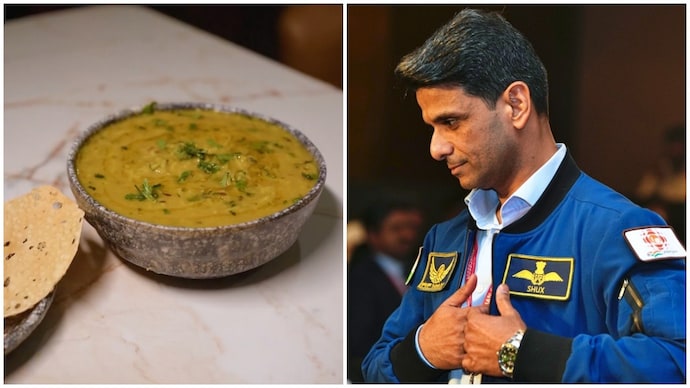
When Indian astronaut Shubhanshu Shukla travelled to the International Space Station (ISS) in June 2025, he carried a taste of home with him, but only a small part of what scientists had originally hoped to send.
Speaking on a podcast with Raj Shamani, Shukla revealed that the Defence Food Research Laboratory (DFRL), a DRDO laboratory developing space food for India's upcoming Gaganyaan mission, had prepared an extensive menu of Indian dishes to be sent to space with the Axiom-4 mission.
However, only three items — Gajar Ka Halwa, Moong Dal Ka Halwa and Amras — were certified for flight.
"We tried to take Indian food. DFRL, which is under DRDO and is making food for the Gaganyaan mission. The aim was to qualify as much as possible. If it is able to fly to the Station, it is certified, and it can be flown to space," Shukla said.
The original menu included favourites such as khichdi, pulao, vegetables and several other Indian dishes. But getting food approved for space is far more complicated than simply preparing a meal.
According to Shukla, there was not one single reason why the remaining dishes did not fly onboard. One of the biggest challenges was time.
"There may have been some additional tests that they would have wanted to do, but they might not have enough time to do those tests. So only three foods could be qualified," he explained.
Food flown to space must undergo extensive testing to ensure it remains safe, nutritious and stable for months without refrigeration. It must also withstand launch vibrations, operate safely in microgravity, avoid producing floating crumbs or excess moisture, and meet stringent microbial safety standards.
DRDO is preparing an extensive menu of dishes for India's human spaceflight program, the Gaganyaan Mission, to be qualified and certified by Indian agencies.
Although Shukla could not consume the three certified Indian dishes, the rest of the international crew sampled them in space.
"I couldn't eat any Indian food as all three items were shared with my crewmates, and they really enjoyed them. What better way to be in space than sharing food?" he said.
Despite carrying a taste of India, Shukla admitted that by the 13th day of his mission, he began craving familiar flavours.
Life in microgravity changes the human body in unexpected ways. Fluid shifts toward the head often leave astronauts feeling as though they have a blocked nose, reducing both taste and smell.
In addition, NASA's space meals are generally prepared with lower sodium levels to protect astronauts' health during long-duration missions.
"I started craving salty and spicy food," Shukla recalled. "I even called my flight surgeon and asked if I could get something salty."
His wish finally came true after landing back on Earth, when his Indian flight surgeon welcomed him with banana chips and bhakarwadi, simple snacks that, after weeks in orbit, tasted like home.
The experience is expected to provide valuable lessons for DFRL as it continues developing a wider range of Indian space foods for future Gaganyaan astronauts, ensuring that India's first human spaceflight crew can enjoy a richer menu while living and working in orbit.
When Indian astronaut Shubhanshu Shukla travelled to the International Space Station (ISS) in June 2025, he carried a taste of home with him, but only a small part of what scientists had originally hoped to send.
Speaking on a podcast with Raj Shamani, Shukla revealed that the Defence Food Research Laboratory (DFRL), a DRDO laboratory developing space food for India's upcoming Gaganyaan mission, had prepared an extensive menu of Indian dishes to be sent to space with the Axiom-4 mission.
However, only three items — Gajar Ka Halwa, Moong Dal Ka Halwa and Amras — were certified for flight.
"We tried to take Indian food. DFRL, which is under DRDO and is making food for the Gaganyaan mission. The aim was to qualify as much as possible. If it is able to fly to the Station, it is certified, and it can be flown to space," Shukla said.
The original menu included favourites such as khichdi, pulao, vegetables and several other Indian dishes. But getting food approved for space is far more complicated than simply preparing a meal.
According to Shukla, there was not one single reason why the remaining dishes did not fly onboard. One of the biggest challenges was time.
"There may have been some additional tests that they would have wanted to do, but they might not have enough time to do those tests. So only three foods could be qualified," he explained.
Food flown to space must undergo extensive testing to ensure it remains safe, nutritious and stable for months without refrigeration. It must also withstand launch vibrations, operate safely in microgravity, avoid producing floating crumbs or excess moisture, and meet stringent microbial safety standards.
DRDO is preparing an extensive menu of dishes for India's human spaceflight program, the Gaganyaan Mission, to be qualified and certified by Indian agencies.
Although Shukla could not consume the three certified Indian dishes, the rest of the international crew sampled them in space.
"I couldn't eat any Indian food as all three items were shared with my crewmates, and they really enjoyed them. What better way to be in space than sharing food?" he said.
Despite carrying a taste of India, Shukla admitted that by the 13th day of his mission, he began craving familiar flavours.
Life in microgravity changes the human body in unexpected ways. Fluid shifts toward the head often leave astronauts feeling as though they have a blocked nose, reducing both taste and smell.
In addition, NASA's space meals are generally prepared with lower sodium levels to protect astronauts' health during long-duration missions.
"I started craving salty and spicy food," Shukla recalled. "I even called my flight surgeon and asked if I could get something salty."
His wish finally came true after landing back on Earth, when his Indian flight surgeon welcomed him with banana chips and bhakarwadi, simple snacks that, after weeks in orbit, tasted like home.
The experience is expected to provide valuable lessons for DFRL as it continues developing a wider range of Indian space foods for future Gaganyaan astronauts, ensuring that India's first human spaceflight crew can enjoy a richer menu while living and working in orbit.
When Indian astronaut Shubhanshu Shukla travelled to the International Space Station (ISS) in June 2025, he carried a taste of home with him, but only a small part of what scientists had originally hoped to send.
Speaking on a podcast with Raj Shamani, Shukla revealed that the Defence Food Research Laboratory (DFRL), a DRDO laboratory developing space food for India's upcoming Gaganyaan mission, had prepared an extensive menu of Indian dishes to be sent to space with the Axiom-4 mission.
However, only three items — Gajar Ka Halwa, Moong Dal Ka Halwa and Amras — were certified for flight.
"We tried to take Indian food. DFRL, which is under DRDO and is making food for the Gaganyaan mission. The aim was to qualify as much as possible. If it is able to fly to the Station, it is certified, and it can be flown to space," Shukla said.
The original menu included favourites such as khichdi, pulao, vegetables and several other Indian dishes. But getting food approved for space is far more complicated than simply preparing a meal.
According to Shukla, there was not one single reason why the remaining dishes did not fly onboard. One of the biggest challenges was time.
"There may have been some additional tests that they would have wanted to do, but they might not have enough time to do those tests. So only three foods could be qualified," he explained.
Food flown to space must undergo extensive testing to ensure it remains safe, nutritious and stable for months without refrigeration. It must also withstand launch vibrations, operate safely in microgravity, avoid producing floating crumbs or excess moisture, and meet stringent microbial safety standards.
DRDO is preparing an extensive menu of dishes for India's human spaceflight program, the Gaganyaan Mission, to be qualified and certified by Indian agencies.
Although Shukla could not consume the three certified Indian dishes, the rest of the international crew sampled them in space.
"I couldn't eat any Indian food as all three items were shared with my crewmates, and they really enjoyed them. What better way to be in space than sharing food?" he said.
Despite carrying a taste of India, Shukla admitted that by the 13th day of his mission, he began craving familiar flavours.
Life in microgravity changes the human body in unexpected ways. Fluid shifts toward the head often leave astronauts feeling as though they have a blocked nose, reducing both taste and smell.
In addition, NASA's space meals are generally prepared with lower sodium levels to protect astronauts' health during long-duration missions.
"I started craving salty and spicy food," Shukla recalled. "I even called my flight surgeon and asked if I could get something salty."
His wish finally came true after landing back on Earth, when his Indian flight surgeon welcomed him with banana chips and bhakarwadi, simple snacks that, after weeks in orbit, tasted like home.
The experience is expected to provide valuable lessons for DFRL as it continues developing a wider range of Indian space foods for future Gaganyaan astronauts, ensuring that India's first human spaceflight crew can enjoy a richer menu while living and working in orbit.

