OpenAI is making AI speaker, new report gives inside look at it before launch
OpenAI is gearing up to launch its first in-house AI hardware device – an AI smartspeaker. And now, a report has given us a clue about what this device might look like.
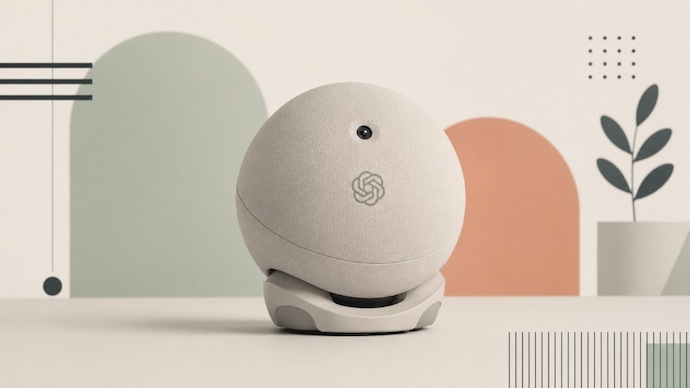
OpenAI wants to enter the consumer hardware business. The AI startup has been working on hardware devices for some time now, with former Apple designer Jony Ive. While rumours in the past indicated that the first OpenAI device will be a speaker, a new report has given us some idea about what it might look like – a portable smart speaker without a display.
As per a report from Bloomberg, OpenAI is working on a portable, screenless smart speaker as its first hardware device. The speaker is said to be designed as your AI companion at home.
While the speaker will be the first OpenAI device built in-house, the company did showcase the Codex Micro last month. Codex Micro is a Codex-branded input device built in partnership with accessories company Work Louder.
What can the OpenAI speaker look like?
It is believed that the OpenAI speaker will have a portable formfactor, which will make it easier for users to move it around the house. The report says that instead of having it plugged-in to operate, it can come with a rechargeable battery, adding to the portability factor.
The speaker is not expected to come with a speaker, though it will likely come with a camera and other sensors.
OpenAI may also use mechanical elements for the speaker, which can move on their own, giving it a more lifelike presence.
“Humanlike AI companion”
The report indicates that internally, OpenAI is pitching the device as a humanlike AI companion for home. While it is still in development, it is believed that the speaker will have close ChatGPT integration.
As is the case with most smart speakers, you can expect the OpenAI device to be able to control your smart home appliances, and play media. However, the report indicates that the speaker will likely support a more advanced version of ChatGPT-Live that was launched earlier this month.
ChatGPT-Live is OpenAI’s most advanced voice model which the AI startup says can talk more like a human compared to older versions. If the report is accurate, we can expect even better voice capabilities from the speaker.
The rumoured camera and other sensors in the speaker will also help it understand surroundings and context, likely to provide more accurate replies based on the situation.
It is expected that you can connect the speaker with your existing ChatGPT account, allowing the AI to be able to draw on personal information, including emails.
OpenAI sees the speaker as a major step in its push into devices and a way to compete more directly with Apple, Amazon and Google. The company believes the product’s defining feature will be its personality and its ability to connect with users in a more humanlike way.
The device is reportedly designed to become more personalised and proactive over time, anticipating needs, surfacing information on its own and acting as an expert on its user.
OpenAI faces Apple lawsuit
The project comes as OpenAI faces legal pressure from Apple. Apple sued OpenAI last week, accusing it of stealing trade secrets and using former Apple employees, recruiting practices and supplier relationships to speed up its hardware work.
Apple’s complaint names OpenAI Chief Hardware Officer Tang Tan, a former head of iPhone product design and an io Products co-founder, alleging that he led efforts to obtain confidential information about Apple’s future products and engineering practices.
OpenAI has denied wrongdoing, saying it has “no interest in other companies’ trade secrets” and that it is not aware of evidence showing the complaint has merit. Apple itself has said discovery will be needed to determine whether OpenAI is using its technology.
Last year, OpenAI bought io Products, the startup co-founded by former Apple design chief Jony Ive, for $6.5 billion to build devices for the generative AI era. Ive’s studio LoveFrom is helping develop the hardware line, which also involves former Apple designers and engineers, including Evans Hankey and Paul Meade.
OpenAI’s hardware division is said to be working on about five products, but plans to start with the speaker, aiming to unveil it this year and release it in 2027, though the legal process could affect that timeline. Apple, which sells the HomePod and HomePod mini, is also preparing its own AI-focused home devices, including a delayed smart-home control centre and a larger display mounted on a robotic arm.
OpenAI wants to enter the consumer hardware business. The AI startup has been working on hardware devices for some time now, with former Apple designer Jony Ive. While rumours in the past indicated that the first OpenAI device will be a speaker, a new report has given us some idea about what it might look like – a portable smart speaker without a display.
As per a report from Bloomberg, OpenAI is working on a portable, screenless smart speaker as its first hardware device. The speaker is said to be designed as your AI companion at home.
While the speaker will be the first OpenAI device built in-house, the company did showcase the Codex Micro last month. Codex Micro is a Codex-branded input device built in partnership with accessories company Work Louder.
What can the OpenAI speaker look like?
It is believed that the OpenAI speaker will have a portable formfactor, which will make it easier for users to move it around the house. The report says that instead of having it plugged-in to operate, it can come with a rechargeable battery, adding to the portability factor.
The speaker is not expected to come with a speaker, though it will likely come with a camera and other sensors.
OpenAI may also use mechanical elements for the speaker, which can move on their own, giving it a more lifelike presence.
“Humanlike AI companion”
The report indicates that internally, OpenAI is pitching the device as a humanlike AI companion for home. While it is still in development, it is believed that the speaker will have close ChatGPT integration.
As is the case with most smart speakers, you can expect the OpenAI device to be able to control your smart home appliances, and play media. However, the report indicates that the speaker will likely support a more advanced version of ChatGPT-Live that was launched earlier this month.
ChatGPT-Live is OpenAI’s most advanced voice model which the AI startup says can talk more like a human compared to older versions. If the report is accurate, we can expect even better voice capabilities from the speaker.
The rumoured camera and other sensors in the speaker will also help it understand surroundings and context, likely to provide more accurate replies based on the situation.
It is expected that you can connect the speaker with your existing ChatGPT account, allowing the AI to be able to draw on personal information, including emails.
OpenAI sees the speaker as a major step in its push into devices and a way to compete more directly with Apple, Amazon and Google. The company believes the product’s defining feature will be its personality and its ability to connect with users in a more humanlike way.
The device is reportedly designed to become more personalised and proactive over time, anticipating needs, surfacing information on its own and acting as an expert on its user.
OpenAI faces Apple lawsuit
The project comes as OpenAI faces legal pressure from Apple. Apple sued OpenAI last week, accusing it of stealing trade secrets and using former Apple employees, recruiting practices and supplier relationships to speed up its hardware work.
Apple’s complaint names OpenAI Chief Hardware Officer Tang Tan, a former head of iPhone product design and an io Products co-founder, alleging that he led efforts to obtain confidential information about Apple’s future products and engineering practices.
OpenAI has denied wrongdoing, saying it has “no interest in other companies’ trade secrets” and that it is not aware of evidence showing the complaint has merit. Apple itself has said discovery will be needed to determine whether OpenAI is using its technology.
Last year, OpenAI bought io Products, the startup co-founded by former Apple design chief Jony Ive, for $6.5 billion to build devices for the generative AI era. Ive’s studio LoveFrom is helping develop the hardware line, which also involves former Apple designers and engineers, including Evans Hankey and Paul Meade.
OpenAI’s hardware division is said to be working on about five products, but plans to start with the speaker, aiming to unveil it this year and release it in 2027, though the legal process could affect that timeline. Apple, which sells the HomePod and HomePod mini, is also preparing its own AI-focused home devices, including a delayed smart-home control centre and a larger display mounted on a robotic arm.

