Iran withdraws from US peace deal over blockade, vows full control of Hormuz
Iran said it no longer considered itself bound by the June 17 peace memorandum after fresh US airstrikes and a renewed naval blockade. Tehran also said wartime conditions required full control over the Strait of Hormuz and ruled out immediate talks with Washington.
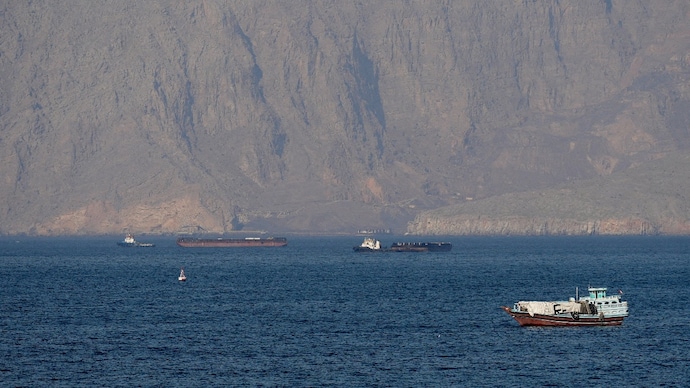
As the US launched another round of airstrikes on Iranian military targets, the Islamic Republic has declared that it was no longer bound by the peace memorandum signed last month and insisted that it would exercise complete wartime control over the Strait of Hormuz.
The sharp escalation came after the US said that the latest strikes targeted facilities linked to what it described as "emerging threats" and capabilities allegedly used to launch attacks on commercial shipping transiting Hormuz.
The strikes also preceded a renewed US naval blockade around Iranian ports and coastal areas, with President Donald Trump announcing that Washington would become the "Guardian of the Hormuz Strait."
Responding to the developments, Iran's Deputy Foreign Minister Kazem Gharibabadi accused Washington of effectively tearing up the June 17 Memorandum of Understanding (MoU), which had been negotiated to halt the conflict that began on February 28.
"The US has gone beyond merely violating the MoU. With tonight's naval blockade, the agreement has effectively been dismantled. Iran no longer considers itself bound by the memorandum," Gharibabadi said in an interview with Iranian state television.
Gharibabadi also hardened Tehran's position on the vital waterway, describing the waterway as central to Iran's national security.
He said that although Oman normally shares responsibility over the strategic strait, wartime conditions required Iran to exercise control across the entire passage.
According to Iran's Tasnim News Agency, the Deputy Foreign Minister said Tehran would enforce its sovereignty over the strait "whatever that costs."
Gharibabadi also ruled out any immediate diplomatic engagement with Washington.
"Iran will never request negotiations with the US," he added.
As the US continued striking Iran, Trump said in an interview with Fox News that Washington was prepared to expand its military campaign if Iran did not return to the negotiating table.
"I'll save the energy targets for last, but ultimately we'll hit energy targets," Trump said. "Next week comes the power plants, next week comes the bridges. Unless they get to the table and negotiate."
The June 17 agreement had been intended to pause the conflict for 60 days while both sides worked toward a broader settlement.
The framework envisioned restoring safe international navigation through Hormuz, reducing military tensions and pursuing negotiations over Iran's nuclear programme.
However, the latest military exchanges have cast serious doubt over the future of that process.
As the US launched another round of airstrikes on Iranian military targets, the Islamic Republic has declared that it was no longer bound by the peace memorandum signed last month and insisted that it would exercise complete wartime control over the Strait of Hormuz.
The sharp escalation came after the US said that the latest strikes targeted facilities linked to what it described as "emerging threats" and capabilities allegedly used to launch attacks on commercial shipping transiting Hormuz.
The strikes also preceded a renewed US naval blockade around Iranian ports and coastal areas, with President Donald Trump announcing that Washington would become the "Guardian of the Hormuz Strait."
Responding to the developments, Iran's Deputy Foreign Minister Kazem Gharibabadi accused Washington of effectively tearing up the June 17 Memorandum of Understanding (MoU), which had been negotiated to halt the conflict that began on February 28.
"The US has gone beyond merely violating the MoU. With tonight's naval blockade, the agreement has effectively been dismantled. Iran no longer considers itself bound by the memorandum," Gharibabadi said in an interview with Iranian state television.
Gharibabadi also hardened Tehran's position on the vital waterway, describing the waterway as central to Iran's national security.
He said that although Oman normally shares responsibility over the strategic strait, wartime conditions required Iran to exercise control across the entire passage.
According to Iran's Tasnim News Agency, the Deputy Foreign Minister said Tehran would enforce its sovereignty over the strait "whatever that costs."
Gharibabadi also ruled out any immediate diplomatic engagement with Washington.
"Iran will never request negotiations with the US," he added.
As the US continued striking Iran, Trump said in an interview with Fox News that Washington was prepared to expand its military campaign if Iran did not return to the negotiating table.
"I'll save the energy targets for last, but ultimately we'll hit energy targets," Trump said. "Next week comes the power plants, next week comes the bridges. Unless they get to the table and negotiate."
The June 17 agreement had been intended to pause the conflict for 60 days while both sides worked toward a broader settlement.
The framework envisioned restoring safe international navigation through Hormuz, reducing military tensions and pursuing negotiations over Iran's nuclear programme.
However, the latest military exchanges have cast serious doubt over the future of that process.

