Senior US defence official scoffs at 'middle powers' after alienating Europe
Elbridge Colby, who is a proponent of the 'America First' policy, rejected the notion that allies are distancing themselves from Washington, even as European policymakers frustrated with Trump are diversifying their ties with other nations.
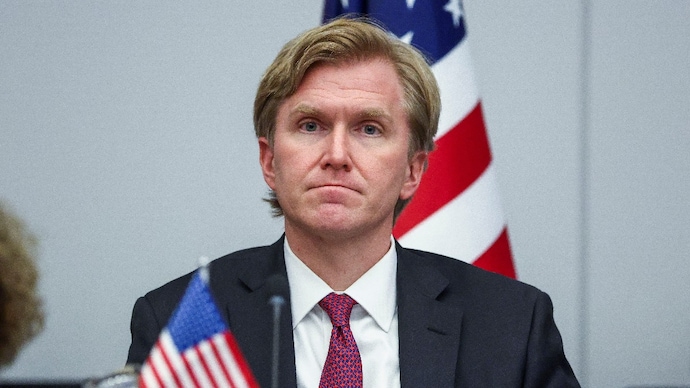
A senior US defence official has scoffed at the idea of an alliance of "middle powers," arguing that allies would be wasting time pursuing such a strategy even as the rest of the world is increasingly pivoting away from America under a mercurial Donald Trump.
In a series of posts on X, Under Secretary of War for Policy Elbridge Colby argued that countries seeking closer cooperation outside the US-led order lack the cohesion to form a meaningful bloc capable of rivalling American influence.
His remarks come at a time when Nato allies, tired of Trump’s threats to withdraw from the military alliance, are banding tighter together. Other European powers are working to de-risk from the US by boosting their own defence industry and diversifying relationships with other nations.
"There is a great deal of hubbub about a collective 'middle powers' strategy these days. At DoW, we are not concerned that this is a serious possibility. Rather, we are more concerned that a few allies and partners will think it is and waste valuable time, money, and political capital on a distraction," Colby wrote.
WHAT ARE 'MIDDLE POWERS'?
According to the World Economic Forum, great powers are generally defined as the permanent members of the UN Security Council -- China, France, Russia, the United Kingdom and the US -- owing to their military, political and economic clout.
Middle powers occupy the tier below. Countries such as Australia, Canada and Japan have long been viewed as middle powers, while Global South nations like Brazil and Indonesia are increasingly grouped in the category because of their growing influence.
India has rejected ‘middle power’ label. External Affairs Minister S Jaishankar has instead described India as a "power in the middle" due to its strategic autonomy and aspirations for a larger global role.
Foreign policy experts believe a closer cooperation among such countries could provide a new form of multilateralism. Canadian Prime Minister Mark Carney attested to this when he called for an alliance of middle powers to resist a world that proscribes to the creed of “might makes right” imposed by global giants like the US and China.
"The middle powers must act together, because if we're not at the table, we're on the menu," Carney said in Davos.
ARCHITECT OF TRUMP’S STRATEGIC SHIFT
Elbridge Colby, the principal adviser to the Secretary of War on defence and foreign policy, was confirmed by the US Senate in April 2025. Since then, he has become one of the most influential voices shaping Trump's ‘America First’ defence policy.
Colby has overseen work on the 2026 National Defense Strategy, which prioritises homeland defence, the Western Hemisphere and deterring China, while advocating a reduced US military footprint in Europe and the Middle East.
Over the past year, Colby has been associated with decisions including pausing military aid to Ukraine, withdrawing troops from Romania and reviewing the AUKUS nuclear submarine partnership with Australia and the UK.
According to The Washington Post, he has emerged as the intellectual leader of a Republican faction that believes countering China should take precedence over maintaining longstanding US commitments elsewhere. This approach has generated friction both inside the administration and among Republican lawmakers.
With this strategic worldview, Colby's dismissal of middle powers comes as no surprise.
WHY COLBY IS UNDERMINING MIDDLE POWERS
Colby argued that efforts to build alternative strategic groupings rest on a flawed understanding of international politics.
"We are flexible realists. So, we view the international scene through the prism of interest, geography, economics, military power, etc. 'Middle powers' don't have a coherent basis for alignment," he wrote.
He also rejected the notion that allies are distancing themselves from Washington.
"We see an upsurge in desire for engagement with the United States, not a reduction," he claimed. "Under President Trump's leadership, countries not only see the value of American engagement, they can no longer take it for granted. We unquestionably see an incredibly strong and continuing demand signal for US military presence and engagement around the world."
However, it is an undeniable fact that European governments, frustrated by Trump’s repeated threats that the US could reduce its commitment to Nato, have accelerated efforts to strengthen the continent's defence industrial base, energy security and technological independence.
This week, days after a chaotic Nato summit in Ankara, the leaders of the UK, Germany, France, Ukraine and six other countries met in Paris and announced a shared anti-ballistic missiles programme for Europe.
Colby, on his part, staunchly rejected claims that dissatisfaction with Washington would weaken the American defence industry.
"The simple fact of the matter is that no alternative country or countries can compete with the US defense industrial base, either in quantity or quality," he boasted. "The United States, as the President says, makes the best equipment, and we make it at a scale that no plausible competitor can match. If anything, access to the American DIB is a privilege, not a right."
Contrast this with Europe increasing defence spending by 14% in 2025, but scaling back purchases from US defence companies by nearly half, according to The New York Times. Canada, nettled by Trump's threats to make it America's 51st state, has expanded its defence ties with Europe, joining a defence financing initiative worth more than $150 billion while also pursuing broader diplomatic engagement with China.
Even so, Colby said Washington supports allies increasing defence spending, provided those investments complement rather than compete with the United States.
"We welcome allies' investment in their own DIBs, but in ways that are collaborative with America's rather than trying in vain to replicate or supplant it," he signed off.
A senior US defence official has scoffed at the idea of an alliance of "middle powers," arguing that allies would be wasting time pursuing such a strategy even as the rest of the world is increasingly pivoting away from America under a mercurial Donald Trump.
In a series of posts on X, Under Secretary of War for Policy Elbridge Colby argued that countries seeking closer cooperation outside the US-led order lack the cohesion to form a meaningful bloc capable of rivalling American influence.
His remarks come at a time when Nato allies, tired of Trump’s threats to withdraw from the military alliance, are banding tighter together. Other European powers are working to de-risk from the US by boosting their own defence industry and diversifying relationships with other nations.
"There is a great deal of hubbub about a collective 'middle powers' strategy these days. At DoW, we are not concerned that this is a serious possibility. Rather, we are more concerned that a few allies and partners will think it is and waste valuable time, money, and political capital on a distraction," Colby wrote.
WHAT ARE 'MIDDLE POWERS'?
According to the World Economic Forum, great powers are generally defined as the permanent members of the UN Security Council -- China, France, Russia, the United Kingdom and the US -- owing to their military, political and economic clout.
Middle powers occupy the tier below. Countries such as Australia, Canada and Japan have long been viewed as middle powers, while Global South nations like Brazil and Indonesia are increasingly grouped in the category because of their growing influence.
India has rejected ‘middle power’ label. External Affairs Minister S Jaishankar has instead described India as a "power in the middle" due to its strategic autonomy and aspirations for a larger global role.
Foreign policy experts believe a closer cooperation among such countries could provide a new form of multilateralism. Canadian Prime Minister Mark Carney attested to this when he called for an alliance of middle powers to resist a world that proscribes to the creed of “might makes right” imposed by global giants like the US and China.
"The middle powers must act together, because if we're not at the table, we're on the menu," Carney said in Davos.
ARCHITECT OF TRUMP’S STRATEGIC SHIFT
Elbridge Colby, the principal adviser to the Secretary of War on defence and foreign policy, was confirmed by the US Senate in April 2025. Since then, he has become one of the most influential voices shaping Trump's ‘America First’ defence policy.
Colby has overseen work on the 2026 National Defense Strategy, which prioritises homeland defence, the Western Hemisphere and deterring China, while advocating a reduced US military footprint in Europe and the Middle East.
Over the past year, Colby has been associated with decisions including pausing military aid to Ukraine, withdrawing troops from Romania and reviewing the AUKUS nuclear submarine partnership with Australia and the UK.
According to The Washington Post, he has emerged as the intellectual leader of a Republican faction that believes countering China should take precedence over maintaining longstanding US commitments elsewhere. This approach has generated friction both inside the administration and among Republican lawmakers.
With this strategic worldview, Colby's dismissal of middle powers comes as no surprise.
WHY COLBY IS UNDERMINING MIDDLE POWERS
Colby argued that efforts to build alternative strategic groupings rest on a flawed understanding of international politics.
"We are flexible realists. So, we view the international scene through the prism of interest, geography, economics, military power, etc. 'Middle powers' don't have a coherent basis for alignment," he wrote.
He also rejected the notion that allies are distancing themselves from Washington.
"We see an upsurge in desire for engagement with the United States, not a reduction," he claimed. "Under President Trump's leadership, countries not only see the value of American engagement, they can no longer take it for granted. We unquestionably see an incredibly strong and continuing demand signal for US military presence and engagement around the world."
However, it is an undeniable fact that European governments, frustrated by Trump’s repeated threats that the US could reduce its commitment to Nato, have accelerated efforts to strengthen the continent's defence industrial base, energy security and technological independence.
This week, days after a chaotic Nato summit in Ankara, the leaders of the UK, Germany, France, Ukraine and six other countries met in Paris and announced a shared anti-ballistic missiles programme for Europe.
Colby, on his part, staunchly rejected claims that dissatisfaction with Washington would weaken the American defence industry.
"The simple fact of the matter is that no alternative country or countries can compete with the US defense industrial base, either in quantity or quality," he boasted. "The United States, as the President says, makes the best equipment, and we make it at a scale that no plausible competitor can match. If anything, access to the American DIB is a privilege, not a right."
Contrast this with Europe increasing defence spending by 14% in 2025, but scaling back purchases from US defence companies by nearly half, according to The New York Times. Canada, nettled by Trump's threats to make it America's 51st state, has expanded its defence ties with Europe, joining a defence financing initiative worth more than $150 billion while also pursuing broader diplomatic engagement with China.
Even so, Colby said Washington supports allies increasing defence spending, provided those investments complement rather than compete with the United States.
"We welcome allies' investment in their own DIBs, but in ways that are collaborative with America's rather than trying in vain to replicate or supplant it," he signed off.

