Sam Altman says singularity is here and humans must not be terrified
OpenAI CEO Sam Altman has said humanity is already in the artificial intelligence singularity, describing the current moment in AI development as one that once felt like science fiction. He also predicts that superintelligence is closer than many people think.
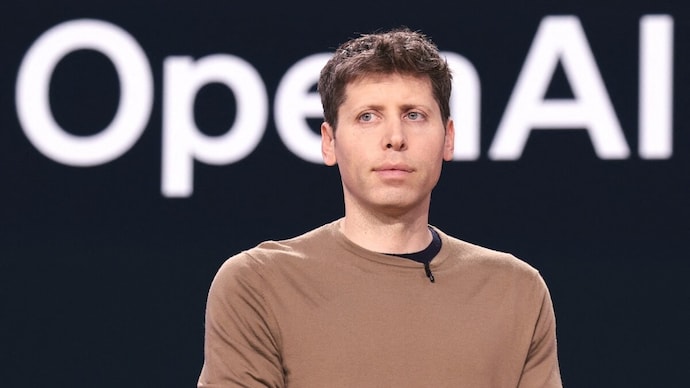
OpenAI CEO Sam Altman says the future many people fear is no longer years away, it is already here. Speaking on the Relentless podcast, he says humanity has already entered the AI singularity, a stage where artificial intelligence is advancing so rapidly that it could fundamentally reshape how people live and work. But Altman argues that people should not worry about what he describes as the overly terrifying visions of the future painted by some in the industry.
"We are now, like, in the singularity. This is the moment," Altman says during the interview. "The singularity seemed like this sort of far-off dream at best 10 years ago... Now we're actually in the moment that we used to talk about at the lunch table in a very not-serious way."
What is AI singularity?
The term "technological singularity" is commonly used to describe the point at which AI systems become capable of surpassing human intelligence and improving themselves at an increasingly rapid pace. Some researchers and industry experts fear this stage could lead to technological progress that becomes difficult for humans to predict or control.
Many researchers also believe that point is still years away. However, Altman argues that the transition has already begun rather than being a single event in the future. He suggests that AI is progressing along a continuous exponential curve and that humanity is now passing through one of its most important phases.
However, unlike the warnings and doomsday predictions that often accompany discussions about the AI singularity, Altman sounds optimistic. "I've been waiting for this my whole life and I think it's going to be incredible, hugely positive, awesome for the world," he says. He also pushes back against the darker narratives around AI, saying, "I also think some of the alternative visions painted by other companies are quite terrifying. I'm going to make sure that gets pushed against and is not what happens."
While Altman does not name any company, his remarks appear to contrast with AI leaders such as Anthropic CEO Dario Amodei, who has repeatedly called for greater attention to the risks posed by advanced AI systems.
According to Altman the biggest debate surrounding AI is no longer limited to safety, alignment or the future of jobs. Instead, he argues that the more fundamental question is who controls the technology. "The fight of the current moment is are we going to head to a world of AI authoritarianism or liberty?" he says. He also warns against concentrating AI in the hands of a single company or model, adding, "I don't think one company should own all of it. I don't think one model should own all of it. I don't think we should create one machine god."
Altman says superintelligence is close
In the same podcast, Altman also suggests humanity is getting closer to superintelligence. AI systems that surpass human intelligence across virtually all tasks. He believes the industry is approaching that milestone. "For the first time in 10 years, I'm starting to think about what comes after superintelligence because I think we are close," he says.
Altman also predicts that the next major wave of AI products will be persistent AI agents that act as digital chiefs of staff or co-workers, building on the rapid rise of chatbots and coding agents.
OpenAI CEO Sam Altman says the future many people fear is no longer years away, it is already here. Speaking on the Relentless podcast, he says humanity has already entered the AI singularity, a stage where artificial intelligence is advancing so rapidly that it could fundamentally reshape how people live and work. But Altman argues that people should not worry about what he describes as the overly terrifying visions of the future painted by some in the industry.
"We are now, like, in the singularity. This is the moment," Altman says during the interview. "The singularity seemed like this sort of far-off dream at best 10 years ago... Now we're actually in the moment that we used to talk about at the lunch table in a very not-serious way."
What is AI singularity?
The term "technological singularity" is commonly used to describe the point at which AI systems become capable of surpassing human intelligence and improving themselves at an increasingly rapid pace. Some researchers and industry experts fear this stage could lead to technological progress that becomes difficult for humans to predict or control.
Many researchers also believe that point is still years away. However, Altman argues that the transition has already begun rather than being a single event in the future. He suggests that AI is progressing along a continuous exponential curve and that humanity is now passing through one of its most important phases.
However, unlike the warnings and doomsday predictions that often accompany discussions about the AI singularity, Altman sounds optimistic. "I've been waiting for this my whole life and I think it's going to be incredible, hugely positive, awesome for the world," he says. He also pushes back against the darker narratives around AI, saying, "I also think some of the alternative visions painted by other companies are quite terrifying. I'm going to make sure that gets pushed against and is not what happens."
While Altman does not name any company, his remarks appear to contrast with AI leaders such as Anthropic CEO Dario Amodei, who has repeatedly called for greater attention to the risks posed by advanced AI systems.
According to Altman the biggest debate surrounding AI is no longer limited to safety, alignment or the future of jobs. Instead, he argues that the more fundamental question is who controls the technology. "The fight of the current moment is are we going to head to a world of AI authoritarianism or liberty?" he says. He also warns against concentrating AI in the hands of a single company or model, adding, "I don't think one company should own all of it. I don't think one model should own all of it. I don't think we should create one machine god."
Altman says superintelligence is close
In the same podcast, Altman also suggests humanity is getting closer to superintelligence. AI systems that surpass human intelligence across virtually all tasks. He believes the industry is approaching that milestone. "For the first time in 10 years, I'm starting to think about what comes after superintelligence because I think we are close," he says.
Altman also predicts that the next major wave of AI products will be persistent AI agents that act as digital chiefs of staff or co-workers, building on the rapid rise of chatbots and coding agents.
OpenAI CEO Sam Altman says the future many people fear is no longer years away, it is already here. Speaking on the Relentless podcast, he says humanity has already entered the AI singularity, a stage where artificial intelligence is advancing so rapidly that it could fundamentally reshape how people live and work. But Altman argues that people should not worry about what he describes as the overly terrifying visions of the future painted by some in the industry.
"We are now, like, in the singularity. This is the moment," Altman says during the interview. "The singularity seemed like this sort of far-off dream at best 10 years ago... Now we're actually in the moment that we used to talk about at the lunch table in a very not-serious way."
What is AI singularity?
The term "technological singularity" is commonly used to describe the point at which AI systems become capable of surpassing human intelligence and improving themselves at an increasingly rapid pace. Some researchers and industry experts fear this stage could lead to technological progress that becomes difficult for humans to predict or control.
Many researchers also believe that point is still years away. However, Altman argues that the transition has already begun rather than being a single event in the future. He suggests that AI is progressing along a continuous exponential curve and that humanity is now passing through one of its most important phases.
However, unlike the warnings and doomsday predictions that often accompany discussions about the AI singularity, Altman sounds optimistic. "I've been waiting for this my whole life and I think it's going to be incredible, hugely positive, awesome for the world," he says. He also pushes back against the darker narratives around AI, saying, "I also think some of the alternative visions painted by other companies are quite terrifying. I'm going to make sure that gets pushed against and is not what happens."
While Altman does not name any company, his remarks appear to contrast with AI leaders such as Anthropic CEO Dario Amodei, who has repeatedly called for greater attention to the risks posed by advanced AI systems.
According to Altman the biggest debate surrounding AI is no longer limited to safety, alignment or the future of jobs. Instead, he argues that the more fundamental question is who controls the technology. "The fight of the current moment is are we going to head to a world of AI authoritarianism or liberty?" he says. He also warns against concentrating AI in the hands of a single company or model, adding, "I don't think one company should own all of it. I don't think one model should own all of it. I don't think we should create one machine god."
Altman says superintelligence is close
In the same podcast, Altman also suggests humanity is getting closer to superintelligence. AI systems that surpass human intelligence across virtually all tasks. He believes the industry is approaching that milestone. "For the first time in 10 years, I'm starting to think about what comes after superintelligence because I think we are close," he says.
Altman also predicts that the next major wave of AI products will be persistent AI agents that act as digital chiefs of staff or co-workers, building on the rapid rise of chatbots and coding agents.

