New York CEO says he doesn't care when or where employees work. Only this matters
Jared Kleinert, founder and CEO of Offsite, shared his leadership philosophy in a LinkedIn post, arguing that remote work is simply "a better way to work."
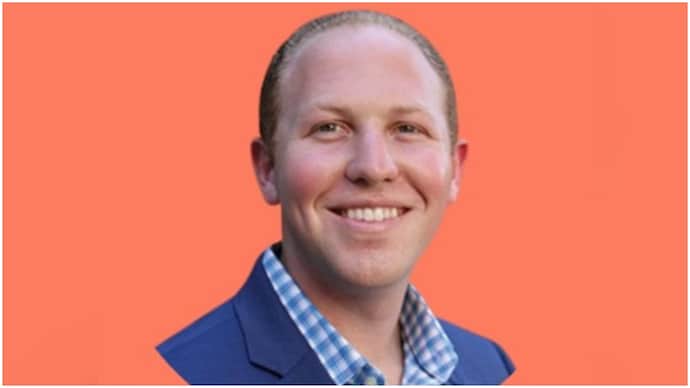
A New York-based CEO has triggered a discussion after saying he does not care where, when or how his employees work as long as they deliver results and keep clients happy.
Jared Kleinert, founder and CEO of Offsite, shared his leadership philosophy in a LinkedIn post, arguing that remote work is simply "a better way to work." He said he does not monitor employees' working hours, locations or break schedules, and instead focusses on performance, engagement and business outcomes.
"I don't care about how my team works, from where they work, if they start at 7 am, 9 am, or noon, if they take 15-minute breaks multiple times or one big lunch break, or if they schedule work around their hobbies, workouts or family time," he said.
Instead, Kleinert cares about whether the company is hitting its objectives and key results (OKRs), clients are satisfied, employees remain engaged and aligned, leadership communicates clearly, and the business generates strong returns on its investment in employees' work.
Summing up his approach, he wrote that leadership "isn't about an office, or managing time sheets." Instead, it is about creating an environment where people can do their best work, believe in the company's mission and serve customers effectively.
Several professionals reacted to the post, many of whom agreed that measuring productivity by outcomes is more effective than tracking attendance or office hours.
One person, however, pointed to a challenge of remote work, saying, "I've worked remote since 2015 and have always ran remote companies. One thing I always struggled with though, is how do you recreate those magic moments when you're in a conference room together white boarding and brainstorming unique ideas?"
A professional said the workplace model matters less than clear expectations, recalling a fully remote team spread across time zones that performed well because everyone understood their OKRs and responsibilities.
"One thing I've learnt is that remote teams don't need more management, they need better leadership. The managers who thrive are the ones who create alignment and autonomy at the same time, rather than trying to recreate office visibility through meetings,” a comment read.
Many companies still equate physical presence with productivity, a user said, adding: "Login hours, break durations, and whether someone is working from home often get more attention than actual impact. Results should speak louder than attendance."
To conclude, one of the users added, "Flexibility only works when expectations are crystal clear. The teams I've seen thrive remotely aren't successful because they're remote. They're successful because everyone knows what 'good' looks like and takes ownership of delivering it."
What is your take on this?
A New York-based CEO has triggered a discussion after saying he does not care where, when or how his employees work as long as they deliver results and keep clients happy.
Jared Kleinert, founder and CEO of Offsite, shared his leadership philosophy in a LinkedIn post, arguing that remote work is simply "a better way to work." He said he does not monitor employees' working hours, locations or break schedules, and instead focusses on performance, engagement and business outcomes.
"I don't care about how my team works, from where they work, if they start at 7 am, 9 am, or noon, if they take 15-minute breaks multiple times or one big lunch break, or if they schedule work around their hobbies, workouts or family time," he said.
Instead, Kleinert cares about whether the company is hitting its objectives and key results (OKRs), clients are satisfied, employees remain engaged and aligned, leadership communicates clearly, and the business generates strong returns on its investment in employees' work.
Summing up his approach, he wrote that leadership "isn't about an office, or managing time sheets." Instead, it is about creating an environment where people can do their best work, believe in the company's mission and serve customers effectively.
Several professionals reacted to the post, many of whom agreed that measuring productivity by outcomes is more effective than tracking attendance or office hours.
One person, however, pointed to a challenge of remote work, saying, "I've worked remote since 2015 and have always ran remote companies. One thing I always struggled with though, is how do you recreate those magic moments when you're in a conference room together white boarding and brainstorming unique ideas?"
A professional said the workplace model matters less than clear expectations, recalling a fully remote team spread across time zones that performed well because everyone understood their OKRs and responsibilities.
"One thing I've learnt is that remote teams don't need more management, they need better leadership. The managers who thrive are the ones who create alignment and autonomy at the same time, rather than trying to recreate office visibility through meetings,” a comment read.
Many companies still equate physical presence with productivity, a user said, adding: "Login hours, break durations, and whether someone is working from home often get more attention than actual impact. Results should speak louder than attendance."
To conclude, one of the users added, "Flexibility only works when expectations are crystal clear. The teams I've seen thrive remotely aren't successful because they're remote. They're successful because everyone knows what 'good' looks like and takes ownership of delivering it."
What is your take on this?

