US will hold Iran responsible: Trump's warning after Houthi attack on Saudi ships
Trump said the US would hold Iran responsible if the Houthis attack ships again. He called the Houthis an Iranian proxy and warned of major military punishment.
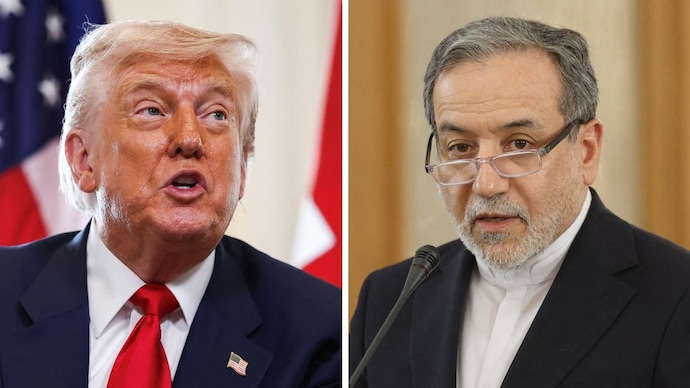
US President Donald Trump warned that the United States would hold Iran responsible if the Houthis carry out another attack on ships, following what he described as the shooting at two Saudi Arabian ships the previous night.
In a statement, Trump said the United States had launched a powerful attack against the Houthis a year ago in response to their interference with commerce and trade by shooting at ships.
"A year ago the United States of America attacked, very powerfully, the Houthis, for their interference with commerce and trade, by shooting at ships. Since that time, and during our conflict with Iran, they have acted very responsibly," Trump said.
However, Trump claimed the Houthis had resumed such actions, alleging that they had "started up again" by shooting at two Saudi Arabian ships the previous night.
"Unfortunately, now they are starting up again, shooting at two Saudi Arabian ships last night," he said.
Trump said his statement should serve as a warning that any future attacks by the Houthis would prompt the United States to hold Iran accountable.
"Please let this TRUTH serve to represent that if they do this again, the US will hold Iran responsible, in that the Houthis are a Surrogate and/or Proxy of Iran," Trump said.
He further warned that any repeat of such attacks would invite "major military punishment" against both Iran and the Houthis.
"Major military punishment will be inflicted upon Iran and, of course, the Houthis, themselves," Trump said.
Despite the warning, Trump said he was disappointed because, until now, the Houthis had "acted very professionally and smart."
"I am very disappointed with [the Houthis] in that they have, until now, acted very professionally and smart," Trump added.
HOUTHIS ATTACKED 2 SAUDI OIL TANKERS
The warning came as Iran-backed Houthi forces in Yemen said on Thursday that they had struck two Saudi oil tankers as part of what they described as a naval blockade on Saudi Arabia, raising concerns over a potential second chokepoint for global oil supplies alongside the Strait of Hormuz.
The Houthis, who control Yemen's Red Sea coast, said they had imposed a blockade on Saudi Arabia, which has diverted millions of barrels of oil per day by pipeline to the Red Sea to bypass disruptions linked to the Gulf.
In their first reported strikes since announcing the blockade, the Houthis said they carried out missile and drone attacks on two Saudi oil tankers, identifying the vessels as the Encelia and the Layla.
A maritime security source said the Encelia transmitted a distress call after reporting that a missile struck it near the Saudi Red Sea port of Jizan late on Wednesday. Saudi state news agency SPA said the strike caused a fire at the vessel's bow. Reuters could not immediately confirm the reported attack on the Layla.
The reported attacks raised concerns that Houthi operations against commercial shipping could effectively close the Bab el-Mandeb Strait, which connects the Red Sea to the Indian Ocean and serves as one of the world's most important maritime routes for energy supplies after the Strait of Hormuz.
Global oil prices rose sharply following the developments, with Brent crude futures climbing 4.80% to $98.59 a barrel by 0935 GMT on Thursday.
The developments unfolded amid escalating regional tensions. Two weeks after the effective collapse of an interim truce, the US military launched another nightly round of airstrikes on Iran. Iran, in turn, fired at neighbouring Arab countries that host US military bases.
US Secretary of State Marco Rubio said the cost for Iran would continue to rise until Tehran agreed to a peace deal.
"The price Iran pays will get higher every night until Tehran is ready for a peace deal it would live by," Rubio said at a diplomatic gathering in Southeast Asia.
He added, "Iran is begging (for a deal) every day. The problem with Iran is every time they make a deal ... they either break it or they want to change it. So now they're paying the price for it. And maybe they'll change their mind here over the next few days as they continue to suffer great losses."
Meanwhile, Iran said it attacked US missile systems, weapons and fuel storage sites in Jordan, as well as US military posts in Kuwait. Jordan's army said it intercepted four Iranian missiles and six drones over the past 24 hours, with one missile falling in an uninhabited area.
Iranian military spokesperson Brigadier General Mohammad Akraminia said Iran would continue retaliating as long as the United States attacked Iranian infrastructure and coastal areas.
The Houthis' reported attacks on Saudi tankers added to concerns that the conflict could widen further and place additional strain on global energy supplies and maritime trade routes.
US President Donald Trump warned that the United States would hold Iran responsible if the Houthis carry out another attack on ships, following what he described as the shooting at two Saudi Arabian ships the previous night.
In a statement, Trump said the United States had launched a powerful attack against the Houthis a year ago in response to their interference with commerce and trade by shooting at ships.
"A year ago the United States of America attacked, very powerfully, the Houthis, for their interference with commerce and trade, by shooting at ships. Since that time, and during our conflict with Iran, they have acted very responsibly," Trump said.
However, Trump claimed the Houthis had resumed such actions, alleging that they had "started up again" by shooting at two Saudi Arabian ships the previous night.
"Unfortunately, now they are starting up again, shooting at two Saudi Arabian ships last night," he said.
Trump said his statement should serve as a warning that any future attacks by the Houthis would prompt the United States to hold Iran accountable.
"Please let this TRUTH serve to represent that if they do this again, the US will hold Iran responsible, in that the Houthis are a Surrogate and/or Proxy of Iran," Trump said.
He further warned that any repeat of such attacks would invite "major military punishment" against both Iran and the Houthis.
"Major military punishment will be inflicted upon Iran and, of course, the Houthis, themselves," Trump said.
Despite the warning, Trump said he was disappointed because, until now, the Houthis had "acted very professionally and smart."
"I am very disappointed with [the Houthis] in that they have, until now, acted very professionally and smart," Trump added.
HOUTHIS ATTACKED 2 SAUDI OIL TANKERS
The warning came as Iran-backed Houthi forces in Yemen said on Thursday that they had struck two Saudi oil tankers as part of what they described as a naval blockade on Saudi Arabia, raising concerns over a potential second chokepoint for global oil supplies alongside the Strait of Hormuz.
The Houthis, who control Yemen's Red Sea coast, said they had imposed a blockade on Saudi Arabia, which has diverted millions of barrels of oil per day by pipeline to the Red Sea to bypass disruptions linked to the Gulf.
In their first reported strikes since announcing the blockade, the Houthis said they carried out missile and drone attacks on two Saudi oil tankers, identifying the vessels as the Encelia and the Layla.
A maritime security source said the Encelia transmitted a distress call after reporting that a missile struck it near the Saudi Red Sea port of Jizan late on Wednesday. Saudi state news agency SPA said the strike caused a fire at the vessel's bow. Reuters could not immediately confirm the reported attack on the Layla.
The reported attacks raised concerns that Houthi operations against commercial shipping could effectively close the Bab el-Mandeb Strait, which connects the Red Sea to the Indian Ocean and serves as one of the world's most important maritime routes for energy supplies after the Strait of Hormuz.
Global oil prices rose sharply following the developments, with Brent crude futures climbing 4.80% to $98.59 a barrel by 0935 GMT on Thursday.
The developments unfolded amid escalating regional tensions. Two weeks after the effective collapse of an interim truce, the US military launched another nightly round of airstrikes on Iran. Iran, in turn, fired at neighbouring Arab countries that host US military bases.
US Secretary of State Marco Rubio said the cost for Iran would continue to rise until Tehran agreed to a peace deal.
"The price Iran pays will get higher every night until Tehran is ready for a peace deal it would live by," Rubio said at a diplomatic gathering in Southeast Asia.
He added, "Iran is begging (for a deal) every day. The problem with Iran is every time they make a deal ... they either break it or they want to change it. So now they're paying the price for it. And maybe they'll change their mind here over the next few days as they continue to suffer great losses."
Meanwhile, Iran said it attacked US missile systems, weapons and fuel storage sites in Jordan, as well as US military posts in Kuwait. Jordan's army said it intercepted four Iranian missiles and six drones over the past 24 hours, with one missile falling in an uninhabited area.
Iranian military spokesperson Brigadier General Mohammad Akraminia said Iran would continue retaliating as long as the United States attacked Iranian infrastructure and coastal areas.
The Houthis' reported attacks on Saudi tankers added to concerns that the conflict could widen further and place additional strain on global energy supplies and maritime trade routes.
US President Donald Trump warned that the United States would hold Iran responsible if the Houthis carry out another attack on ships, following what he described as the shooting at two Saudi Arabian ships the previous night.
In a statement, Trump said the United States had launched a powerful attack against the Houthis a year ago in response to their interference with commerce and trade by shooting at ships.
"A year ago the United States of America attacked, very powerfully, the Houthis, for their interference with commerce and trade, by shooting at ships. Since that time, and during our conflict with Iran, they have acted very responsibly," Trump said.
However, Trump claimed the Houthis had resumed such actions, alleging that they had "started up again" by shooting at two Saudi Arabian ships the previous night.
"Unfortunately, now they are starting up again, shooting at two Saudi Arabian ships last night," he said.
Trump said his statement should serve as a warning that any future attacks by the Houthis would prompt the United States to hold Iran accountable.
"Please let this TRUTH serve to represent that if they do this again, the US will hold Iran responsible, in that the Houthis are a Surrogate and/or Proxy of Iran," Trump said.
He further warned that any repeat of such attacks would invite "major military punishment" against both Iran and the Houthis.
"Major military punishment will be inflicted upon Iran and, of course, the Houthis, themselves," Trump said.
Despite the warning, Trump said he was disappointed because, until now, the Houthis had "acted very professionally and smart."
"I am very disappointed with [the Houthis] in that they have, until now, acted very professionally and smart," Trump added.
HOUTHIS ATTACKED 2 SAUDI OIL TANKERS
The warning came as Iran-backed Houthi forces in Yemen said on Thursday that they had struck two Saudi oil tankers as part of what they described as a naval blockade on Saudi Arabia, raising concerns over a potential second chokepoint for global oil supplies alongside the Strait of Hormuz.
The Houthis, who control Yemen's Red Sea coast, said they had imposed a blockade on Saudi Arabia, which has diverted millions of barrels of oil per day by pipeline to the Red Sea to bypass disruptions linked to the Gulf.
In their first reported strikes since announcing the blockade, the Houthis said they carried out missile and drone attacks on two Saudi oil tankers, identifying the vessels as the Encelia and the Layla.
A maritime security source said the Encelia transmitted a distress call after reporting that a missile struck it near the Saudi Red Sea port of Jizan late on Wednesday. Saudi state news agency SPA said the strike caused a fire at the vessel's bow. Reuters could not immediately confirm the reported attack on the Layla.
The reported attacks raised concerns that Houthi operations against commercial shipping could effectively close the Bab el-Mandeb Strait, which connects the Red Sea to the Indian Ocean and serves as one of the world's most important maritime routes for energy supplies after the Strait of Hormuz.
Global oil prices rose sharply following the developments, with Brent crude futures climbing 4.80% to $98.59 a barrel by 0935 GMT on Thursday.
The developments unfolded amid escalating regional tensions. Two weeks after the effective collapse of an interim truce, the US military launched another nightly round of airstrikes on Iran. Iran, in turn, fired at neighbouring Arab countries that host US military bases.
US Secretary of State Marco Rubio said the cost for Iran would continue to rise until Tehran agreed to a peace deal.
"The price Iran pays will get higher every night until Tehran is ready for a peace deal it would live by," Rubio said at a diplomatic gathering in Southeast Asia.
He added, "Iran is begging (for a deal) every day. The problem with Iran is every time they make a deal ... they either break it or they want to change it. So now they're paying the price for it. And maybe they'll change their mind here over the next few days as they continue to suffer great losses."
Meanwhile, Iran said it attacked US missile systems, weapons and fuel storage sites in Jordan, as well as US military posts in Kuwait. Jordan's army said it intercepted four Iranian missiles and six drones over the past 24 hours, with one missile falling in an uninhabited area.
Iranian military spokesperson Brigadier General Mohammad Akraminia said Iran would continue retaliating as long as the United States attacked Iranian infrastructure and coastal areas.
The Houthis' reported attacks on Saudi tankers added to concerns that the conflict could widen further and place additional strain on global energy supplies and maritime trade routes.

