How murder by a drunken prince made Saudi Arabia go dry for 70 years
The death of Saudi prince Abdullah bin Fahad from a cocktail of alcohol and drugs in a London hotel has shocked the world. Over 70 years ago, a murder committed by a Saudi prince after a night of drunken revelry made Saudi Arabia adopt one of the toughest prohibition laws in the world.
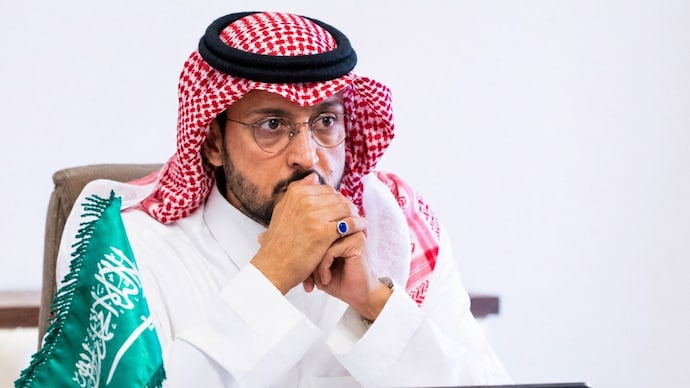
A Saudi prince who was found dead in a luxury London hotel in November died after consuming a fatal combination of alcohol, party drugs and prescription medicines, the coroner's report said on Thursday. Prince Abdullah bin Fahad bin Abdullah bin Abdulaziz bin Jalawi Al Saud is from the Kingdom of Saudi Arabia, a country where the sale of and consumption of alcohol is explicitly banned with limited exceptions. Yet there was once a time when the consumption of alcohol was legal in Saudi Arabia. That was until a drunken prince's actions changed everything.
As of 2026, the Islamic kingdom permits only limited alcohol sales, and that too, to non-Muslim diplomats under a tightly regulated system. For Saudi citizens, alcohol remains illegal, leaving those who choose to drink with few options beyond the country's black market or travelling abroad.
The case of Prince Abdullah bin Fahad, who died after having a cocktail of alcohol and drugs, highlights the lifestyle of Saudi royals.
Although Islam explicitly forbids the consumption of alcohol, its sale and consumption were legal in Saudi Arabia over 70 years ago.
That changed dramatically in the early 1950s after a Saudi prince, who, like Abdullah bin Fahad, became intoxicated following a prolonged drinking spree. In that case, the prince didn't die, but ended up shooting dead a diplomat in an incident that would reshape the kingdom's alcohol policy.
HOW A DRUNKEN MURDER LED TO SAUDI ARABIA BANNING ALCOHOL?
The episode unfolded on November 16, 1951, during the reign of Saudi Arabia's founder, King Abdulaziz bin Abdul Rahman Al Saud, better known as Ibn Saud.
One of Ibn Saud's sons, Prince Mishari bin Abdulaziz Al Saud, arrived at the residence of Cyril Ousman, the British vice-consul in Jeddah. Ousman had lived in the kingdom since 1929, initially working as an engineer before joining the British consulate.
According to a 1952 report by Time magazine, Prince Mishari became heavily intoxicated during the gathering at Ousman's home and began making unwanted advances towards an English woman who was among the guests. Ousman intervened and ordered the prince to leave the residence.
The following day, still reportedly drunk and enraged, Mishari returned demanding that the woman be handed over to him. When Ousman again attempted to eject him from the house, the prince drew a pistol and opened fire. Ousman was killed instantly, while his wife was wounded in the shooting.
According to Time magazine, King Abdulaziz was furious upon learning of the killing and ordered the immediate arrest of his son.
The magazine reported that he initially offered Ousman's widow the right to choose the prince's method of execution, even suggesting that his head would be displayed outside the British Embassy. She reportedly declined the offer, instead accepting 70,000 US dollars (or about 9 crore rupees after accounting for inflation) in compensation.
Time further reported that the king later commuted Prince Mishari's punishment to life imprisonment along with 20 lashes a month, concluding that the greater blame lay with the foreigners who had introduced the prince to alcohol.
Soon afterwards, King Abdulaziz issued a royal decree banning the import of all alcoholic beverages into Saudi Arabia, laying the foundation for the kingdom's decades-long prohibition. Mishari, for his part, was released during the reign of King Saud, who succeeded King Abdulaziz after the latter's death in November 1953.
The prohibition remained rigidly enforced for decades. Saudi citizens caught with alcohol faced prison terms, flogging and, in earlier years, public lashings, while expatriates risked deportation.
Predictably, the ban also spawned an underground alcohol trade. According to Time Magazine, one common route involved foreign diplomats bringing liquor into the kingdom in diplomatic pouches, which are exempt from routine customs inspections under diplomatic privilege. Those in Saudi with the means could simply go abroad to quench their thirst, including in the neighbouring United Arab Emirates (UAE), which allows the sale of consumption of alcohol in licensed establishments.
More than seven decades after imposing a total ban, Saudi Arabia in 2024 opened its first alcohol store in Riyadh. However, access remains tightly restricted to non-Muslim diplomats, who must register with the government and adhere to monthly purchase quotas. And in 2025, Prince Khalid bin Bandar Al Saud stated that alcohol would be sold in hotels in the kingdom during the 2034 FIFA World Cup. So, the strict prohibition for 70 years, which was the result of a drunken murder by a Saudi prince, might finally be watered down.
A Saudi prince who was found dead in a luxury London hotel in November died after consuming a fatal combination of alcohol, party drugs and prescription medicines, the coroner's report said on Thursday. Prince Abdullah bin Fahad bin Abdullah bin Abdulaziz bin Jalawi Al Saud is from the Kingdom of Saudi Arabia, a country where the sale of and consumption of alcohol is explicitly banned with limited exceptions. Yet there was once a time when the consumption of alcohol was legal in Saudi Arabia. That was until a drunken prince's actions changed everything.
As of 2026, the Islamic kingdom permits only limited alcohol sales, and that too, to non-Muslim diplomats under a tightly regulated system. For Saudi citizens, alcohol remains illegal, leaving those who choose to drink with few options beyond the country's black market or travelling abroad.
The case of Prince Abdullah bin Fahad, who died after having a cocktail of alcohol and drugs, highlights the lifestyle of Saudi royals.
Although Islam explicitly forbids the consumption of alcohol, its sale and consumption were legal in Saudi Arabia over 70 years ago.
That changed dramatically in the early 1950s after a Saudi prince, who, like Abdullah bin Fahad, became intoxicated following a prolonged drinking spree. In that case, the prince didn't die, but ended up shooting dead a diplomat in an incident that would reshape the kingdom's alcohol policy.
HOW A DRUNKEN MURDER LED TO SAUDI ARABIA BANNING ALCOHOL?
The episode unfolded on November 16, 1951, during the reign of Saudi Arabia's founder, King Abdulaziz bin Abdul Rahman Al Saud, better known as Ibn Saud.
One of Ibn Saud's sons, Prince Mishari bin Abdulaziz Al Saud, arrived at the residence of Cyril Ousman, the British vice-consul in Jeddah. Ousman had lived in the kingdom since 1929, initially working as an engineer before joining the British consulate.
According to a 1952 report by Time magazine, Prince Mishari became heavily intoxicated during the gathering at Ousman's home and began making unwanted advances towards an English woman who was among the guests. Ousman intervened and ordered the prince to leave the residence.
The following day, still reportedly drunk and enraged, Mishari returned demanding that the woman be handed over to him. When Ousman again attempted to eject him from the house, the prince drew a pistol and opened fire. Ousman was killed instantly, while his wife was wounded in the shooting.
According to Time magazine, King Abdulaziz was furious upon learning of the killing and ordered the immediate arrest of his son.
The magazine reported that he initially offered Ousman's widow the right to choose the prince's method of execution, even suggesting that his head would be displayed outside the British Embassy. She reportedly declined the offer, instead accepting 70,000 US dollars (or about 9 crore rupees after accounting for inflation) in compensation.
Time further reported that the king later commuted Prince Mishari's punishment to life imprisonment along with 20 lashes a month, concluding that the greater blame lay with the foreigners who had introduced the prince to alcohol.
Soon afterwards, King Abdulaziz issued a royal decree banning the import of all alcoholic beverages into Saudi Arabia, laying the foundation for the kingdom's decades-long prohibition. Mishari, for his part, was released during the reign of King Saud, who succeeded King Abdulaziz after the latter's death in November 1953.
The prohibition remained rigidly enforced for decades. Saudi citizens caught with alcohol faced prison terms, flogging and, in earlier years, public lashings, while expatriates risked deportation.
Predictably, the ban also spawned an underground alcohol trade. According to Time Magazine, one common route involved foreign diplomats bringing liquor into the kingdom in diplomatic pouches, which are exempt from routine customs inspections under diplomatic privilege. Those in Saudi with the means could simply go abroad to quench their thirst, including in the neighbouring United Arab Emirates (UAE), which allows the sale of consumption of alcohol in licensed establishments.
More than seven decades after imposing a total ban, Saudi Arabia in 2024 opened its first alcohol store in Riyadh. However, access remains tightly restricted to non-Muslim diplomats, who must register with the government and adhere to monthly purchase quotas. And in 2025, Prince Khalid bin Bandar Al Saud stated that alcohol would be sold in hotels in the kingdom during the 2034 FIFA World Cup. So, the strict prohibition for 70 years, which was the result of a drunken murder by a Saudi prince, might finally be watered down.
A Saudi prince who was found dead in a luxury London hotel in November died after consuming a fatal combination of alcohol, party drugs and prescription medicines, the coroner's report said on Thursday. Prince Abdullah bin Fahad bin Abdullah bin Abdulaziz bin Jalawi Al Saud is from the Kingdom of Saudi Arabia, a country where the sale of and consumption of alcohol is explicitly banned with limited exceptions. Yet there was once a time when the consumption of alcohol was legal in Saudi Arabia. That was until a drunken prince's actions changed everything.
As of 2026, the Islamic kingdom permits only limited alcohol sales, and that too, to non-Muslim diplomats under a tightly regulated system. For Saudi citizens, alcohol remains illegal, leaving those who choose to drink with few options beyond the country's black market or travelling abroad.
The case of Prince Abdullah bin Fahad, who died after having a cocktail of alcohol and drugs, highlights the lifestyle of Saudi royals.
Although Islam explicitly forbids the consumption of alcohol, its sale and consumption were legal in Saudi Arabia over 70 years ago.
That changed dramatically in the early 1950s after a Saudi prince, who, like Abdullah bin Fahad, became intoxicated following a prolonged drinking spree. In that case, the prince didn't die, but ended up shooting dead a diplomat in an incident that would reshape the kingdom's alcohol policy.
HOW A DRUNKEN MURDER LED TO SAUDI ARABIA BANNING ALCOHOL?
The episode unfolded on November 16, 1951, during the reign of Saudi Arabia's founder, King Abdulaziz bin Abdul Rahman Al Saud, better known as Ibn Saud.
One of Ibn Saud's sons, Prince Mishari bin Abdulaziz Al Saud, arrived at the residence of Cyril Ousman, the British vice-consul in Jeddah. Ousman had lived in the kingdom since 1929, initially working as an engineer before joining the British consulate.
According to a 1952 report by Time magazine, Prince Mishari became heavily intoxicated during the gathering at Ousman's home and began making unwanted advances towards an English woman who was among the guests. Ousman intervened and ordered the prince to leave the residence.
The following day, still reportedly drunk and enraged, Mishari returned demanding that the woman be handed over to him. When Ousman again attempted to eject him from the house, the prince drew a pistol and opened fire. Ousman was killed instantly, while his wife was wounded in the shooting.
According to Time magazine, King Abdulaziz was furious upon learning of the killing and ordered the immediate arrest of his son.
The magazine reported that he initially offered Ousman's widow the right to choose the prince's method of execution, even suggesting that his head would be displayed outside the British Embassy. She reportedly declined the offer, instead accepting 70,000 US dollars (or about 9 crore rupees after accounting for inflation) in compensation.
Time further reported that the king later commuted Prince Mishari's punishment to life imprisonment along with 20 lashes a month, concluding that the greater blame lay with the foreigners who had introduced the prince to alcohol.
Soon afterwards, King Abdulaziz issued a royal decree banning the import of all alcoholic beverages into Saudi Arabia, laying the foundation for the kingdom's decades-long prohibition. Mishari, for his part, was released during the reign of King Saud, who succeeded King Abdulaziz after the latter's death in November 1953.
The prohibition remained rigidly enforced for decades. Saudi citizens caught with alcohol faced prison terms, flogging and, in earlier years, public lashings, while expatriates risked deportation.
Predictably, the ban also spawned an underground alcohol trade. According to Time Magazine, one common route involved foreign diplomats bringing liquor into the kingdom in diplomatic pouches, which are exempt from routine customs inspections under diplomatic privilege. Those in Saudi with the means could simply go abroad to quench their thirst, including in the neighbouring United Arab Emirates (UAE), which allows the sale of consumption of alcohol in licensed establishments.
More than seven decades after imposing a total ban, Saudi Arabia in 2024 opened its first alcohol store in Riyadh. However, access remains tightly restricted to non-Muslim diplomats, who must register with the government and adhere to monthly purchase quotas. And in 2025, Prince Khalid bin Bandar Al Saud stated that alcohol would be sold in hotels in the kingdom during the 2034 FIFA World Cup. So, the strict prohibition for 70 years, which was the result of a drunken murder by a Saudi prince, might finally be watered down.

