As Hormuz closes, we track Indian vessels navigating two blockades
With safe passage through Hormuz again in doubt, an India Today review found at least 20 Indian-flagged vessels, including the LPG carrier Nanda Devi and eight oil tankers caught between US and Iranian blockades.
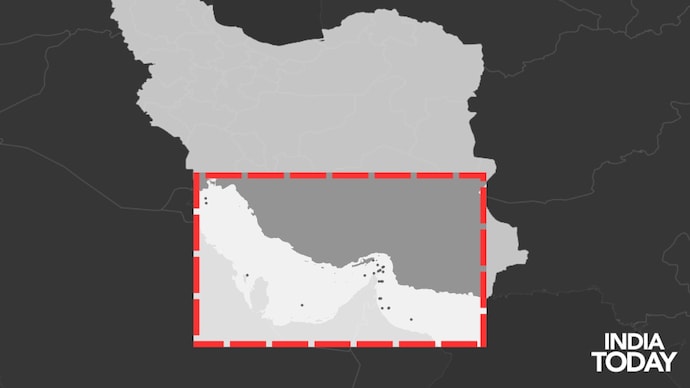
With safe passage through Hormuz again in doubt, an India Today review found at least 20 Indian-flagged vessels, including the LPG carrier Nanda Devi and eight oil tankers caught between US and Iranian blockades.
More than four months after the war began, ships approaching the Strait of Hormuz are once again confronting the question that has shadowed the conflict from its first days: who can guarantee them safe passage through the waterway and at what price?
President Donald Trump said on Monday that the United States would take responsibility for securing the strait and proposed charging 20 per cent of the value of cargo moving through it to cover the cost. He called the United States the “guardian” of Hormuz, but offered few details about how the charge would be calculated, collected or enforced.
Iranian Foreign Minister Abbas Araghchi responded by asserting that Tehran, not Washington, remained the guardian of the strait. Referring to Trump’s proposed charge, he wrote on X: “20% is of course too much. We will be fair.”
Behind the exchange was a more immediate reality at sea. Tanker traffic through Hormuz fell on Monday to its lowest level since May 25, according to Kpler data reviewed by Reuters. Only six vessels were recorded transiting the strait on Sunday, although the true number may have been higher because ships increasingly switch off their public AIS transponders while crossing the waterway.
An analysis of AIS data by India Today’s Open Source Intelligence(OSINT) team identified at least 20 Indian-flagged vessels whose latest signals placed them in the Persian Gulf and around the Strait of Hormuz, caught in waters increasingly constrained by both US and Iranian blockades.
The group included six bulk carriers and four container ships. Eight were tankers: five crude-oil carriers, one LPG carrier, one oil-products tanker and one chemical-and-products tanker. The remaining vessels were a hopper dredger and an anchor-handling tug.
Nanda Devi, the only LPG carrier last seen in the zone, was headed towards Ras Laffan in Qatar. In the AIS dataset reviewed by India Today, its last signal recorded at 11:30 p.m. IST on July 12 positioned it near Iran’s Qeshm Island. Public tracking services also listed Ras Laffan as its destination, but the vessel’s position was not updated thereafter.
Eight ships were inside the Persian Gulf, while 11 were concentrated around Hormuz and the UAE-Oman approaches.
Energy vessels formed the largest single cluster. Nanda Devi, Cangjie, Desh Vishal, Desh Viraat, Lila Vadinar and Sanmar Shehnai were last recorded in or close to the Hormuz corridor. Two other tankers, Sanmar Suparna and Jag Pavitra, were deeper inside the Gulf.
According to US Central Command, the renewed blockade will take effect at 1:30 a.m. IST on July 15 or 2000 GMT on July 14. It will apply to vessels entering or leaving Iranian ports and coastal areas, while ships transiting the strait to non-Iranian destinations will not be restricted.
That distinction is important for Indian ships. A vessel merely transiting Hormuz towards Qatar, Kuwait, Saudi Arabia or the UAE would not automatically fall under the stated blockade. But it could still face delays, inspections or the risk of attack while moving through waters contested by the two sides.
INDIAN SAILORS IN THE LINE OF FIRE
The apparent danger became clearer again on July 14, when the UAE said Iranian cruise missiles struck the tankers Mombasa B and Al Bahyah in the southern lane of the strait, inside Omani territorial waters.
One Indian sailor aboard Mombasa B was killed. Eight crew members were wounded across the two ships, including six Indians and two Ukrainians; four of the injuries were described as serious. The vessels suffered significant damage and fires, which were later brought under control.
India’s Ministry of External Affairs said the two tankers carried a combined crew of 46, including 30 Indian nationals. New Delhi summoned the Iranian deputy chief of mission and lodged a formal protest over the attacks.
India Today’s review found at least 24 reported attacks involving vessels carrying Indian sailors, Indian-flagged ships. While most were attributed to Iranian forces, only three involved US blockade-enforcement operations.
Ten of the 24 incidents occurred in March, during the first intense phase of the war. But the attacks have continued till date. Since February 28, at least seven Indian seafarers have been confirmed killed aboard five ships: Skylight, MKD Vyom, Safesea Vishnu, Settebello and Mombasa B. Three of those deaths occurred aboard Settebello during a US blockade-enforcement operation in June.
Two other Indian sailors remain missing. One disappeared after the March 1 attack on Skylight. The other was serving aboard GFS Galaxy, which was struck off Oman on July 12; 10 of its 11 Indian crew members were rescued.
At least seven Indians have also been confirmed injured, one aboard LCT Ayeh in March and six in the attacks on Mombasa B and Al Bahyah. The full number may be higher because the nationalities of injured crew members were not disclosed in every incident.
The Strait of Hormuz has not stopped functioning altogether. Ships are still passing through, some with their tracking systems switched off and others under closely managed arrangements. But the traffic data, the renewed blockade and the expanding list of damaged vessels show that the passage is once again becoming slower, less predictable and more dangerous.
Two distinct routes have emerged for vessels transiting the strait: a southern corridor hugging the Omani coastline, and the northern route through Iranian waters.
The US military have tried to establish the southern route to keep shipping outside Iranian control. On the other side, Iran has sought to designate the northern route as the only sanctioned path, saying that transits require permission from an Iranian entity, a claim that Washington rejects.
With safe passage through Hormuz again in doubt, an India Today review found at least 20 Indian-flagged vessels, including the LPG carrier Nanda Devi and eight oil tankers caught between US and Iranian blockades.
More than four months after the war began, ships approaching the Strait of Hormuz are once again confronting the question that has shadowed the conflict from its first days: who can guarantee them safe passage through the waterway and at what price?
President Donald Trump said on Monday that the United States would take responsibility for securing the strait and proposed charging 20 per cent of the value of cargo moving through it to cover the cost. He called the United States the “guardian” of Hormuz, but offered few details about how the charge would be calculated, collected or enforced.
Iranian Foreign Minister Abbas Araghchi responded by asserting that Tehran, not Washington, remained the guardian of the strait. Referring to Trump’s proposed charge, he wrote on X: “20% is of course too much. We will be fair.”
Behind the exchange was a more immediate reality at sea. Tanker traffic through Hormuz fell on Monday to its lowest level since May 25, according to Kpler data reviewed by Reuters. Only six vessels were recorded transiting the strait on Sunday, although the true number may have been higher because ships increasingly switch off their public AIS transponders while crossing the waterway.
An analysis of AIS data by India Today’s Open Source Intelligence(OSINT) team identified at least 20 Indian-flagged vessels whose latest signals placed them in the Persian Gulf and around the Strait of Hormuz, caught in waters increasingly constrained by both US and Iranian blockades.
The group included six bulk carriers and four container ships. Eight were tankers: five crude-oil carriers, one LPG carrier, one oil-products tanker and one chemical-and-products tanker. The remaining vessels were a hopper dredger and an anchor-handling tug.
Nanda Devi, the only LPG carrier last seen in the zone, was headed towards Ras Laffan in Qatar. In the AIS dataset reviewed by India Today, its last signal recorded at 11:30 p.m. IST on July 12 positioned it near Iran’s Qeshm Island. Public tracking services also listed Ras Laffan as its destination, but the vessel’s position was not updated thereafter.
Eight ships were inside the Persian Gulf, while 11 were concentrated around Hormuz and the UAE-Oman approaches.
Energy vessels formed the largest single cluster. Nanda Devi, Cangjie, Desh Vishal, Desh Viraat, Lila Vadinar and Sanmar Shehnai were last recorded in or close to the Hormuz corridor. Two other tankers, Sanmar Suparna and Jag Pavitra, were deeper inside the Gulf.
According to US Central Command, the renewed blockade will take effect at 1:30 a.m. IST on July 15 or 2000 GMT on July 14. It will apply to vessels entering or leaving Iranian ports and coastal areas, while ships transiting the strait to non-Iranian destinations will not be restricted.
That distinction is important for Indian ships. A vessel merely transiting Hormuz towards Qatar, Kuwait, Saudi Arabia or the UAE would not automatically fall under the stated blockade. But it could still face delays, inspections or the risk of attack while moving through waters contested by the two sides.
INDIAN SAILORS IN THE LINE OF FIRE
The apparent danger became clearer again on July 14, when the UAE said Iranian cruise missiles struck the tankers Mombasa B and Al Bahyah in the southern lane of the strait, inside Omani territorial waters.
One Indian sailor aboard Mombasa B was killed. Eight crew members were wounded across the two ships, including six Indians and two Ukrainians; four of the injuries were described as serious. The vessels suffered significant damage and fires, which were later brought under control.
India’s Ministry of External Affairs said the two tankers carried a combined crew of 46, including 30 Indian nationals. New Delhi summoned the Iranian deputy chief of mission and lodged a formal protest over the attacks.
India Today’s review found at least 24 reported attacks involving vessels carrying Indian sailors, Indian-flagged ships. While most were attributed to Iranian forces, only three involved US blockade-enforcement operations.
Ten of the 24 incidents occurred in March, during the first intense phase of the war. But the attacks have continued till date. Since February 28, at least seven Indian seafarers have been confirmed killed aboard five ships: Skylight, MKD Vyom, Safesea Vishnu, Settebello and Mombasa B. Three of those deaths occurred aboard Settebello during a US blockade-enforcement operation in June.
Two other Indian sailors remain missing. One disappeared after the March 1 attack on Skylight. The other was serving aboard GFS Galaxy, which was struck off Oman on July 12; 10 of its 11 Indian crew members were rescued.
At least seven Indians have also been confirmed injured, one aboard LCT Ayeh in March and six in the attacks on Mombasa B and Al Bahyah. The full number may be higher because the nationalities of injured crew members were not disclosed in every incident.
The Strait of Hormuz has not stopped functioning altogether. Ships are still passing through, some with their tracking systems switched off and others under closely managed arrangements. But the traffic data, the renewed blockade and the expanding list of damaged vessels show that the passage is once again becoming slower, less predictable and more dangerous.
Two distinct routes have emerged for vessels transiting the strait: a southern corridor hugging the Omani coastline, and the northern route through Iranian waters.
The US military have tried to establish the southern route to keep shipping outside Iranian control. On the other side, Iran has sought to designate the northern route as the only sanctioned path, saying that transits require permission from an Iranian entity, a claim that Washington rejects.

