
Kota Factory to Aspirants: OTT saw India's education crisis coming before Bollywood
As students protest examination irregularities at Jantar Mantar, OTT dramas on education feel newly urgent. Their stories echo the pressure, uncertainty and exhaustion many young aspirants say they live with.
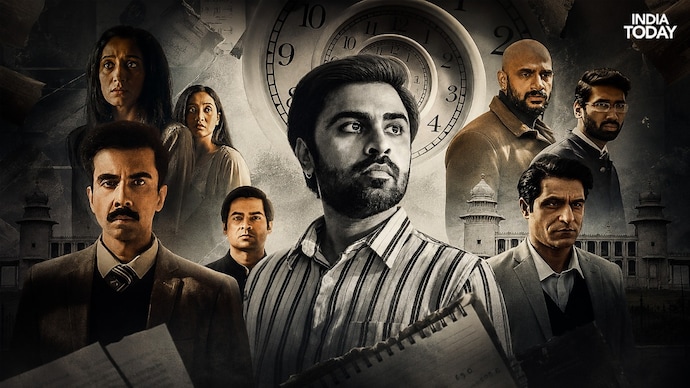

For years, mainstream Hindi cinema has largely presented student life through college romance, campus friendships and coming-of-age stories. In contrast, OTT platforms have more consistently explored the realities of India’s education system. These include intense competition, coaching culture, entrance exam irregularities, mental health struggles and parental pressure.
That contrast has gained renewed attention as thousands of students gather at Jantar Mantar to protest against NEET examination irregularities. Long before the demonstrations, several streaming shows focussed on the silent battles taking place in classrooms, coaching centres and hostels, making those fictional narratives feel especially close to the present moment.
Among the most influential was Kota Factory on Netflix, which turned coaching culture into a wider national conversation. Rather than relying on larger-than-life heroes or glamorous campuses, the series followed students trying to survive Kota's relentless race for IIT seats. Protagonist Vaibhav Pandey’s anxiety reflected the experience of many entrance exam aspirants. Meanwhile, Jeetu Bhaiya emerged as the mentor many tired students wished they had.
If Kota Factory captured the pressure of engineering entrance exams, Prime Video's Laakhon Mein Ek took a darker route by questioning whether engineering aspirations truly belonged to the students themselves. It examined parental expectations, loneliness and the emotional cost of chasing ambitions shaped by someone else. Crash Course, on the other hand, turned its attention to the coaching industry itself. It exposed the business built around education and showed how rivalry between institutes often leaves students caught in the middle.
The conversation around access to education found another perspective in Physics Wallah, inspired by educator Alakh Pandey's journey. Streaming on Amazon MX Player, the series presented the growing demand for affordable education. It challenged the belief that quality learning should remain limited to those who can afford expensive coaching.
Student life, however, extends far beyond coaching centres and entrance exams.
Operation MBBS on Sony LIV explored the realities of medical education. It portrayed medical college not as a badge of prestige but as a space where young students grapple with academic pressure, self-doubt, family expectations and emotional burnout. Engineering Girls on ZEE5 shifted the focus to women in engineering colleges, balancing academics, friendships, placements and everyday sexism without reducing them to stereotypes.
Meanwhile, Aspirants on Prime Video turned to the UPSC journey and showed that years of preparation offer no guarantee of success. More than a story about becoming an IAS officer, the series examined friendships under strain, changing ambitions and the difficult process of learning to live with failure.
Hindi cinema has addressed education in films such as 3 Idiots, Super 30 and 12th Fail, but these remain exceptions. More often, student life in mainstream films serves as a backdrop for romance or comedy, while the daily realities of exam pressure, mental health, coaching culture and institutional failure receive limited sustained attention.
OTT platforms changed that by allowing longer storytelling and giving writers room to explore failure, anxiety and uncertainty without relying on dramatic heroes or perfect endings.
As the scenes at Jantar Mantar continue, many of the OTT stories centred on students now appear closer to social documents than fiction. Students sleeping on roads, parents travelling across states to support their children and young people demanding answers rather than shortcuts reflect emotions that these shows had already captured: the fear of losing years of hard work, the pressure to succeed and the feeling of going unheard.
The protests may fade, and the political conversation may change. Yet, the questions raised by the demonstrators and these streaming series continue to reflect an education system that keeps asking young Indians to prove they deserve a future.